
Candy is a favorite treat for kids and adults, but not all candies are safe, healthy, or halal. Many commercial candies contain ingredients that may be harmful, non-halal, or allergenic. Being aware of these ingredients helps parents make better choices for their children while keeping snacks fun, safe, and halal.
At Halal Edible, we provide a comprehensive guide on candy ingredients to avoid, why they matter, and how to choose safer alternatives for kids and families.
Why Checking Candy Ingredients Matters
1. Halal Compliance
Some candies contain non-halal gelatin, alcohol-based flavors, or enzymes. Avoiding these ensures that all treats comply with Islamic dietary laws.
2. Health Considerations
Candy often contains ingredients linked to:
- Tooth decay
- Sugar spikes and crashes
- Allergic reactions
- Unhealthy weight gain
3. Allergy Awareness
Many candies include nuts, soy, or dairy, which may trigger allergies in children. Reading labels carefully protects kids from serious reactions.
4. Avoiding Artificial Additives
Some artificial colors, flavors, and preservatives may have health implications, especially for children prone to hyperactivity or sensitivities.
Common Candy Ingredients to Avoid
1. Non-Halal Gelatin
- Derived from pork or non-halal slaughtered animals
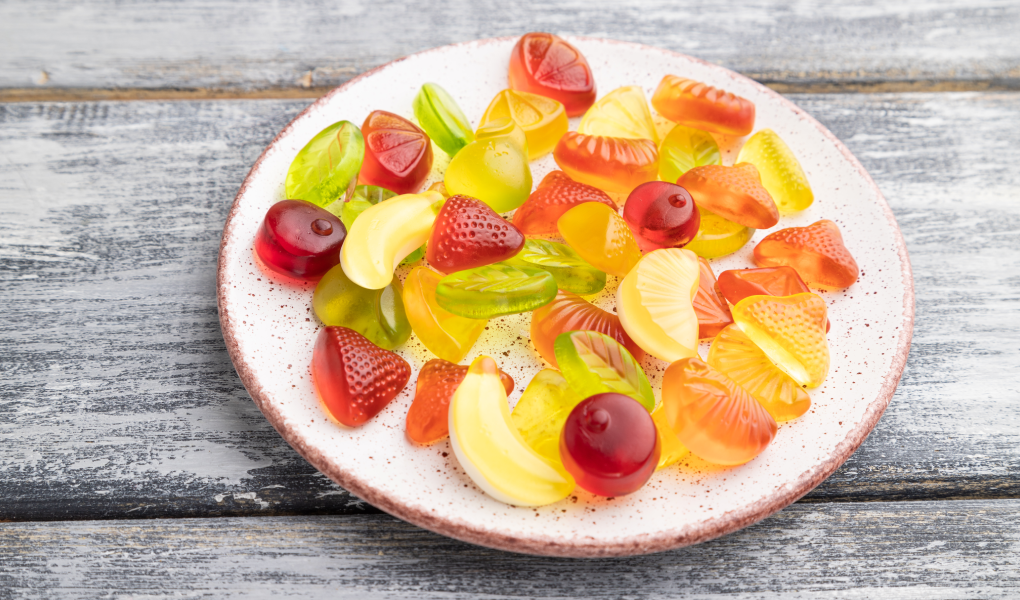
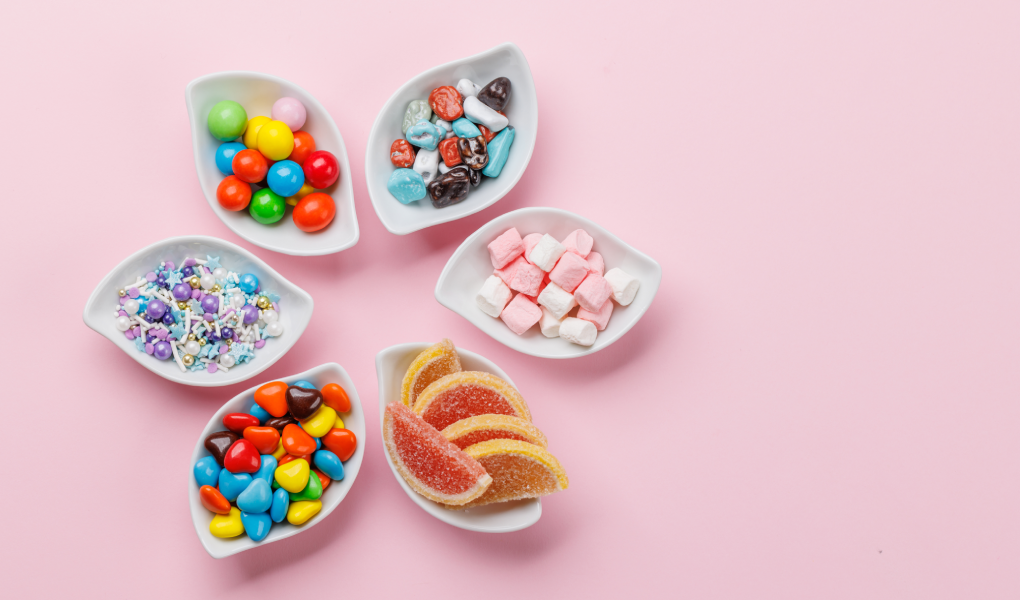
- Often used in gummies, marshmallows, and jelly candies
- Alternatives: Halal-certified gelatin, agar-agar, or pectin
2. Alcohol-Based Flavorings
- Found in some liqueur chocolates, candies, or flavor extracts
- May include vanilla extract or other natural flavors containing alcohol
- Alternatives: Alcohol-free flavor extracts or natural fruit flavors
3. Artificial Colors
- Examples: Red 40, Yellow 5, Blue 1
- Linked to hyperactivity and allergic reactions in some children
- Alternatives: Natural colors from beetroot, turmeric, spinach, or berries
4. High Fructose Corn Syrup (HFCS)
- Highly processed sweetener linked to obesity and insulin resistance
- Common in chewy candies, sodas, and gummies
- Alternatives: Natural sweeteners like honey, maple syrup, or fruit juice
5. Trans Fats and Hydrogenated Oils
- Often found in cheap chocolate coatings, chocolate bars, or candy spreads
- Linked to heart disease and inflammation
- Alternatives: Use chocolates with cocoa butter or healthy oils
6. Artificial Preservatives
- Examples: BHA, BHT, sodium benzoate
- Used to prolong shelf life, may impact health over time
- Alternatives: Fresh or homemade candy without preservatives
7. Non-Halal Enzymes or Dairy
- Some chocolates or caramel candies may contain rennet from non-halal sources or non-halal milk derivatives
- Alternatives: Halal-certified chocolate, dairy, and caramel
8. Excess Sugar
- Overconsumption contributes to cavities, obesity, and sugar crashes
- Many candies contain refined sugar or HFCS
- Alternatives: Low sugar, stevia-sweetened, or fruit-based candies
Tips for Choosing Safe and Halal Candy
- Check Halal Certification: Look for a trusted halal logo or certificate.
- Read Labels Carefully: Always check for gelatin, alcohol, artificial colors, and allergens.
- Prefer Natural Ingredients: Choose candies with fruit, nuts, seeds, or natural flavorings.
- Moderation is Key: Even safe candies should be eaten in moderation.
- DIY Options: Homemade candy allows control over ingredients and sweetness levels.
Safe Alternatives to Common Candy Ingredients
| Ingredient to Avoid | Health Concern | Safe Halal Alternatives |
|---|---|---|
| Non-halal gelatin | Halal compliance | Agar-agar, pectin, halal-certified gelatin |
| Alcohol-based flavorings | Halal compliance | Fruit extracts, alcohol-free vanilla, natural flavors |
| Artificial colors | Hyperactivity, allergies | Natural colors from beet, turmeric, spinach, berries |
| High sugar / HFCS | Obesity, cavities | Stevia, honey, maple syrup, fruit puree |
| Trans fats / hydrogenated oils | Heart disease | Cocoa butter, coconut oil, healthy oils |
| Artificial preservatives | Health risks | Homemade or minimally processed candy |
DIY Halal and Healthy Candy Ideas
1. Fruit Gummies
- Ingredients: Fruit juice, agar-agar, honey
- Naturally sweet and free from artificial colors or flavors
2. Chocolate-Covered Dates
- Dates stuffed with halal chocolate or nuts
- Combines natural sweetness, fiber, and protein
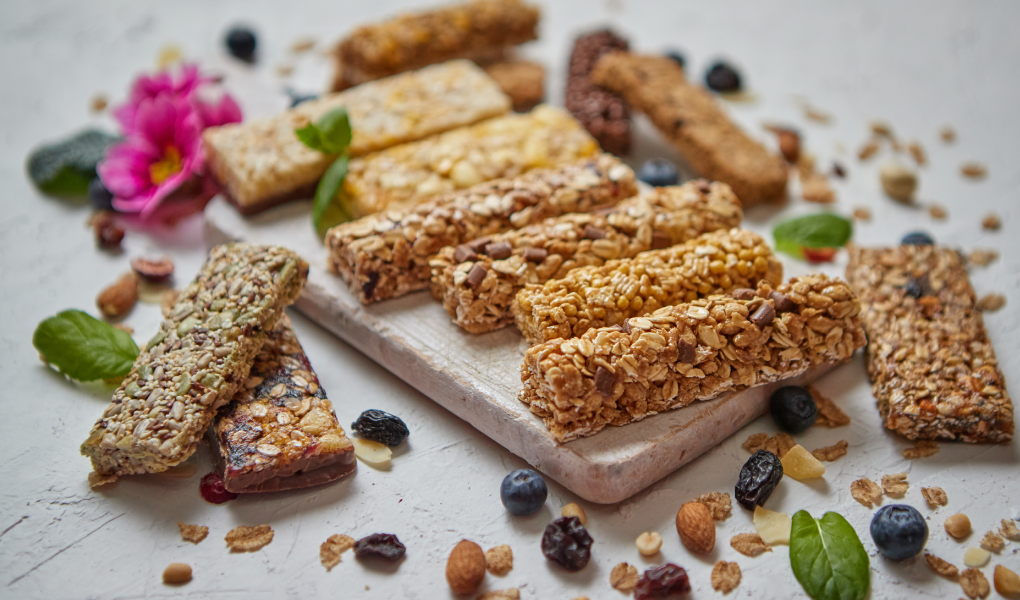
3. Energy Bites
- Oats, nut butter, honey, and dried fruit
- Healthy, portable, and customizable
4. Fruit Leather Rolls
- Pureed fruits dried into strips
- Portable, colorful, and free from refined sugar
5. Frozen Fruit Pops
- Blend fruits and freeze in molds
- Fun and refreshing alternative to sugar-heavy popsicles
Why Avoiding Harmful Candy Ingredients is Important
- Protects Health: Reduces risks of sugar spikes, obesity, and cavities
- Supports Halal Lifestyle: Ensures candy aligns with Islamic dietary laws
- Promotes Allergic Safety: Avoids nuts, dairy, or gluten issues for sensitive children
- Encourages Healthy Habits: Teaches children to make better food choices
- Fosters Creativity: DIY alternatives provide opportunities for family fun and experimentation
Final Thoughts
Understanding candy ingredients to avoid is essential for parents who want to provide healthy, halal, and safe treats for their children. By avoiding non-halal gelatin, alcohol-based flavorings, artificial colors, high sugar, and preservatives, families can choose or make candy that is delicious, safe, and nutritious.
At Halal Edible, we encourage families to:
- Read labels carefully
- Choose natural and halal-certified options
- Make homemade candy alternatives using fruit, seeds, and natural sweeteners
With these practices, candy can remain a fun, festive, and safe treat for children while supporting health, halal compliance, and responsible snacking habits.