
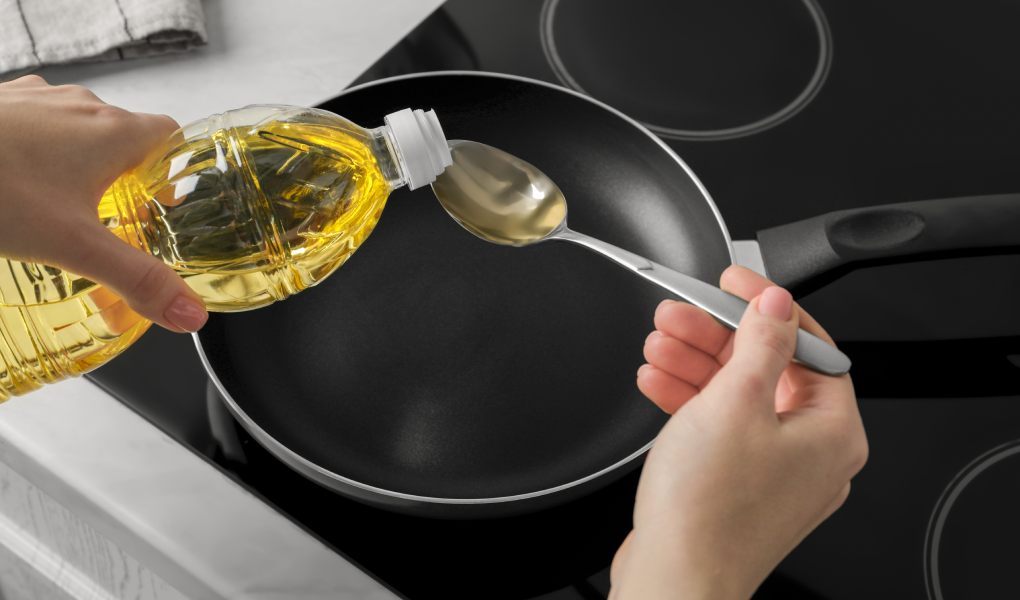
Cooking at high temperatures, whether frying, sautéing, or searing, requires oils that can withstand heat without breaking down, smoking excessively, or producing harmful compounds. Choosing the right oil is essential not only for taste and texture but also for health. For halal-conscious consumers, it is equally important to ensure that the oil used is permissible under Islamic dietary laws.
At Halal Edible, we understand the need to combine culinary performance with halal compliance. In this guide, we will explore the best oils for high heat cooking, their health benefits, smoke points, and tips for safe and halal usage in the kitchen.
Understanding Smoke Point and High Heat Cooking
When cooking with oil, the smoke point is a critical factor. The smoke point is the temperature at which an oil begins to smoke and break down, producing harmful compounds and a burnt flavor. Oils with a higher smoke point are ideal for frying, searing, and sautéing, while oils with lower smoke points are better suited for dressings, dips, or low-heat cooking.
Common high-heat cooking methods:
- Stir-frying
- Deep-frying
- Pan-frying
- Roasting
- Grilling
Choosing the right oil helps maintain flavor, avoid chemical breakdown, and preserve the oil’s nutritional benefits.
Criteria for Choosing Halal Oils for High Heat Cooking
When selecting oils for high heat cooking, halal consumers should consider:
- Halal Status:
Ensure the oil is plant-based or halal-certified if it contains additives. Avoid oils processed with non-halal emulsifiers or flavorings. - Smoke Point:
High smoke point oils (above 400°F / 204°C) are ideal for frying and sautéing. - Stability:
Oils rich in saturated or monounsaturated fats are more stable at high temperatures than polyunsaturated oils. - Flavor Profile:
Neutral-flavored oils allow the taste of your food to shine, while oils like sesame or coconut add distinct flavors.
Best Halal Oils for High Heat Cooking
1. Avocado Oil
Smoke Point: 520°F (271°C)
Fat Composition: High in monounsaturated fats
Halal Status: Naturally halal if pure and unblended
Avocado oil is one of the most heat-stable oils available, making it ideal for stir-frying, deep-frying, and searing. It has a neutral taste and is packed with heart-healthy monounsaturated fats.
Benefits:
- Rich in antioxidants like vitamin E
- Supports heart health
- Resistant to oxidative damage at high temperatures
Tips: Use refined avocado oil for frying; unrefined versions are better for low-heat cooking or dressings.
2. Refined Coconut Oil
Smoke Point: 450°F (232°C)
Fat Composition: High in saturated fats
Halal Status: Naturally halal if unflavored and additive-free
Coconut oil is stable due to its saturated fat content, which resists oxidation at high heat. Refined coconut oil is ideal for deep-frying and sautéing, while virgin coconut oil offers a distinct flavor for stir-fries or baking.
Benefits:
- Adds a subtle coconut aroma
- Contains medium-chain triglycerides (MCTs) for quick energy
- Highly stable under heat
Tips: Avoid coconut oil blends with artificial flavorings unless halal-certified.
3. Ghee (Clarified Butter)
Smoke Point: 485°F (252°C)
Fat Composition: Mostly saturated fats
Halal Status: Halal if made from milk sourced from halal animals
Ghee is a traditional cooking fat in many cultures. It is clarified, removing milk solids, which increases its smoke point and makes it suitable for high-heat frying.
Benefits:
- Rich, nutty flavor
- Ideal for Indian and Middle Eastern cooking
- Long shelf life without refrigeration
Tips: Ensure the ghee is halal-certified or made from halal-sourced butter.
4. Refined Peanut Oil
Smoke Point: 450°F (232°C)
Fat Composition: High in monounsaturated fats
Halal Status: Halal if pure, without non-halal additives
Peanut oil is a popular choice for deep-frying and stir-frying due to its high smoke point and mild flavor. It is commonly used in Asian and Western cuisines.
Benefits:
- Neutral flavor that does not overpower dishes
- Good heat stability
- Suitable for repeated frying
Tips: Always check for peanut oil blends that may include flavorings or preservatives.
5. Sunflower Oil (High-Oleic Variety)
Smoke Point: 440–475°F (227–246°C)
Fat Composition: High in monounsaturated fats
Halal Status: Naturally halal
High-oleic sunflower oil is stable for high-heat cooking and has a neutral flavor, making it versatile for deep-frying, sautéing, and roasting.
Benefits:
- Heart-healthy fats
- Neutral taste for versatile use
- High smoke point suitable for commercial frying
Tips: Avoid conventional sunflower oils with added emulsifiers unless halal-certified.
6. Safflower Oil (High-Oleic)
Smoke Point: 450°F (232°C)
Fat Composition: High monounsaturated fats
Halal Status: Plant-based and naturally halal
Safflower oil is heat-stable and has a neutral flavor, perfect for frying or roasting vegetables. It is also widely available in refined form for high-heat cooking.
7. Rice Bran Oil
Smoke Point: 450°F (232°C)
Fat Composition: Balanced monounsaturated and polyunsaturated fats
Halal Status: Plant-based and halal
Rice bran oil has gained popularity for its mild flavor and high heat tolerance. It is also rich in antioxidants and beneficial plant compounds.
Benefits:
- High smoke point
- Mild flavor for diverse cuisines
- Contains oryzanol, an antioxidant beneficial for heart health
Oils to Avoid for High Heat Cooking
While some oils are excellent for low-heat cooking or dressings, they are not suitable for frying or sautéing due to their low smoke points:
- Extra Virgin Olive Oil – Smoke point ~375°F (190°C), better for low-heat cooking or dressings.
- Flaxseed Oil – Very low smoke point; use only for cold dishes.
- Walnut or Pumpkin Seed Oil – Low smoke point; ideal for finishing dishes.
Using oils beyond their smoke points can produce toxic compounds, bitter flavors, and unhealthy free radicals.
Tips for Halal High Heat Cooking
- Check Certification: Ensure oils are halal-certified if purchased commercially.
- Refined vs Unrefined: Use refined oils for frying; unrefined oils for flavor and cold applications.
- Avoid Blends With Non-Halal Additives: Check for emulsifiers, flavorings, or preservatives.
- Store Properly: Keep oils in a cool, dark place to prevent oxidation.
- Rotate Oils: For long-term frying, avoid reusing oils multiple times to maintain quality and health benefits.
Benefits of Using Halal Oils for High Heat Cooking
- Compliance with Islamic dietary laws – Peace of mind for halal-conscious families.
- Improved health – Stable oils reduce harmful compounds.
- Enhanced flavor – Choosing the right oil enhances the taste and texture of food.
- Versatility – Many halal oils can be used across multiple cuisines and cooking methods.
Final Thoughts
Choosing the right oil for high heat cooking is essential for both health and halal compliance. Oils like avocado, refined coconut, ghee, refined peanut, high-oleic sunflower, safflower, and rice bran oil provide stability, flavor, and safety at high temperatures.
Key takeaways:
- High smoke point oils are best for frying, sautéing, and searing.
- Plant-based oils and halal-certified ghee are safe for halal diets.
- Avoid oils with unclear additives, animal-derived emulsifiers, or alcohol-based flavorings.
- Check labels and certification to ensure compliance with halal standards.
By selecting halal, heat-stable oils, you can cook delicious, healthy meals without compromising your dietary principles.