
In today’s world, sweeteners have become an essential part of our diets. From beverages to desserts, sugar is everywhere, but not everyone can consume it freely. For diabetics, those watching their weight, or anyone seeking a healthier lifestyle, artificial sweeteners have become a popular alternative. However, for consumers of halal foods, understanding which artificial sweeteners are halal is equally important.
At Halal Edible, we aim to guide you through the world of artificial sweeteners in halal foods, explaining what they are, their uses, safety considerations, and how to choose the right ones.
What Are Artificial Sweeteners?
Artificial sweeteners are chemical compounds designed to provide sweetness without the calories of sugar. They are often hundreds or even thousands of times sweeter than sugar, meaning only a small amount is needed to achieve the desired taste.
Unlike natural sweeteners such as stevia or monk fruit, artificial sweeteners are synthesized in labs but are approved for consumption by regulatory authorities, including the FDA and EFSA. Common artificial sweeteners include:
- Aspartame
- Sucralose
- Saccharin
- Acesulfame potassium (Ace-K)
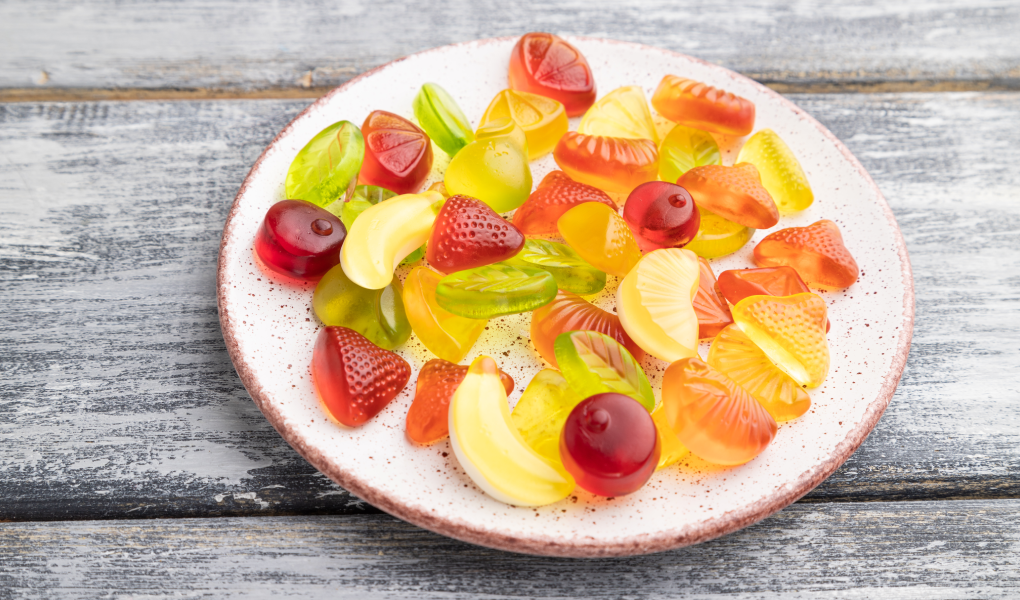
These sweeteners are widely used in drinks, baked goods, candies, chewing gums, and even some dairy products.
Are Artificial Sweeteners Halal?
For food to be halal, it must comply with Islamic dietary laws. This means the product should not contain any haram (forbidden) ingredients, such as alcohol, certain animal derivatives, or ingredients derived from haram sources.
Artificial sweeteners are generally considered halal, but there are exceptions:
- Aspartame: Made from amino acids, aspartame is usually halal, but some certifications check for the use of alcohol or enzymes derived from non-halal sources during manufacturing.
- Saccharin: Halal if no alcohol or haram processing agents are used.
- Sucralose: Typically halal, as it is chemically modified sugar, but always verify certification.
The safest way for consumers is to look for halal certification on products containing artificial sweeteners. Many brands now provide halal-certified sweeteners suitable for cooking, baking, and beverages.
Common Artificial Sweeteners Used in Halal Foods
1. Aspartame
Aspartame is one of the most common artificial sweeteners and is about 200 times sweeter than sugar. It is widely used in soft drinks, sugar-free candies, chewing gum, and tabletop sweeteners.
Key Points:
- Contains negligible calories.
- Safe for diabetics when consumed in moderation.
- Not suitable for people with phenylketonuria (PKU), a rare genetic disorder, as it contains phenylalanine.
2. Sucralose
Sucralose is known for its heat stability, which makes it ideal for cooking and baking. It is about 600 times sweeter than sugar and passes through the body largely unchanged, providing almost zero calories.
Key Points:
- Heat-stable, making it perfect for pastries and desserts.
- Does not affect blood sugar levels.
- Generally recognized as halal, but verification via certification is recommended.
3. Saccharin
Saccharin is one of the oldest artificial sweeteners, discovered over a century ago. It is 300–500 times sweeter than sugar and is often used in beverages, jellies, and sugar-free candies.
Key Points:
- Calorie-free and safe for diabetics.
- May leave a slight metallic aftertaste if used in large quantities.
- Halal status depends on production methods.
4. Acesulfame Potassium (Ace-K)
Ace-K is another popular sweetener used in drinks, desserts, and baked goods. It is often combined with other sweeteners like sucralose or aspartame to enhance flavor.
Key Points:
- Heat-stable and calorie-free.
- Approved for consumption in over 100 countries.
- Halal status is generally acceptable, but halal certification is advised.
Benefits of Artificial Sweeteners in Halal Foods
- Diabetic-Friendly: Artificial sweeteners do not raise blood sugar, making them ideal for diabetics who want to enjoy sweetness safely.
- Weight Management: With almost zero calories, they help reduce overall calorie intake.
- Dental Health: Unlike sugar, artificial sweeteners do not contribute to tooth decay.
- Long Shelf Life: Many artificial sweeteners remain stable over time, making them suitable for packaged foods.
Concerns and Considerations
While artificial sweeteners are generally safe, there are some concerns to be aware of:
- Digestive Issues: Some people may experience bloating or discomfort from certain sweeteners, particularly sugar alcohols combined with artificial sweeteners.
- Overconsumption: Excessive use can sometimes trigger cravings for sweet foods.
- Safety Myths: Misconceptions linking artificial sweeteners to cancer have largely been debunked, but moderation is still advised.
Tips for Choosing Halal Artificial Sweeteners
- Look for Halal Certification: Always check if the sweetener has halal certification from a trusted body.
- Read Ingredients: Avoid products that list alcohol, gelatin, or enzymes derived from non-halal sources.
- Check Usage Instructions: Some artificial sweeteners are much sweeter than sugar and need to be used sparingly.
- Consider Taste: Artificial sweeteners can have aftertastes; blending with natural sweeteners can improve flavor.
- Consult a Nutritionist: Especially important for diabetics or people with other health conditions.
Popular Halal-Certified Artificial Sweetener Brands
Some halal-certified sweeteners widely available include:
- Canderel® (Aspartame-based)
- Splenda® (Sucralose-based)
- Sweet’n Low® (Saccharin-based)
Always verify packaging for halal logos, as certification can vary by region.
Conclusion
Artificial sweeteners play a crucial role in modern diets, offering a safe and calorie-free alternative to sugar. For halal-conscious consumers, it’s important to select sweeteners that are halal-certified and free from haram additives.
At Halal Edible, we emphasize the importance of informed choices. By selecting halal-certified artificial sweeteners, diabetics and health-conscious individuals can enjoy sweet flavors safely, maintain better health, and adhere to their dietary principles.
With the growing availability of halal-certified sweeteners, it’s easier than ever to enjoy your favorite foods and beverages without compromising taste, health, or religious guidelines.