
Artificial preservatives are widely used in the food industry to extend the shelf life of products and prevent spoilage. From packaged snacks and beverages to sauces and ready-to-eat meals, these additives help maintain freshness and safety for longer periods. However, many consumers today question whether artificial preservatives are truly safe and whether they should be avoided.
With increasing awareness about healthy eating and clean-label foods, people want to understand what these preservatives are, how they work, and whether they pose any risks. For halal-conscious consumers, there may also be concerns about the sources and processing of certain additives.
At Halal Edible, we aim to provide clear and informative guidance on food ingredients. In this article, we will explore what artificial preservatives are, why they are used, their potential benefits and concerns, and how to make informed food choices.
What Are Artificial Preservatives?
Artificial preservatives are chemically produced substances added to food to prevent spoilage and extend shelf life. These preservatives slow the growth of bacteria, yeast, and mold that can cause food to spoil.
Without preservatives, many packaged foods would spoil quickly and become unsafe to eat. Artificial preservatives allow food products to remain stable during transportation, storage, and retail display.
Some common artificial preservatives include:
- Sodium benzoate
- Potassium sorbate
- Sodium nitrite
- BHA (Butylated hydroxyanisole)
- BHT (Butylated hydroxytoluene)
These additives are commonly used in processed foods, beverages, and packaged snacks.
Why Artificial Preservatives Are Used
Artificial preservatives serve several important purposes in the food industry.
Preventing Microbial Growth
Bacteria and fungi can quickly grow in food and cause spoilage or foodborne illnesses. Preservatives help inhibit the growth of these microorganisms.
Extending Shelf Life
Food products often travel long distances and remain on store shelves for weeks or months. Preservatives help keep them fresh during this time.
Maintaining Food Quality
Preservatives help maintain the original taste, texture, color, and nutritional value of food.
Reducing Food Waste
By extending the shelf life of food products, preservatives help reduce food waste and make food more accessible to consumers.
Common Artificial Preservatives in Food
Understanding the most commonly used artificial preservatives can help consumers make informed choices.
Sodium Benzoate
Sodium benzoate is widely used in acidic foods such as:
- Soft drinks
- Fruit juices
- Pickles
- Salad dressings
It helps prevent the growth of bacteria and yeast.
Potassium Sorbate
Potassium sorbate is commonly used in:
- Cheese
- Yogurt
- Baked goods
- Fruit products
It helps prevent mold and yeast growth.
Sodium Nitrite and Sodium Nitrate
These preservatives are often used in processed meats such as:
- Sausages
- Bacon
- Hot dogs
- Deli meats
They help maintain the pink color of meat and prevent harmful bacterial growth.
BHA and BHT
These are antioxidants used to prevent fats and oils from becoming rancid.
They are commonly found in:
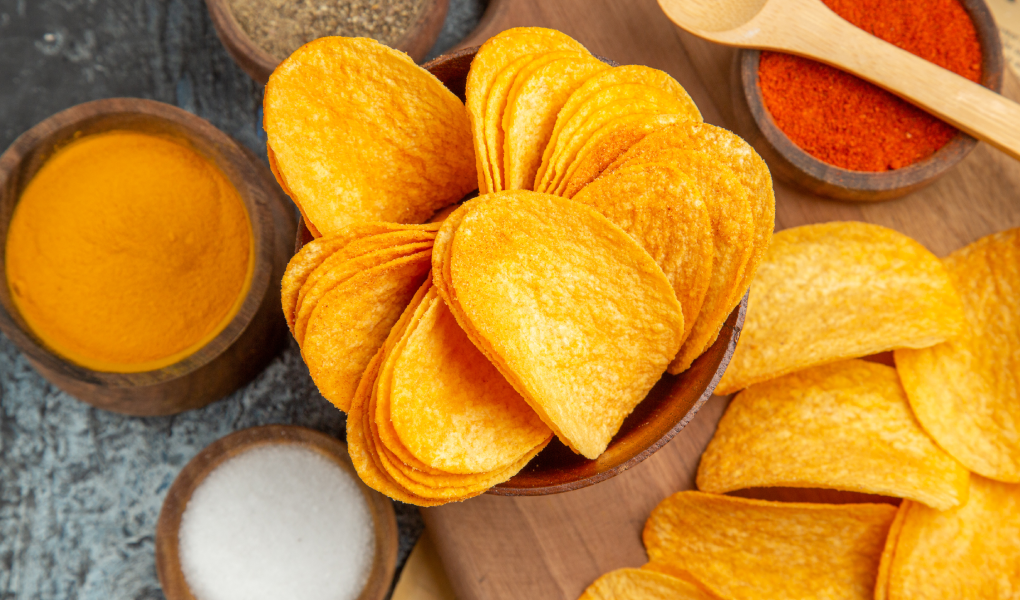
- Packaged snacks
- Cereals
- Chips
- Baked goods
Are Artificial Preservatives Approved for Safety?
Most artificial preservatives used in food are regulated and approved by global food safety authorities. These organizations evaluate preservatives to ensure they are safe when consumed within recommended limits.
Examples of regulatory authorities include:
- Food and Drug Administration (FDA)
- European Food Safety Authority (EFSA)
- World Health Organization (WHO)
These organizations establish acceptable daily intake levels for preservatives to ensure consumer safety.
When used within these limits, artificial preservatives are generally considered safe for consumption.
Potential Health Concerns
Despite regulatory approval, some consumers remain concerned about artificial preservatives.
Nitrites and Nitrates
Nitrites and nitrates used in processed meats can form compounds called nitrosamines when exposed to high heat. Some studies suggest these compounds may be linked to an increased risk of certain cancers.
For this reason, experts recommend limiting the consumption of heavily processed meats.
Sodium Levels
Many preserved foods contain high amounts of sodium, which may contribute to high blood pressure if consumed excessively.
Allergic Reactions
Some individuals may experience sensitivity or allergic reactions to certain preservatives.
For example, some people report sensitivity to sulfites, which are used in certain beverages and dried fruits.
Artificial Additives and Long-Term Health
While approved preservatives are considered safe, some consumers prefer to minimize their intake of artificial additives and choose foods with natural ingredients instead.
Natural Alternatives to Artificial Preservatives
As consumer demand for natural foods increases, many food manufacturers are exploring alternatives to artificial preservatives.
Some common natural preservatives include:
Salt
Salt has been used for centuries to preserve meat, fish, and vegetables by reducing moisture and preventing bacterial growth.
Vinegar
The acidity of vinegar helps inhibit bacteria and is widely used in pickled foods and sauces.
Lemon and Citrus Extracts
Natural acids from citrus fruits can help preserve food and enhance flavor.
Rosemary Extract
Rosemary extract is a natural antioxidant used to prevent fats and oils from spoiling.
These natural preservatives are often used in clean-label food products, which contain simpler and more recognizable ingredients.
Halal Considerations for Artificial Preservatives
For Muslim consumers, the halal status of food additives is an important consideration.
Most artificial preservatives are synthetically produced and generally halal, but some concerns may arise due to:
- Alcohol-based solvents used during production
- Animal-derived ingredients in certain additives
- Cross-contamination during manufacturing
To avoid these issues, it is best to choose halal-certified products that guarantee all ingredients comply with Islamic dietary guidelines.
Tips for Consumers
If you want to make healthier and halal-conscious choices when buying processed foods, consider the following tips.
Read Ingredient Labels
Understanding ingredient lists helps identify the types of preservatives used in food products.
Choose Fresh Foods
Fresh fruits, vegetables, and meats often contain fewer preservatives than packaged foods.
Limit Highly Processed Foods
Moderation is key. Consuming too many processed foods can increase intake of additives and sodium.
Look for Clean Label Products
Products with natural preservatives and simple ingredient lists may be a better option.
Buy Halal-Certified Foods
Halal certification ensures that food ingredients and processing methods meet Islamic standards.
The Future of Food Preservation
The food industry is constantly evolving to meet consumer demands for safer and healthier products.
New technologies and natural preservation methods are being developed, including:
- Plant-based preservatives
- Fermentation-based preservation
- Advanced packaging technologies
- High-pressure processing
These innovations aim to maintain food safety while reducing reliance on artificial additives.
Final Thoughts
Artificial preservatives play an important role in modern food production. They help prevent spoilage, maintain quality, and ensure that food remains safe during transportation and storage.
Regulatory agencies worldwide carefully monitor these additives, and when used within approved limits, they are generally considered safe.
However, consumers who prefer healthier or more natural diets may choose to limit processed foods and opt for products with natural preservatives or clean-label ingredients.
For halal-conscious individuals, selecting halal-certified foods and understanding ingredient sources can provide additional peace of mind.
At Halal Edible, we encourage readers to stay informed about food ingredients and make choices that support both health and halal dietary values. By understanding preservatives and how they work, consumers can enjoy a balanced diet while making smarter food decisions.