
Chicken is one of the most widely consumed proteins worldwide. It is nutritious, versatile, and a staple in many households. However, concerns about antibiotic use in poultry farming have grown over the years. As halal-conscious and health-focused consumers, understanding what antibiotics are, why they are used, their potential effects, and halal considerations is essential.
At Halal Edible, we aim to provide clear guidance to help you make informed choices when buying and consuming chicken.
What Are Antibiotics?
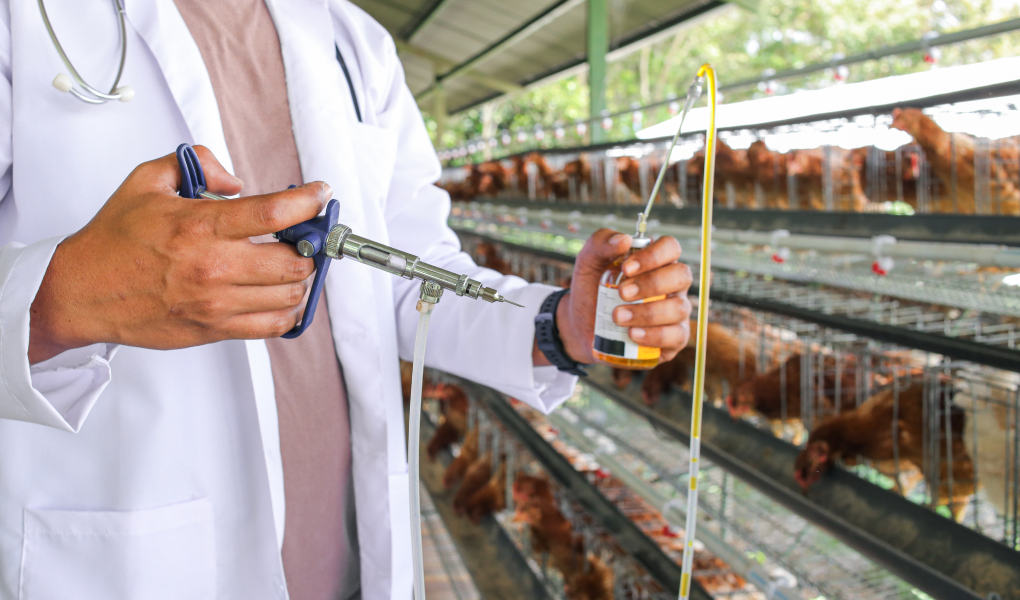
Antibiotics are drugs used to prevent or treat bacterial infections. In poultry farming, they serve multiple purposes:
- Disease Prevention: Chickens raised in crowded or intensive farming conditions are more prone to infections. Antibiotics reduce the risk of bacterial disease outbreaks.
- Growth Promotion: In some countries, low doses of antibiotics are used to promote faster growth and improve feed efficiency.
- Treatment of Illness: Sick birds may receive therapeutic antibiotics to recover from infections.
While antibiotics help farmers maintain a healthy flock, their use in food animals has raised concerns about health, antibiotic resistance, and halal compliance.
Common Types of Antibiotics Used in Poultry
Some of the antibiotics commonly used in conventional poultry farming include:
- Tetracyclines: Used to prevent respiratory infections
- Penicillins: Treat bacterial diseases
- Macrolides (e.g., erythromycin): Effective against certain respiratory infections
- Sulfonamides: Prevent and treat coccidiosis and other infections
It is important to note that regulations differ by country, and many countries have banned or restricted antibiotics for growth promotion.
Why Antibiotic Use in Chicken Raises Concerns
1. Antibiotic Resistance
One of the most serious concerns is antibiotic resistance. When chickens are exposed to antibiotics:
- Some bacteria survive and develop resistance
- These resistant bacteria can transfer to humans through consumption or handling
- Overuse of antibiotics in food animals contributes to antibiotic-resistant infections, making human infections harder to treat
2. Residues in Meat
If chickens are slaughtered before the antibiotics have cleared their system, residues may remain in the meat. While withdrawal periods are established to minimize this risk, improper management can lead to antibiotic exposure in consumers.
3. Health Implications
Potential health effects from antibiotic exposure include:
- Allergic reactions in sensitive individuals
- Disruption of gut microbiota due to residual antibiotics
- Contribution to long-term antibiotic resistance in humans
Halal Considerations
For halal consumers, antibiotic use raises specific concerns:
1. Permissibility
- Antibiotics themselves are generally chemically synthesized and halal, provided they do not contain haram ingredients or are derived from non-halal animal sources.
- Halal certification ensures that the entire chicken production process, including medication, complies with Islamic law.
2. Halal-Certified Chicken
- Halal-certified chicken is often raised with stricter oversight regarding additives, including antibiotics.
- Some halal farms prioritize antibiotic-free or responsibly raised poultry, offering peace of mind for health-conscious consumers.
3. Transparency
- Look for halal logos and certifications on packaging
- Ensure brands provide clear information about antibiotic use and withdrawal periods
Antibiotic-Free Chicken: What It Means
“Antibiotic-free” or “raised without antibiotics” labels indicate that the chicken was never given antibiotics during its life. Benefits include:
- Reduced risk of antibiotic residues in meat
- Lower contribution to antibiotic resistance
- Often raised with better animal welfare standards
However, these products may be more expensive due to higher production costs and slower growth rates.
Health Benefits of Choosing Antibiotic-Free Chicken
- Peace of Mind: Reduced exposure to antibiotic residues
- Supports Gut Health: Less disruption of beneficial gut bacteria
- Lower Risk of Resistant Bacteria: Helps prevent transfer of antibiotic-resistant bacteria to humans
- Potentially Better Nutrition: Some studies suggest slower-grown, antibiotic-free chickens may have higher nutrient density
Tips for Choosing Healthy Halal Chicken
To minimize antibiotic exposure while adhering to halal standards, consider the following tips:
1. Check Halal Certification
- Always choose halal-certified brands
- Look for transparent labeling regarding antibiotics and additives
2. Opt for Antibiotic-Free or Responsibly Raised Chicken
- Many halal brands now offer antibiotic-free, free-range, or organic poultry
- These options prioritize both health and animal welfare
3. Buy from Trusted Sources
- Purchase from reputable stores or brands that provide full traceability of their poultry
4. Cook Chicken Thoroughly
- Proper cooking kills harmful bacteria and reduces the risk of foodborne illnesses
- Avoid cross-contamination by cleaning utensils and surfaces
5. Balance Your Diet
- Include a variety of protein sources such as legumes, fish, and halal-certified beef to reduce dependence on conventionally raised chicken
Common Misconceptions About Antibiotics in Chicken
- “All chicken has antibiotics.”
Not all chicken contains antibiotics. Many halal-certified and organic brands now offer antibiotic-free options. - “Antibiotic residues are always harmful.”
Regulatory agencies enforce withdrawal periods to ensure residues in meat are minimal and generally safe for consumption. - “Antibiotic-free chicken tastes bland.”
Taste depends on cooking methods, seasoning, and quality. Many consumers find antibiotic-free chicken flavorful and juicy.
Cooking Tips for Healthy Chicken Meals
- Remove skin to reduce fat content
- Use herbs and spices instead of excessive salt or pre-made sauces
- Cook at moderate heat to retain moisture and nutrients
- Pair with vegetables and whole grains for balanced meals
Examples of healthy halal meals include:
- Grilled antibiotic-free chicken breast with quinoa and roasted vegetables
- Slow-cooked halal chicken thighs with legumes and herbs
- Baked drumsticks with garlic, lemon, and seasonal vegetables
The Future of Halal and Antibiotic-Free Chicken
Consumer demand for antibiotic-free and halal-certified chicken is increasing globally. Trends in the poultry industry include:
- Organic and free-range halal chicken
- Better traceability of medications and additives
- Education on responsible antibiotic use in halal farming
- Label transparency and halal-compliant certifications
These developments make it easier for halal consumers to access safe, healthy, and ethically produced chicken.
Final Thoughts
Antibiotics have played a role in poultry farming for decades, but rising health and halal-conscious concerns have prompted changes in production methods. While antibiotics help prevent disease in chickens, overuse can contribute to antibiotic resistance and potential health risks.
For halal consumers, the safest options include:
- Choosing halal-certified, antibiotic-free, or responsibly raised chicken
- Checking labels and certifications for transparency
- Cooking chicken thoroughly and following healthy meal practices
At Halal Edible, we encourage readers to prioritize health, halal compliance, and informed food choices. By understanding antibiotics in chicken and selecting high-quality halal options, you can enjoy safe, nutritious, and delicious meals while supporting responsible farming practices.