
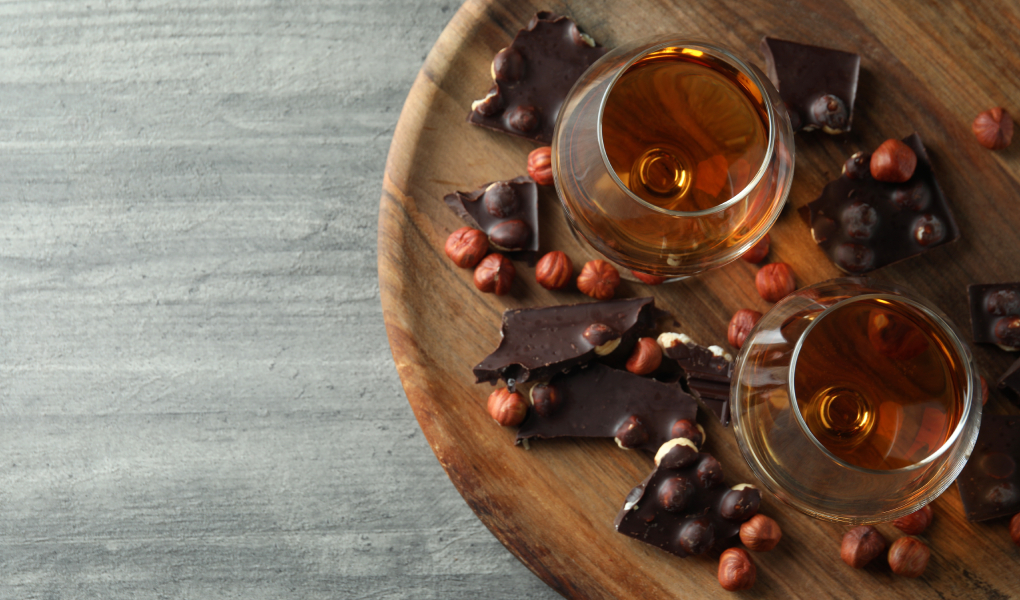
Desserts and chocolates are enjoyed worldwide for their sweetness, richness, and indulgence. However, many popular treats contain alcohol, whether in the form of liqueurs, extracts, or flavorings. For Muslims adhering to a halal and tayyib diet, consuming such ingredients is not permissible.
At Halal Edible, we explore why alcohol appears in desserts and chocolates, how it affects halal compliance, and the best alternatives to enjoy your favorite sweets without compromising your faith.
Why Alcohol Is Used in Desserts and Chocolates
Alcohol is used in sweets for several reasons:
- Flavor Enhancement:
- Liqueurs and spirits like rum, brandy, or whiskey enhance flavors in cakes, truffles, and chocolates.
- Alcohol extracts flavors from ingredients such as vanilla, coffee, or nuts.
- Moisture and Texture:
- Adds moisture to cakes and keeps chocolate truffles smooth.
- Helps in creating creamy fillings in pastries and chocolates.
- Preservation:
- Alcohol acts as a preservative in dessert liqueurs and certain chocolate fillings.
- Helps prolong shelf life in commercially prepared products.
- Aromatic Impact:
- Alcohol-based extracts release aromas more effectively than water-based alternatives.
- Enhances the overall sensory experience of desserts.
Common Desserts and Chocolates Containing Alcohol
1. Chocolate Truffles and Pralines
- Many chocolate truffles use rum, brandy, or whiskey in the filling.
- Some chocolates use liqueurs like Grand Marnier or Baileys for flavoring.
- Halal Tip: Look for chocolates labeled “alcohol-free” or halal-certified.”
2. Tiramisu
- Traditional tiramisu contains Marsala wine or coffee liqueur.
- Alcohol is used to soak ladyfingers, imparting flavor and moisture.
- Halal Tip: Use alcohol-free coffee extract or fruit juice instead of liqueur.
3. Fruitcakes and Holiday Cakes
- Often soaked with rum, brandy, or sherry to enhance flavor and preserve the cake.
- Commercially baked fruitcakes may contain a significant amount of alcohol.
- Halal Tip: Substitute with fruit juice, orange juice, or rum-flavored alcohol-free extracts.
4. Puddings and Custards
- Some recipes call for liqueurs like amaretto or Cointreau.
- Alcohol adds subtle sweetness and aroma.
- Halal Tip: Use vanilla, almond, or orange extracts that are alcohol-free.
5. Baked Goods and Pastries
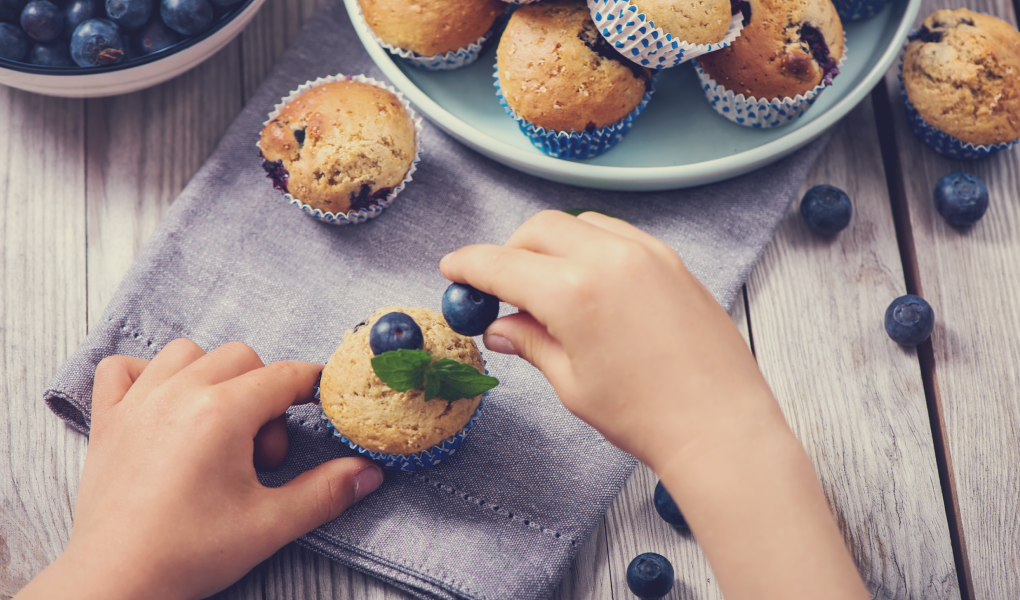
- Chocolate cakes, muffins, and pastries sometimes include brandy or rum in the batter.
- Alcohol can enhance flavors from chocolate, nuts, or fruits.
- Halal Tip: Use halal-certified chocolate, cocoa powder, or alcohol-free flavorings.
6. Specialty Chocolates
- Gourmet chocolates often include liqueur-infused centers or fillings.
- Halal Tip: Opt for chocolates with alcohol-free fillings or halal certification.
How Alcohol in Desserts Affects Halal Compliance
- Even small amounts matter: Alcohol, even if it evaporates partially during cooking or baking, is still considered haram in Islam.
- Labeling issues: Many products do not clearly state the alcohol content in extracts or liqueurs.
- Cross-contamination: Desserts prepared in non-halal facilities may come into contact with alcoholic ingredients.
Key Principle: When preparing or buying desserts, always verify the source and ingredients to ensure halal compliance.
Halal Alternatives to Alcohol in Desserts and Chocolates
1. Alcohol-Free Extracts
- Vanilla, rum, almond, or orange extracts are available in alcohol-free versions.
- Usage: Can replace liqueurs in baking, chocolates, and custards.
2. Fruit Juices and Purees
- Orange juice, apple juice, or grape juice can substitute liqueurs in cakes and fruit desserts.
- Helps maintain moisture while providing natural sweetness.
3. Flavored Syrups
- Maple syrup, date syrup, or agave syrup can mimic sweetness and add subtle flavor.
- Ideal for chocolate truffles, frostings, and glazes.
4. Coffee and Cocoa Concentrates
- Strong coffee, espresso, or cocoa can replicate the aromatic effect of alcohol in desserts.
- Perfect for tiramisu, chocolate mousse, and baked goods.
5. Homemade Alcohol-Free Liqueurs
- Combine fruit juice with honey, sugar, and flavorings like vanilla or almond.
- Simulates the taste of traditional liqueurs without using alcohol.
Tips for Halal-Friendly Baking and Chocolate Making
- Read Labels Carefully: Look for terms like “alcohol,” “liqueur,” or “wine extract” and avoid them unless alcohol-free.
- Use Halal-Certified Products: Chocolates, cocoa powders, and dessert flavorings with halal certification ensure permissibility.
- Experiment with Substitutes: Adjust sweetness, acidity, and flavor intensity when replacing alcohol in recipes.
- DIY Solutions: Create your own alcohol-free extracts, syrups, and fruit reductions for desserts.
- Educate Guests and Customers: Clearly label desserts in gatherings or businesses as halal and alcohol-free.
Popular Halal Dessert Recipes Without Alcohol
- Chocolate Truffles: Use cocoa powder, cream, and maple syrup instead of liqueur.
- Fruitcake: Replace rum or brandy with fruit juice and orange zest.
- Tiramisu: Use alcohol-free coffee extract and vanilla essence instead of Marsala wine.
- Chocolate Ganache: Replace any brandy in ganache recipes with date syrup or honey for flavor depth.
- Pudding and Custards: Use plant-based milk, sugar, and alcohol-free vanilla or almond extract.
Health and Tayyib Considerations
- Alcohol-Free Desserts: Ensures the food aligns with Islamic dietary laws.
- Natural Ingredients: Fruit juices, honey, and plant-based syrups enhance nutrition and flavor.
- Family-Friendly: Safe for children and guests avoiding alcohol.
- Ethical Consumption: Maintaining halal principles ensures tayyib, wholesome eating.
Conclusion
Alcohol is often present in desserts and chocolates, but Muslims can enjoy their favorite sweets using halal alternatives. By replacing liqueurs and alcohol-based extracts with fruit juices, alcohol-free extracts, syrups, and coffee or cocoa concentrates, it is possible to preserve flavor, aroma, and texture.
At Halal Edible, we recommend:
- Always checking labels for alcohol content in desserts and chocolates.
- Choosing halal-certified or alcohol-free products for safety.
- Experimenting with natural and plant-based substitutes in homemade desserts.
- Educating yourself on halal alternatives to maintain a tayyib diet.
By doing so, you can indulge in delicious desserts and chocolates without compromising your faith, ensuring every bite is both halal and wholesome.