

Fasting during Ramadan is a spiritually rewarding practice, but it also brings unique challenges—one of the most important being staying hydrated. With long hours without water, maintaining proper hydration is essential for energy, focus, and overall health. At Halal Edible, we emphasize practical and halal-friendly strategies to help you stay hydrated and healthy throughout the fasting period.
This guide covers why hydration matters, signs of dehydration, and practical tips and strategies for maintaining optimal fluid balance during Ramadan.
Why Hydration is Important During Ramadan
Water is vital for many bodily functions, and fasting can make it difficult to meet your daily hydration needs. Proper hydration during Ramadan:
- Maintains Energy Levels – Prevents fatigue and weakness caused by fluid loss.
- Supports Digestion – Aids in smooth bowel movements and prevents constipation.
- Improves Cognitive Function – Keeps the brain alert and focused.
- Regulates Body Temperature – Especially important in hot climates or for physically active individuals.
- Supports Overall Health – Helps transport nutrients, remove toxins, and maintain joint health.
Signs You Might Be Dehydrated
During fasting, it’s crucial to recognize early signs of dehydration:
- Dry mouth or lips
- Dark-colored urine or reduced urination
- Fatigue or dizziness
- Headaches
- Dry skin or eyes
- Muscle cramps
If you notice these symptoms, focus on hydration strategies during non-fasting hours to restore fluid balance.
Best Drinks for Staying Hydrated
1. Water – The Ultimate Hydration Source
- Aim for 8–10 glasses between iftar and suhoor.
- Spread water intake evenly to prevent bloating.
- Keep a water bottle handy to remind yourself to drink.
2. Coconut Water
- Natural source of electrolytes like potassium and magnesium.
- Helps replenish fluids lost during fasting.
3. Milk and Dairy Drinks
- Halal milk, yogurt smoothies, and laban (fermented milk) provide fluid, protein, and electrolytes.
- Avoid sugary flavored milk, which can increase thirst later.
4. Herbal Teas
- Chamomile, peppermint, or hibiscus teas can hydrate without caffeine.
- Drink lukewarm or cold to prevent unnecessary fluid loss.
5. Infused Water
- Add lemon, cucumber, or berries to water for flavor.
- Encourages increased water consumption during non-fasting hours.
Foods That Help with Hydration
Besides drinks, many fruits and vegetables have high water content and help maintain hydration:
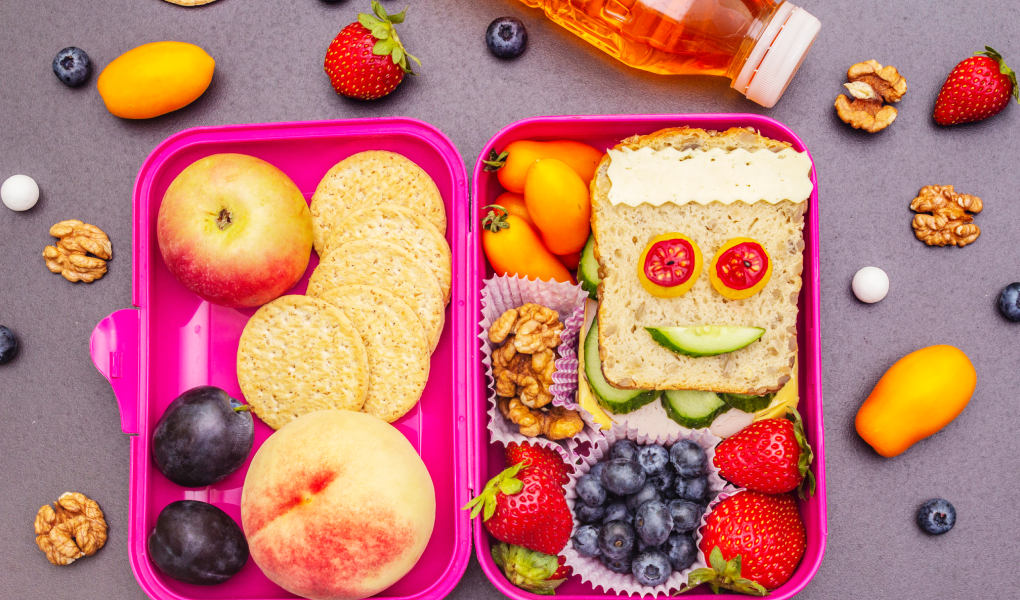
- Fruits: Watermelon, oranges, berries, grapes, apples, and mango
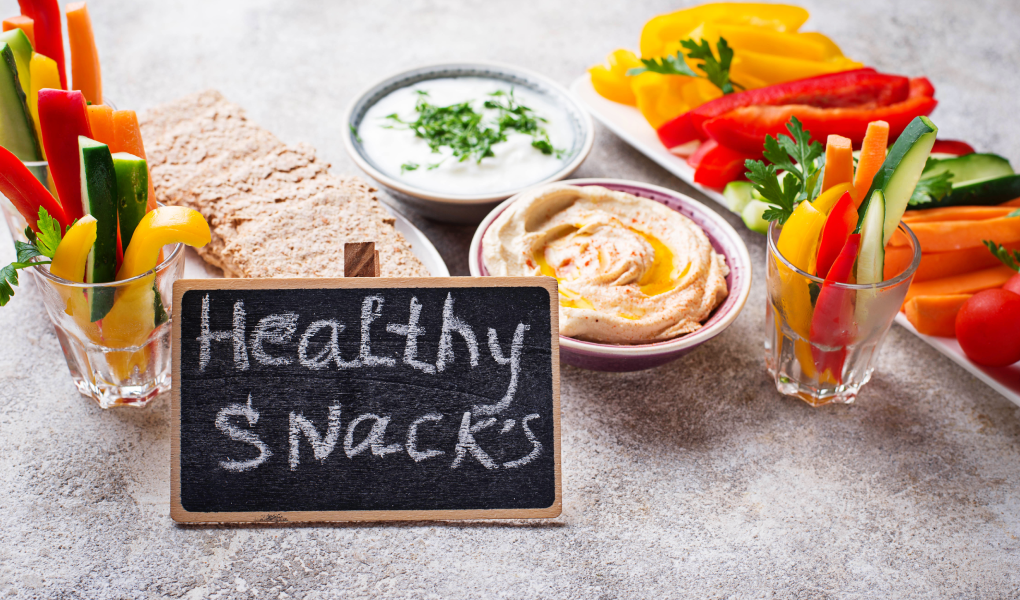
- Vegetables: Cucumber, lettuce, celery, zucchini, and tomatoes
- Soups: Light, clear soups at iftar provide both fluids and nutrients
- Smoothies: Blending fruits and vegetables with yogurt or milk boosts hydration and nutrition
Hydration Tips During Non-Fasting Hours
1. Prioritize Water at Suhoor
- Drink 2–3 glasses of water before the fast begins.
- Avoid salty, fried, or overly spicy foods that increase thirst.
2. Stay Hydrated After Iftar
- Break your fast with a glass of water or coconut water before heavy foods.
- Alternate water with non-caffeinated drinks throughout the evening.
3. Include Electrolytes
- Add dates, bananas, yogurt, and nuts to your meals.
- Electrolytes help retain fluids and prevent dehydration.
4. Limit Caffeine Intake
- Tea, coffee, and caffeinated drinks are diuretics, which can increase fluid loss.
- If consumed, drink them after iftar and in moderation.
5. Eat Water-Rich Meals
- Include soups, salads, fruits, and vegetables in iftar and suhoor.
- Avoid excessive fried or processed foods that contribute to thirst.
Hydration During Physical Activity
Exercising while fasting requires careful planning:
- Time Your Workouts – Preferably after iftar, when fluids and energy are available.
- Drink Before Exercise – Hydrate before starting your workout session.
- Keep It Light – Opt for walking, stretching, or low-intensity workouts during fasting hours.
- Replenish After Exercise – Drink water or coconut water immediately after exercising to restore fluids.
Tips for Preventing Dehydration
- Set a schedule for drinking water between iftar and suhoor.
- Carry a water bottle with you to encourage regular intake.
- Avoid sugary or carbonated drinks that can worsen dehydration.
- Prioritize balanced meals with fluids, protein, and fiber.
- Monitor your urine color—light yellow indicates good hydration.
Sample Hydration Plan for Ramadan
Iftar:
- 1 glass water or coconut water
- 1–2 dates
- Light soup with vegetables
Evening Snack (Optional):
- Herbal tea or infused water
- Fruits like watermelon or berries
Dinner:
- Water with the meal
- Include vegetables and protein-rich foods
Before Bed (Suhoor):
- 2–3 glasses of water
- Low-salt meal with complex carbs and protein
- Avoid caffeine
Final Thoughts
Maintaining proper hydration during Ramadan is crucial for energy, focus, and overall well-being. By choosing water, hydrating foods, and low-caffeine drinks, you can stay nourished and avoid fatigue while fasting.
At Halal Edible, we emphasize the importance of planning meals and hydration strategically. Simple changes, such as eating water-rich foods, spreading water intake, and consuming electrolytes, can make a significant difference in your fasting experience.
With mindful hydration, your Ramadan can be both spiritually fulfilling and physically energizing, allowing you to stay healthy and active throughout the holy month.