
For halal-conscious consumers in the United States, buying beef that meets Islamic dietary laws can sometimes feel challenging. While demand for halal meat has grown rapidly, navigating supermarkets, specialty stores, and online retailers requires understanding halal certifications, trusted brands, and safe handling practices.
At Halal Edible, we provide this comprehensive guide to help you buy halal beef in the US confidently, whether for everyday meals, meal prep, or special occasions.
What Does Halal Beef Mean?
Halal beef is not just about avoiding pork or alcohol—it involves specific religious requirements:
- Slaughter Method: The cow must be slaughtered according to the Zabiha method, with a sharp knife and the name of Allah invoked.
- Complete Drainage of Blood: Blood is considered impure, so halal slaughter requires full drainage.
- Free From Haram Additives: No alcohol, non-halal enzymes, gelatin, or other forbidden substances.
- Animal Welfare: While not strictly required, many halal certifications also ensure ethical treatment of animals.
Buying halal beef ensures compliance with Islamic law while supporting ethical and safe meat production.
Types of Halal Beef Available in the US
In the United States, halal beef comes in various forms:
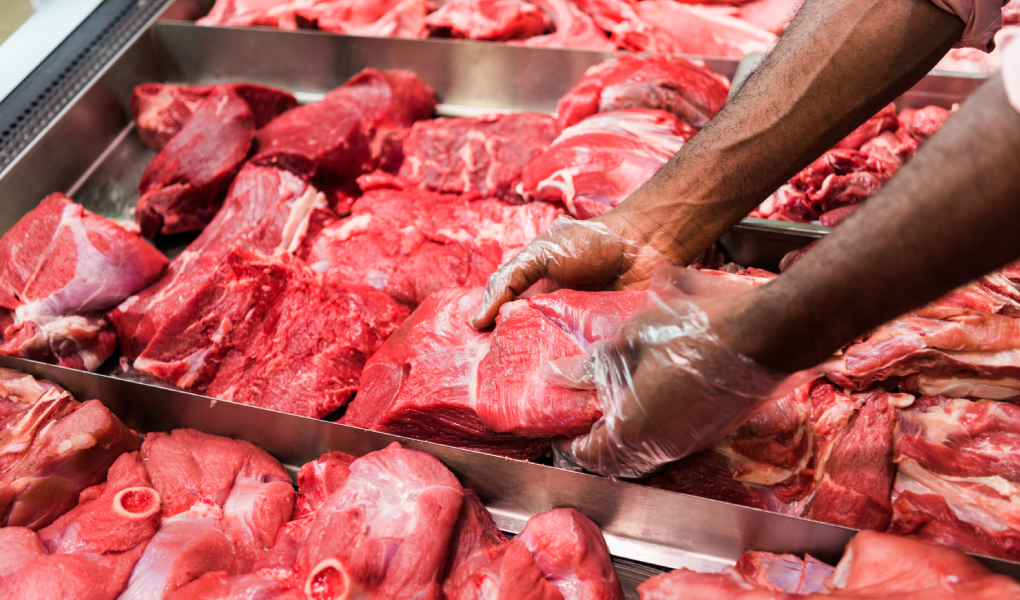
1. Fresh Beef Cuts
- Steaks: Ribeye, sirloin, tenderloin, T-bone
- Roasts: Chuck roast, brisket
- Ground beef: For burgers, meatballs, and keema dishes
Tip: Check for clear halal labeling and certification on fresh cuts in supermarkets or halal butcher shops.
2. Frozen Beef
- Steaks, kebab cubes, stew meat, and ground beef
- Convenient for meal prep and long-term storage
Tip: Ensure proper packaging, labeling, and halal certification when buying frozen beef online or at stores.
3. Halal-Certified Processed Beef
- Deli meats, beef sausages, and pre-marinated products
- Useful for sandwiches, quick meals, or events
Tip: Always verify the halal certification, as processed products can contain additives or preservatives that may not be halal.
Halal Certification in the US
With increasing halal demand, certification bodies have emerged to ensure compliance. Some key points:
1. Recognized Halal Certifiers
- Islamic Food and Nutrition Council of America (IFANCA): One of the most recognized halal certifiers in the US.
- Halal Food Council USA (HFC): Provides certification for restaurants and meat products.
- Islamic Services of America (ISA): Certifies meat and poultry products.
Tip: Look for the certifier’s logo on packaging to ensure authenticity.
2. What Certification Guarantees
- Proper Zabiha slaughter method
- No haram ingredients
- Compliance with hygiene and safety standards
- Traceability of the meat source
Where to Buy Halal Beef in the US
1. Halal Butcher Shops
- Found in major cities with Muslim communities (e.g., New York, Chicago, Los Angeles, Houston)
- Offers a wide range of fresh cuts and specialty items
- Knowledgeable staff can provide advice on cuts and cooking methods
Tip: Build a relationship with your local halal butcher for fresh, high-quality beef and personalized recommendations.
2. Supermarkets and Grocery Chains
- Many mainstream supermarkets now stock halal beef in the meat section, often near international or ethnic foods.
- Popular chains include:
- Walmart (select locations)
- Kroger (select locations)
- Whole Foods Market (halal-certified products)
Tip: Always check for halal certification on the packaging; not all beef labeled “fresh” or “local” is halal.
3. Online Retailers
- Convenient for frozen or bulk purchases
- Examples:
- Zabiha Halal Meat
- Halal Pastures
- Islamic Food Online Stores
Tip: Confirm shipping conditions and storage guidelines to maintain quality and safety.
4. Farmers’ Markets
- Some local farms provide halal-certified beef
- Offers transparency about farming methods and antibiotic-free or grass-fed options
Tip: Ask the farmer for certification or documentation confirming halal practices.
Tips for Buying Quality Halal Beef
1. Check Certification and Labels
- Look for recognized halal certification logos
- Confirm the slaughter date, cut, and expiration
- Avoid unlabeled products unless you trust the source
2. Understand Beef Cuts
- Learn the best cuts for your recipes:
- Ribeye, sirloin, tenderloin: Grilling and roasting
- Chuck, brisket: Slow-cooked stews or braises
- Ground beef: Burgers, kebabs, or meatballs
Tip: Buying the right cut ensures flavor, tenderness, and healthy meals.
3. Inspect Meat Quality
- Fresh beef should have a deep red color and firm texture
- Minimal fat marbling is fine for certain cuts; excessive yellow fat may indicate older meat
- Avoid any meat with a sour smell or slimy texture
4. Ask About Antibiotics and Hormones
- Many halal farms provide antibiotic-free or hormone-free beef
- Opting for these products ensures healthier meals and supports sustainable farming practices
5. Proper Storage
- Fresh beef: Refrigerate at 32–40°F (0–4°C), use within 2–3 days
- Frozen beef: Store at 0°F (-18°C) or below; can last 6–12 months
- Use airtight containers or vacuum-sealed bags to maintain quality
Health Benefits of Halal Beef
Halal beef is not just compliant with dietary laws; it also offers nutritional benefits:
- High-quality protein: Supports muscle growth and repair
- Rich in iron and zinc: Essential for immunity and energy
- Vitamin B12: Supports red blood cell formation and brain health
- Lean options available: Choose sirloin, tenderloin, or trimmed chuck for lower fat content
Tip: Pair halal beef with vegetables, whole grains, and legumes for a balanced meal.
Common Misconceptions About Halal Beef in the US
- “Halal beef is expensive and hard to find.”
- While specialty products may cost more, mainstream supermarkets and online retailers now make halal beef accessible.
- “All beef in Muslim neighborhoods is automatically halal.”
- Only certified or verified Zabiha beef is halal. Always check labels and certification.
- “Halal beef tastes different from regular beef.”
- Flavor depends on cut, freshness, and cooking method, not the halal process. Many people find halal beef equally or more flavorful.
Quick Guide to Halal Beef Shopping in the US
| Tip | Details |
|---|---|
| Certification | Look for IFANCA, HFC, or ISA logos |
| Freshness | Deep red color, firm texture, no odor |
| Cuts | Choose according to recipe: steaks, roasts, ground |
| Source | Trusted butcher, supermarket, online store, or farmers’ market |
| Storage | Refrigerate or freeze promptly, use airtight packaging |
| Health | Opt for antibiotic-free, lean cuts for healthier meals |
Final Thoughts
Buying halal beef in the US is easier than ever, thanks to growing demand, certified brands, and online availability. By understanding halal certification, beef cuts, quality indicators, and storage tips, you can confidently prepare safe, healthy, and delicious halal meals at home.
At Halal Edible, we encourage consumers to:
- Choose certified halal beef from trusted sources
- Explore various cuts for different cooking methods and recipes
- Consider antibiotic-free and responsibly raised options for health and sustainability
- Pair beef with wholesome ingredients to make balanced meals
By following these guidelines, halal-conscious families in the US can enjoy nutritious, flavorful, and compliant beef dishes every day.