
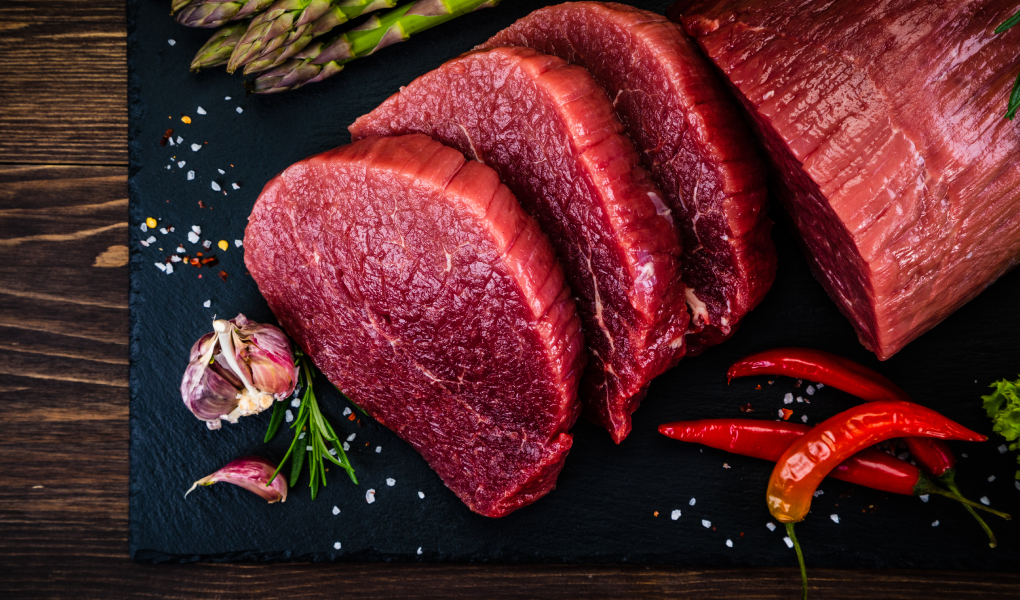
Beef is one of the most widely consumed protein sources worldwide. It is rich in flavor, versatile in cooking, and packed with nutrients essential for a healthy diet. For halal-conscious consumers, selecting halal-certified beef ensures both dietary compliance and nutritional benefits.
At Halal Edible, we break down the nutritional profile of beef, its health benefits, portion guidance, and tips for incorporating beef into balanced halal meals.
Nutritional Profile of Beef
The nutritional content of beef varies depending on the cut, fat content, and preparation method. Here’s an overview of key nutrients found in 100 grams (3.5 ounces) of raw, lean beef (e.g., sirloin or tenderloin, skinless and trimmed):
| Nutrient | Amount | Role in the Body |
|---|---|---|
| Calories | ~250 kcal | Provides energy |
| Protein | ~26g | Muscle growth, repair, and satiety |
| Total Fat | ~15g | Source of energy, hormones, and fat-soluble vitamins |
| Saturated Fat | ~6g | Structural component but should be limited |
| Monounsaturated Fat | ~7g | Heart-healthy fats |
| Cholesterol | ~90 mg | Supports cell membranes and hormone production |
| Iron | ~2.6 mg | Vital for red blood cells and oxygen transport |
| Zinc | ~4 mg | Supports immunity and wound healing |
| Vitamin B12 | ~2.5 µg | Supports nerve health and red blood cell production |
| Niacin (B3) | ~5 mg | Energy metabolism |
| Phosphorus | ~200 mg | Bone and teeth health |
| Selenium | ~20 µg | Antioxidant protection |
Tip: Lean cuts such as sirloin, tenderloin, and round beef are lower in fat while still providing essential nutrients.
Protein in Beef
Beef is an excellent source of high-quality protein, providing all nine essential amino acids. Protein is crucial for:
- Building and repairing muscles
- Supporting immune function
- Maintaining healthy skin, hair, and nails
- Promoting satiety, which helps in weight management
Portion Tip: A 3–4 ounce serving of cooked beef (~85–115g) provides 20–25 grams of protein, meeting a significant portion of daily protein needs.
Fats in Beef
Beef contains a mixture of saturated, monounsaturated, and polyunsaturated fats:
- Saturated fat: Found in higher amounts in ribeye and marbled cuts. Excess intake may impact heart health.
- Monounsaturated fat: Promotes heart health and is present in leaner cuts.
- Omega-3 fatty acids: Grass-fed beef contains small amounts, beneficial for cardiovascular health.
Tip: Trim visible fat and choose lean cuts like sirloin or tenderloin for healthier meals.
Vitamins and Minerals in Beef
1. Iron
- Beef provides heme iron, which is more easily absorbed than plant-based iron.
- Supports oxygen transport, prevents anemia, and boosts energy.
2. Zinc
- Supports immune function, wound healing, and DNA synthesis.
- Beef is one of the richest dietary sources of zinc.
3. Vitamin B12
- Crucial for nerve function and red blood cell formation.
- Deficiency can cause fatigue, nerve problems, and anemia.
4. Niacin (B3) and B6
- Helps the body convert food into energy.
- Supports brain function and skin health.
5. Selenium and Phosphorus
- Selenium: Antioxidant properties
- Phosphorus: Supports strong bones and teeth
Calories in Beef
Calories in beef depend on cut and fat content:
- Lean cuts (sirloin, tenderloin, round): ~150–200 kcal per 100g
- Marbled cuts (ribeye, T-bone): ~250–300 kcal per 100g
Tip: For weight-conscious meals, choose lean cuts and pair with vegetables or whole grains.
Comparing Beef Cuts
Here’s a comparison of popular beef cuts per 100g (cooked, trimmed):
| Cut | Calories | Protein | Fat |
|---|---|---|---|
| Sirloin | 206 kcal | 27g | 10g |
| Ribeye | 291 kcal | 25g | 22g |
| Tenderloin | 220 kcal | 26g | 12g |
| Chuck Roast | 250 kcal | 24g | 18g |
| Ground Beef (90% lean) | 200 kcal | 26g | 11g |
Tip: Opt for lean cuts for healthier meals; use marbled cuts sparingly for flavor.
Health Benefits of Beef
1. Supports Muscle Growth and Recovery
- High protein content helps repair muscle tissue after exercise.
- Ideal for athletes or anyone maintaining muscle mass.
2. Boosts Energy
- Rich in iron and B vitamins, beef helps combat fatigue and improve energy levels.
3. Supports Immunity
- Zinc and selenium in beef play a crucial role in immune system function.
4. Heart and Brain Health
- Lean cuts provide monounsaturated fats, which support heart health.
- B vitamins support brain function and cognitive health.
5. Weight Management
- Protein-rich meals enhance satiety, reducing overall calorie intake.
- Lean beef paired with vegetables makes a balanced, satisfying meal.
Cooking Tips for Healthy Halal Beef
- Choose Halal-Certified Beef: Ensure compliance with dietary laws.
- Select Lean Cuts: Sirloin, tenderloin, or round cuts reduce saturated fat intake.
- Avoid Overcooking: Preserves nutrients and prevents dryness.
- Healthy Cooking Methods: Grill, bake, roast, or stir-fry instead of deep-frying.
- Portion Control: Stick to 3–4 ounces per serving for balanced meals.
- Pair with Veggies: Adds fiber, vitamins, and minerals, complementing beef’s protein.
Halal Beef for Families
Halal beef provides a trusted source of protein and nutrients for all family members. Some tips for family meals:
- Ground Beef: Use for burgers, meatballs, tacos, and keema dishes.
- Steaks: Perfect for dinner nights or special occasions.
- Roasts: Ideal for Sunday meals or meal prep.
- Slow-Cooked Dishes: Chuck roast or brisket for stews and curries.
Buying Tips for Halal Beef in the US
- Check for recognized halal certification (IFANCA, HFC, ISA).
- Prefer fresh or frozen cuts over processed meats with additives.
- Ask about antibiotic-free and grass-fed options for added health benefits.
- Buy from trusted butchers, halal markets, or online halal stores.
Common Misconceptions About Beef Nutrition
- “Beef is bad for your heart.”
- Lean cuts consumed in moderation provide healthy fats and protein. Avoid excessive consumption of fatty cuts.
- “All beef is high in cholesterol.”
- Lean cuts have moderate cholesterol levels, suitable for a balanced diet.
- “Beef causes weight gain.”
- Beef alone doesn’t cause weight gain; portion control and cooking methods are key.
- “Halal beef is less nutritious.”
- Halal beef is nutritionally equivalent to non-halal beef; it ensures compliance with Islamic law without compromising health benefits.
Sample Halal Beef Meal Plan
Here’s an example of incorporating beef into balanced halal meals:
- Breakfast: Beef and vegetable omelet (using lean ground beef)
- Lunch: Grilled halal sirloin steak with quinoa and roasted vegetables
- Snack: Beef jerky (halal-certified, low-sodium)
- Dinner: Slow-cooked halal beef stew with lentils and carrots
Tip: Rotating cuts and cooking methods keeps meals flavorful and nutrient-rich.
Final Thoughts
Beef is a nutrient-dense, protein-packed, and versatile food suitable for halal diets. By understanding its nutritional content, benefits, and best cuts, you can create healthy and delicious halal meals for your family.
Key takeaways from Halal Edible:
- Lean cuts like sirloin, tenderloin, and round provide high protein and lower fat.
- Beef is a rich source of iron, zinc, vitamin B12, and other essential nutrients.
- Halal certification ensures both dietary compliance and ethical slaughter practices.
- Healthy cooking methods like grilling, roasting, and stir-frying preserve nutrients and flavor.
With proper selection, portion control, and cooking methods, halal beef can be a cornerstone of a balanced and nutritious diet.