
Introduction
When shopping for Halal beef, you may notice labels like “Grass-Fed” or “Grain-Fed.” While both types of beef can be Halal if slaughtered correctly, they represent different approaches to animal husbandry and nutrition. For the Muslim consumer, this choice often ties into the concept of **Tayyib** (wholesomeness), as the quality of an animal’s life and diet directly impacts the quality of the meat we consume.
In this article, we will compare grass-fed and grain-fed Halal beef, looking at their nutritional profiles, environmental impact, and how each fits into an Islamic lifestyle. Understanding these differences will allow you to make a more informed choice for your health and your soul.
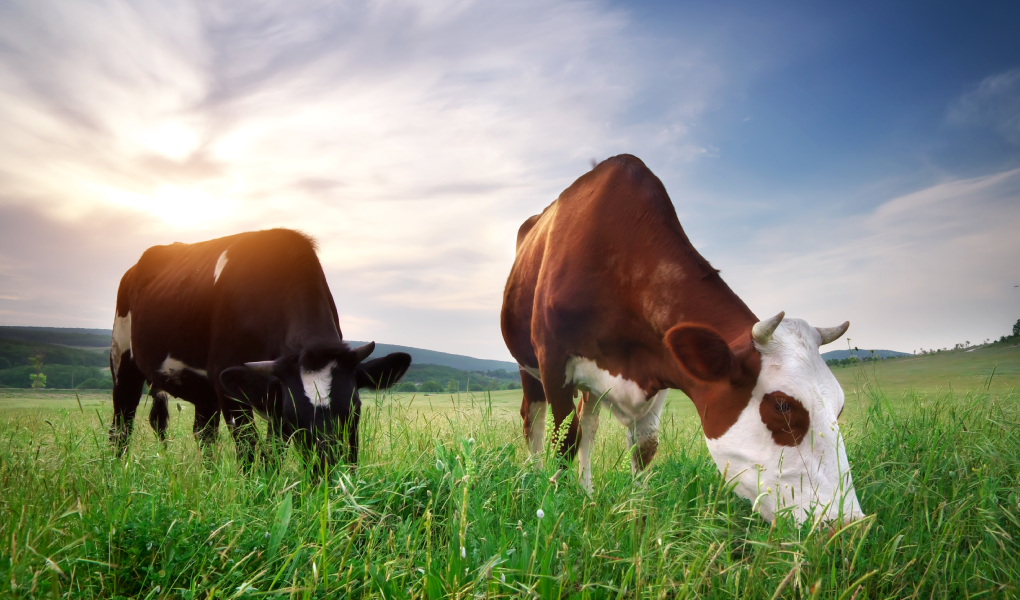
Grass-Fed Beef: The Natural Path
Grass-fed cattle spend their lives grazing on open pastures, eating a diet that is natural to their biology. This method of farming is often seen as more aligned with the spirit of **Halal and Tayyib**, as it allows the animal to live in a more natural environment with less stress. Nutritionally, grass-fed beef is known to be leaner and higher in beneficial nutrients like **Omega-3 fatty acids** and **Vitamin E**. Many consumers also prefer the more robust, “earthy” flavor of grass-fed beef, which reflects the animal’s natural diet.
Grain-Fed Beef: Consistency and Marble
Grain-fed cattle are typically finished on a diet of corn or soy, which leads to faster growth and significantly more intramuscular fat, known as **marbling**. This results in meat that is often more tender and have a milder, buttery flavor that many people enjoy in steaks and burgers. From a Halal perspective, the primary concern with grain-feeding is the **source of the feed**. Certification bodies verify that the grain does not contain any animal-derived byproducts or Haram additives, ensuring that the meat remains pure and permissible.
Making the Best Choice
The choice between grass-fed and grain-fed often comes down to personal preference and budget. Grass-fed beef is generally more expensive due to the longer time it takes for the animals to mature on pasture. However, for those who prioritize animal welfare and the highest levels of Tayyib, many believe it is worth the investment. Grain-fed beef remains a high-quality and delicious option for those who prefer its specific texture and flavor, provided it is properly Halal certified. Ultimately, whichever you choose, ensure that you are buying from a reputable, certified source.
Conclusion
Whether you choose grass-fed or grain-fed Halal beef, you are making a commitment to quality and faith. By understanding the differences in how these animals are raised, you can align your purchases with your personal health goals and ethical values. Both paths offer wholesome nutrition, provided they are managed with integrity and respect for the Creator’s laws. As you sit down to a meal of pure Halal beef, let it be a reminder of the many blessings in our food supply and the importance of being a mindful consumer. Choose the best for your family, and let your table be a place of health, gratitude, and Tayyib living. Always look for the Halal Mark of Quality.