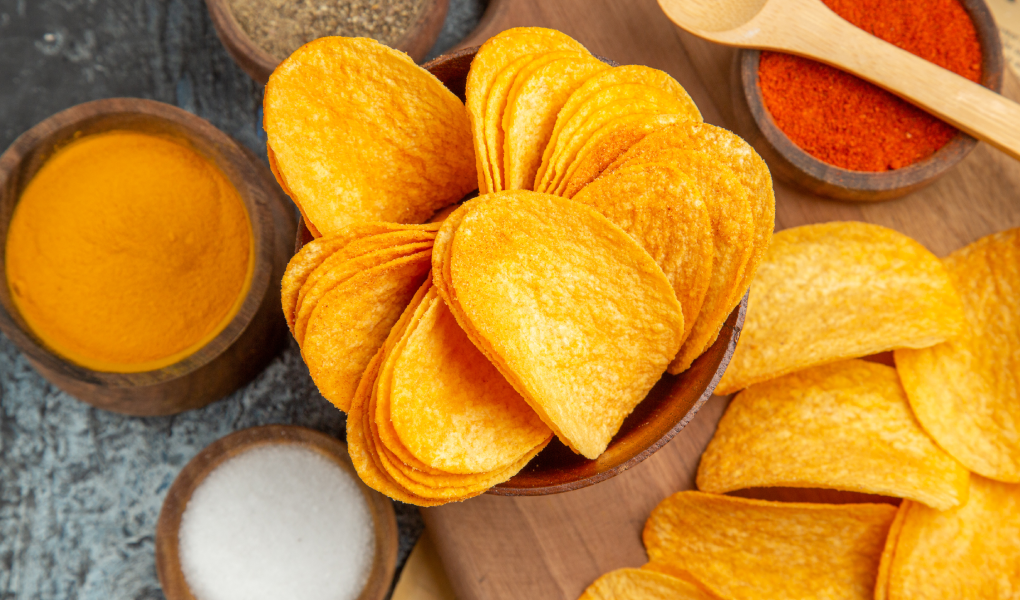


In today’s food industry, many products are designed to stay fresh for long periods so they can be transported, stored, and sold without spoiling quickly. One of the key factors that make this possible is the use of shelf-life enhancers. These ingredients help maintain the quality, safety, and freshness of food products for longer periods.
For halal-conscious consumers, understanding shelf-life enhancers is especially important because some additives may contain non-halal ingredients or alcohol-based compounds. Knowing how these enhancers work can help you make informed choices when buying packaged foods and snacks.
At Halal Edible, we explore what shelf-life enhancers are, how they work, the types used in food products, and how to choose halal-friendly options.
What Are Shelf-Life Enhancers?
Shelf-life enhancers are ingredients or techniques used to extend the freshness and usability of food products. They slow down the natural processes that cause food to spoil, such as bacterial growth, oxidation, and moisture loss.
Without shelf-life enhancers, many foods would spoil quickly, leading to food waste and safety risks.
Shelf-life enhancers can include:
- Food preservatives
- Antioxidants
- Packaging technologies
- Natural antimicrobial ingredients
These methods help food manufacturers keep products safe and fresh during transportation, storage, and retail display.
Why Shelf-Life Enhancement Is Important
Shelf-life enhancement plays a vital role in the modern food industry.
1. Reduces Food Waste
Food spoilage is a major global problem. Shelf-life enhancers help extend the usability of products, reducing the amount of food that gets discarded.
2. Maintains Food Safety
Certain additives prevent the growth of harmful bacteria, mold, and yeast, making packaged foods safer for consumers.
3. Improves Product Quality
Shelf-life enhancers help preserve:
- Flavor
- Texture
- Color
- Nutritional value
This ensures that food tastes the same even after weeks or months on store shelves.
4. Supports Global Distribution
Many foods are shipped across long distances. Shelf-life enhancers ensure that products remain safe and fresh by the time they reach consumers.
Common Types of Shelf-Life Enhancers
There are several types of shelf-life enhancers used in food products.
Preservatives
Preservatives are one of the most common shelf-life enhancers. They slow the growth of microorganisms that cause food spoilage.
Examples include:
- Sodium benzoate
- Potassium sorbate
- Calcium propionate
These ingredients are commonly used in baked goods, candies, sauces, and beverages.
Antioxidants
Antioxidants prevent oxidation, which can cause food to become rancid or lose flavor.
Common antioxidants include:
- Vitamin C (ascorbic acid)
- Vitamin E (tocopherols)
- Citric acid
These ingredients are often used in snacks, oils, and processed foods.
Natural Shelf-Life Enhancers
Some natural ingredients can also help extend shelf life.
Examples include:
- Salt
- Sugar
- Vinegar
- Honey
- Lemon juice
These ingredients have been used for centuries to preserve food naturally.
Packaging Technology
Modern packaging methods also contribute to longer shelf life.
Examples include:
- Vacuum packaging
- Modified atmosphere packaging
- Airtight sealing
These techniques limit oxygen exposure and reduce bacterial growth.
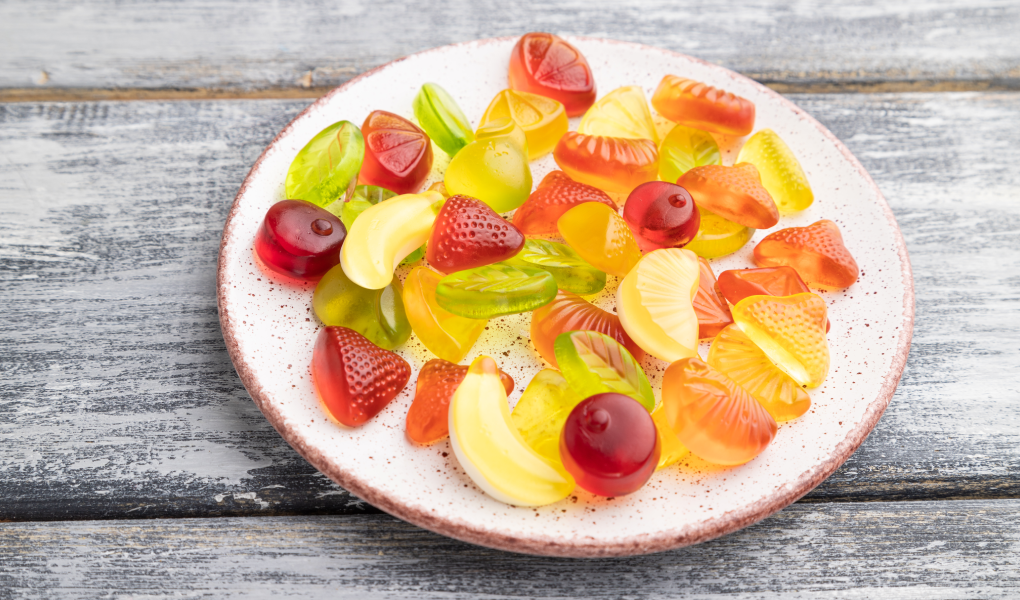
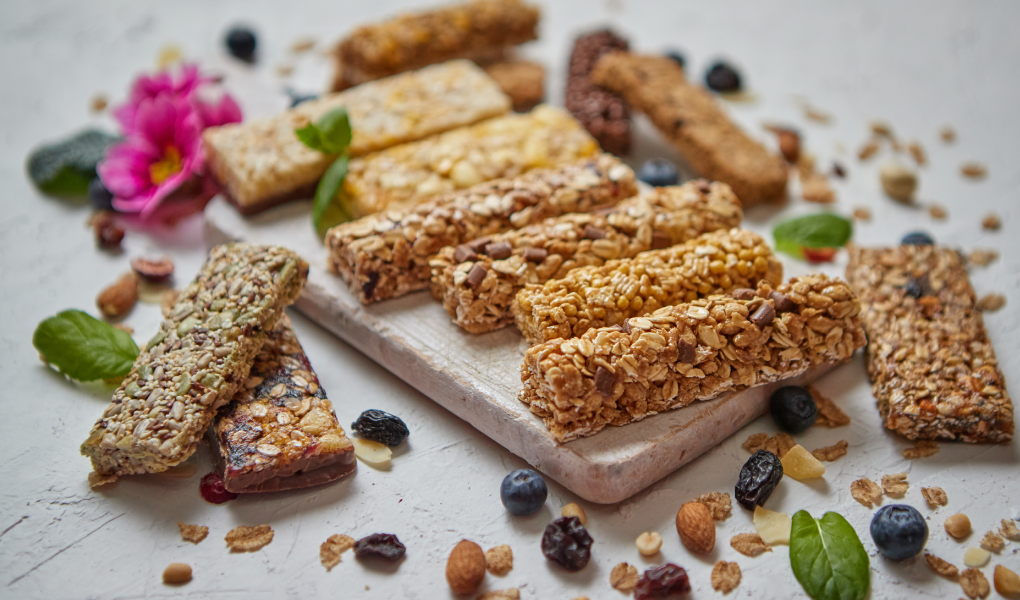
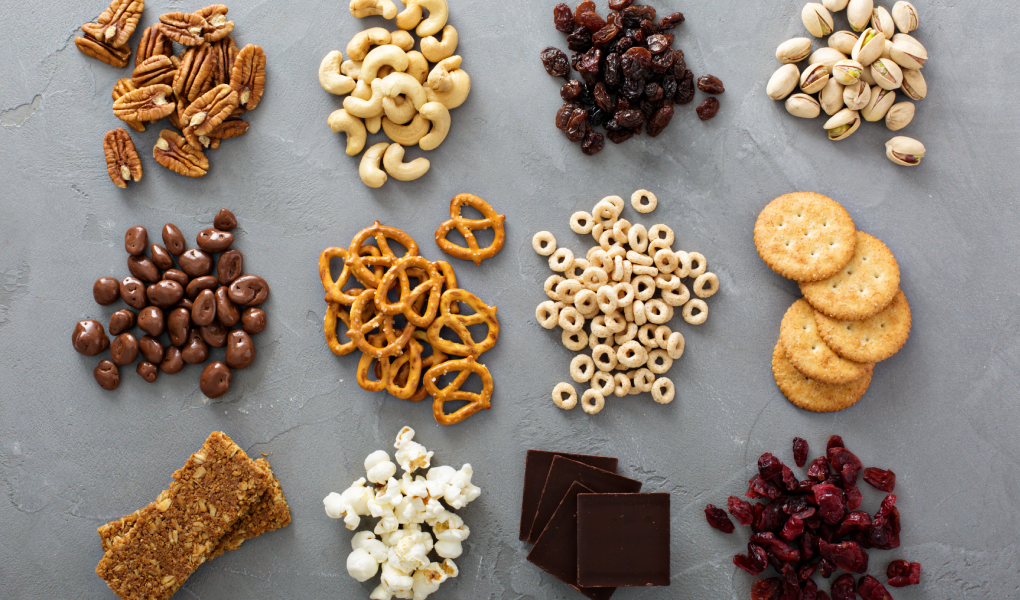
Shelf-Life Enhancers in Candy and Snacks
Candy and snack products often rely on shelf-life enhancers to maintain freshness.
Some common ingredients used in candies include:
- Citric acid for flavor preservation
- Natural or artificial preservatives
- Sugar and corn syrup as natural stabilizers
- Antioxidants to protect flavor
Because candy contains high sugar levels, it naturally resists bacterial growth, but shelf-life enhancers still help maintain texture and taste.
Halal Considerations for Shelf-Life Enhancers
For Muslims, it is important to ensure that shelf-life enhancers comply with halal dietary standards.
Alcohol-Based Preservatives
Some preservatives may contain alcohol-based solvents used during production. These may raise halal concerns depending on their source and quantity.
Animal-Derived Additives
Certain additives might be derived from animal sources that are not halal.
Examples include:
- Non-halal enzymes
- Animal-derived stabilizers
Cross-Contamination
If food is processed in facilities that also produce non-halal products, cross-contamination can occur.
This is why halal certification is important when purchasing packaged foods.
Natural vs Artificial Shelf-Life Enhancers
Shelf-life enhancers can be divided into two main categories.
Natural Shelf-Life Enhancers
Natural options come from plants or natural processes.
Examples include:
- Vinegar
- Salt
- Citrus extracts
- Rosemary extract
- Honey
Natural enhancers are often preferred by consumers who want clean-label or minimally processed foods.
Artificial Shelf-Life Enhancers
Artificial enhancers are chemically produced preservatives designed to prevent spoilage.
Examples include:
- Sodium benzoate
- BHA and BHT
- Sorbates
While these additives are approved for food safety in many countries, some consumers prefer to avoid them.
Tips for Choosing Foods with Safe Shelf-Life Enhancers
If you want to make healthier and halal-friendly choices, consider the following tips.
Read Ingredient Labels
Always review ingredient lists carefully to identify preservatives and additives.
Look for Halal Certification
Halal-certified products ensure that ingredients and manufacturing processes comply with Islamic dietary guidelines.
Choose Natural Options When Possible
Foods preserved with natural ingredients like salt, vinegar, or citrus extracts may be a better choice.
Avoid Excessively Processed Foods
Highly processed foods often contain multiple additives and preservatives.
Are Shelf-Life Enhancers Safe?
Most shelf-life enhancers used in food products are approved by international food safety authorities, including:
- FDA (Food and Drug Administration)
- EFSA (European Food Safety Authority)
- WHO (World Health Organization)
When used within approved limits, these additives are considered safe.
However, excessive consumption of highly processed foods containing many additives may not be ideal for long-term health.
The Future of Shelf-Life Enhancement
Food manufacturers are increasingly exploring natural preservation technologies to meet consumer demand for healthier products.
Some emerging innovations include:
- Plant-based preservatives
- Fermentation-based preservation
- Natural antimicrobial extracts
- Improved packaging technologies
These developments aim to extend shelf life while reducing reliance on artificial additives.
Final Thoughts
Shelf-life enhancers play a crucial role in keeping food products safe, fresh, and accessible to consumers around the world. From preservatives and antioxidants to advanced packaging methods, these techniques help maintain food quality and reduce waste.
For halal-conscious consumers, it is important to understand the ingredients used in shelf-life enhancement and choose products with halal certification whenever possible.
At Halal Edible, we encourage readers to stay informed about food ingredients, read labels carefully, and select products that align with both health and halal dietary principles.
By making thoughtful choices, you can enjoy packaged foods and snacks while ensuring they remain safe, halal, and high quality.