

Food stabilizers are commonly used in processed foods, beverages, dairy products, and desserts to maintain texture, prevent separation, and improve shelf life. From creamy sauces to plant-based milks, stabilizers help products look and taste consistent.
However, for halal-conscious consumers, stabilizers can raise important dietary concerns. Some stabilizers are derived from animal sources that may not be halal, while others are synthetic or plant-based. Understanding the origin, purpose, and halal compliance of food stabilizers is essential for making informed food choices.
At Halal Edible, we provide a comprehensive guide to help you navigate the world of food stabilizers and ensure your diet aligns with Islamic dietary laws.
What Are Food Stabilizers?
Food stabilizers are additives used to maintain the physical and chemical integrity of food products. They help prevent ingredients from separating, settling, or crystallizing, ensuring a smooth and consistent texture.
Common functions of food stabilizers include:
- Preventing separation of oil and water in sauces, dressings, or beverages
- Maintaining creaminess in dairy products like yogurt, ice cream, and milk
- Improving texture and mouthfeel in jams, jellies, and desserts
- Extending shelf life by stabilizing ingredients
Without stabilizers, many packaged foods would quickly lose their texture, consistency, or appearance, reducing both quality and consumer satisfaction.
Common Types of Food Stabilizers
Food stabilizers can be derived from plants, animals, or synthetic sources. Knowing the source is key for halal compliance.
1. Gelatin
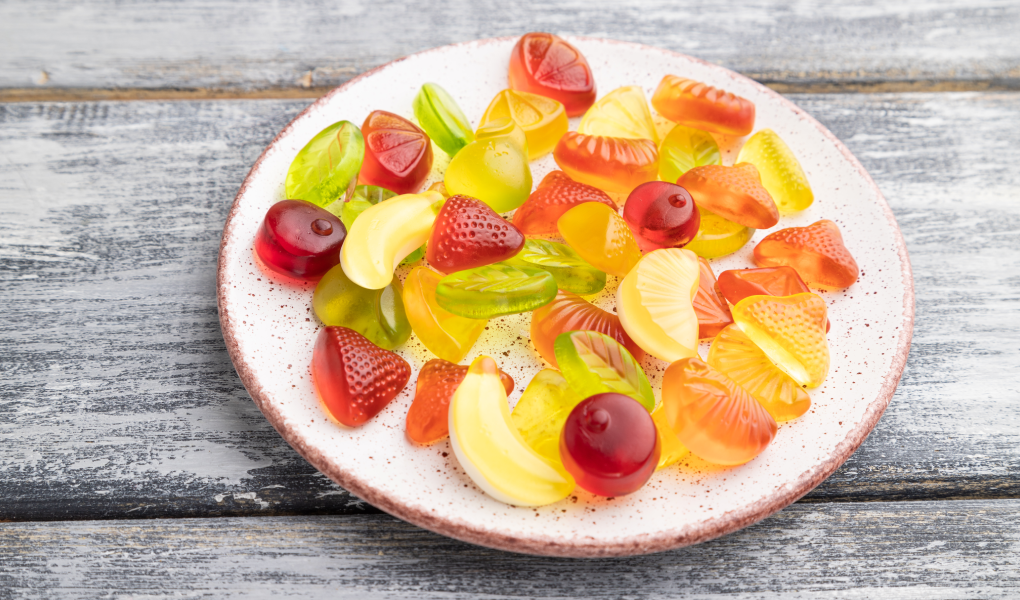
Gelatin is one of the most widely used stabilizers in desserts, gummy candies, marshmallows, and yogurt.
- Source: Animal collagen, usually from pork or non-halal slaughtered cattle
- Halal Concerns: Gelatin from pork is strictly haram. Gelatin from halal-slaughtered animals may be permissible if certified.
- Alternatives: Agar-agar, pectin, carrageenan
2. Pectin
Pectin is a plant-derived stabilizer obtained from citrus fruits or apples.
- Uses: Jams, fruit gummies, yogurts, and beverages
- Halal Status: Generally considered halal, as it comes from plants
- Benefits: Natural, clean-label stabilizer suitable for vegetarians and vegans
3. Carrageenan
Carrageenan is extracted from red seaweed and is used to thicken, stabilize, and improve texture in milk, dairy alternatives, and desserts.
- Uses: Plant-based milks, puddings, ice cream
- Halal Status: Usually halal, but it’s important to check for contamination in processing
- Considerations: Consumers with digestive sensitivities may need to avoid it
4. Agar-Agar
Agar-agar is another seaweed-based stabilizer used in jellies, desserts, and some beverages.
- Uses: Vegan gelatin alternatives, puddings, and custards
- Halal Status: Plant-based and halal-friendly
- Advantages: Works well as a gelling and stabilizing agent
5. Xanthan Gum
Xanthan gum is a polysaccharide produced by bacterial fermentation. It helps stabilize sauces, salad dressings, and gluten-free baked goods.
- Uses: Beverages, dairy, gluten-free foods
- Halal Status: Typically halal if the fermentation medium is free from non-halal sources
- Benefits: Natural and versatile stabilizer
6. Guar Gum
Guar gum is derived from guar beans and is used to thicken and stabilize foods.
- Uses: Ice cream, soups, sauces, baked goods
- Halal Status: Plant-based and generally halal
- Notes: Often used in halal-certified products
7. Synthetic Stabilizers
Some stabilizers are chemically synthesized.
- Examples: Polysorbates, propylene glycol alginate
- Halal Concerns: The source of these compounds and any processing aids must be checked for halal compliance
- Best Practice: Choose products with halal certification
Halal Concerns with Food Stabilizers
For Muslims, the halal status of stabilizers depends on three main factors:
1. Source of the Stabilizer
- Animal-derived stabilizers, like gelatin, may come from pork (haram) or non-halal cattle (haram unless certified)
- Plant-based stabilizers like pectin, agar-agar, and guar gum are generally halal
2. Processing Methods
- Some stabilizers may be processed using alcohol-based solvents or other non-halal processing aids
- Even plant-based stabilizers may lose their halal status if contaminated during processing
3. Cross-Contamination
- Stabilizers used in mixed production facilities may contact haram ingredients
- Halal certification ensures cross-contamination is avoided
How to Identify Halal Food Stabilizers
When shopping for processed foods, consider the following tips to ensure stabilizers are halal:
- Check for Halal Certification: Certified halal products are verified to use only permissible stabilizers and additives.
- Read Ingredient Labels: Look for familiar plant-based stabilizers such as pectin, agar-agar, xanthan gum, and guar gum.
- Avoid Animal-Derived Ingredients Without Certification: Gelatin and other animal-based stabilizers should be halal-certified.
- Choose Clean-Label Products: Natural stabilizers are often listed with simple names and are easier to verify.
- Buy Trusted Brands: Reputable halal brands usually provide transparency about the source and processing of stabilizers.
Common Foods That Contain Stabilizers
Food stabilizers are used across many categories, including:
- Dairy Products: Yogurt, cheese, cream, and milk alternatives
- Desserts: Puddings, custards, gelatin desserts, jellies
- Processed Meats: Sausages, luncheon meats, and nuggets
- Beverages: Fruit juices, plant-based milks, smoothies
- Confectionery: Gummies, marshmallows, and candy
Being aware of these foods helps consumers make informed halal choices.
Benefits of Using Halal-Compliant Stabilizers
Halal-friendly stabilizers provide several advantages:
- Maintain food safety and quality
- Preserve texture and appearance naturally
- Allow Muslims to enjoy processed foods without compromising religious guidelines
- Often plant-based and vegan-friendly, supporting ethical and clean-label preferences
The Future of Halal Food Stabilizers
As the halal food market grows, manufacturers are increasingly using natural and plant-based stabilizers. Trends include:
- Increased use of agar-agar, pectin, and carrageenan
- Development of fermentation-based stabilizers
- Transparent labeling for halal compliance
- Clean-label products that avoid synthetic additives
These trends ensure halal consumers can enjoy safe, high-quality processed foods with confidence.
Final Thoughts
Food stabilizers play an essential role in maintaining the quality, texture, and shelf life of many everyday foods. For halal-conscious consumers, it is important to consider:
- The source of the stabilizer
- How it is processed
- Whether the product carries halal certification
Plant-based stabilizers such as pectin, agar-agar, xanthan gum, and guar gum are generally halal and safe choices. Animal-derived stabilizers like gelatin require careful scrutiny and halal verification.
At Halal Edible, we encourage consumers to read labels, choose halal-certified products, and prefer natural or clean-label stabilizers whenever possible. This ensures that processed foods are safe, high-quality, and aligned with Islamic dietary principles, allowing families to enjoy a variety of delicious and wholesome foods with confidence.