
Preservatives are essential in modern food production. They prolong shelf life, prevent spoilage, and maintain quality, especially in packaged snacks, beverages, and processed foods. However, for halal-conscious consumers, not all preservatives are permissible. Some may contain haram ingredients or be derived from non-halal sources.
At Halal Edible, we provide a comprehensive guide on preservatives that are halal, their types, uses, and how to identify safe options for your family.
What Are Food Preservatives?
Food preservatives are substances added to food to prevent decay, microbial growth, and chemical changes. They help:
- Prevent spoilage: Stop bacteria, yeast, and mold from growing
- Maintain freshness: Retain color, flavor, and texture
- Extend shelf life: Make foods safe for consumption over longer periods
- Enhance safety: Reduce risk of foodborne illnesses
Tip: Preservatives are not harmful when used within regulated limits; they ensure food remains safe, edible, and tasty.
Types of Halal-Friendly Preservatives
1. Natural Preservatives
These preservatives are derived from plants, fruits, or minerals and are generally halal:
- Salt (Sodium Chloride): Used in meats, pickles, and snacks
- Sugar: Acts as a preservative in jams, syrups, and candies
- Vinegar: Preserves pickles, sauces, and condiments
- Lemon Juice / Citric Acid: Prevents oxidation and microbial growth in beverages and fruit products
- Rosemary Extract: Natural antioxidant for oils and snacks
- Ascorbic Acid (Vitamin C): Prevents discoloration and oxidation in fruits and juices
Tip: Natural preservatives are not only halal but often add nutritional value and are preferred by health-conscious consumers.
2. Halal-Approved Synthetic Preservatives
Some synthetic preservatives are safe for halal consumption if derived from permissible sources:
- Sodium Benzoate: Used in soft drinks, juices, and sauces
- Potassium Sorbate: Common in jams, jellies, and baked goods
- Calcium Propionate: Found in bread and baked goods
- Sorbic Acid: Prevents mold and yeast in snacks and processed foods
Important: Always check halal certification, as the production method must avoid haram sources like alcohol or non-halal animal derivatives.
3. Nature-Identical Preservatives
- These are chemically identical to natural compounds but produced via lab methods
- Examples include ascorbic acid (Vitamin C), citric acid, and tocopherols (Vitamin E)
- Provide stability and longer shelf life while being halal-friendly
How Preservatives Are Used
Preservatives are added to foods in very small amounts to maintain safety and quality:
- Bakery: Bread, pastries, and cookies
- Beverages: Soft drinks, juices, and flavored waters
- Dairy Products: Yogurts, cheeses, and milk-based drinks
- Meat & Poultry: Halal-certified frozen or packaged products
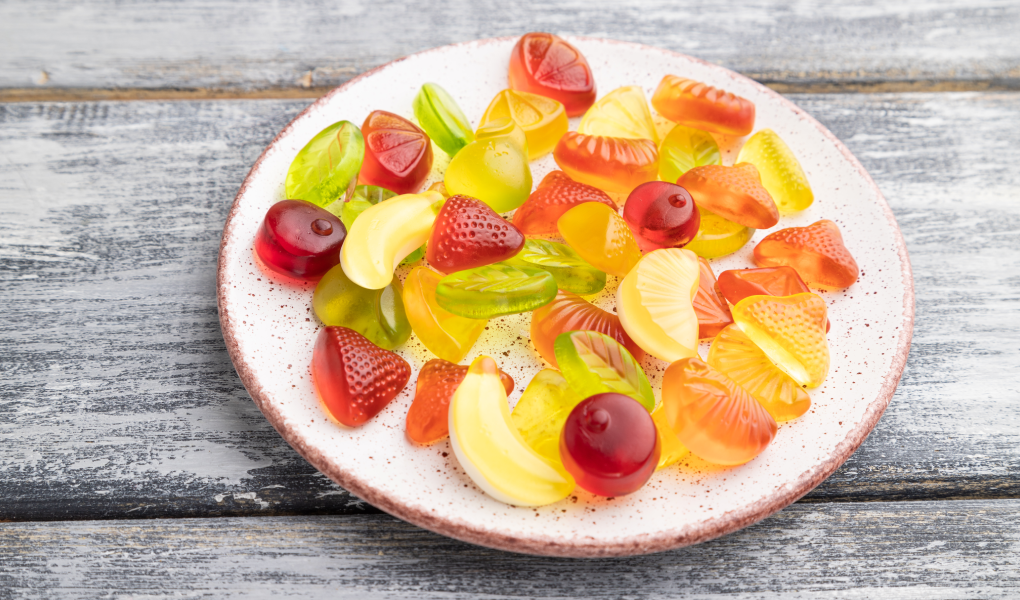
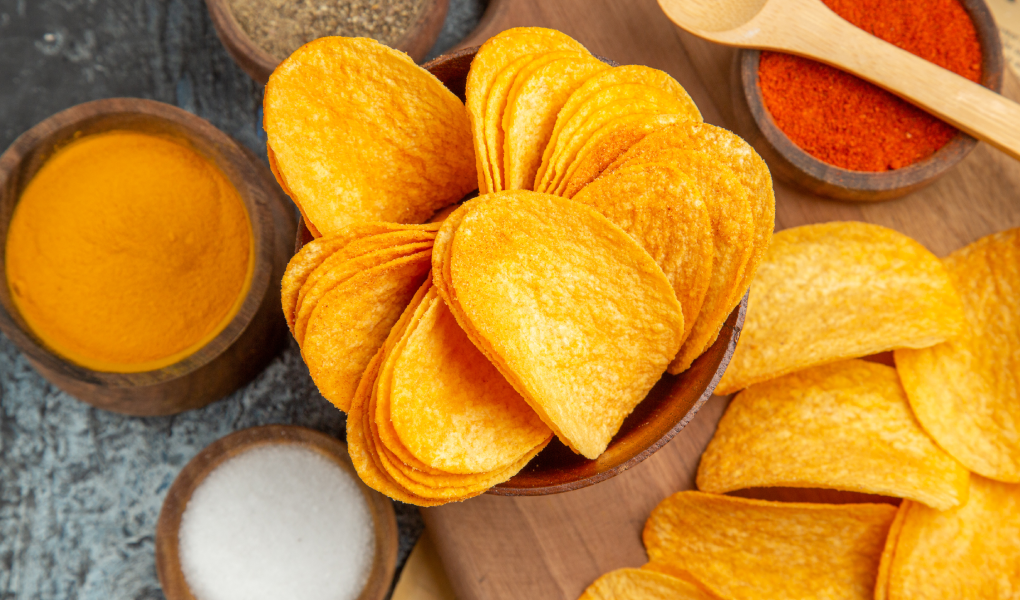
- Snacks & Candies: Gummies, chocolates, and chips
- Sauces & Condiments: Ketchup, mayonnaise, and pickles
Tip: Proper use ensures foods remain safe for longer periods without affecting taste or appearance.
How to Identify Halal Preservatives
- Check Certification: Halal logos from IFANCA, HFC, ISA, or recognized authorities ensure the preservative is permissible
- Read Ingredients: Avoid preservatives derived from pork, non-halal animals, or alcohol-based sources
- Look for Plant or Mineral-Based Options: Salt, sugar, vinegar, citric acid, and tocopherols are generally halal
- Check Processing Methods: Even halal ingredients may become haram if processed with non-halal solvents or alcohol
Tip: Many packaged foods include halal certification to indicate all preservatives and additives are permissible.
Common Misconceptions About Halal Preservatives
- “All preservatives are haram.”
- Many preservatives are plant, mineral, or lab-derived and fully halal
- “Natural preservatives are always better.”
- Both natural and synthetic preservatives are safe if halal-certified; synthetic ones offer longer shelf life and consistency
- “Preservatives are harmful.”
- Regulatory bodies like FDA and EFSA approve preservatives for safe consumption within limits
- “Halal foods never contain preservatives.”
- Halal foods can contain preservatives, as long as they are permissible and safe
Tips for Choosing Halal Preservatives
- Prefer Halal-Certified Brands: Especially for processed snacks, beverages, and frozen foods
- Balance Natural and Synthetic: For long shelf life, halal-certified synthetic preservatives are acceptable
- Moderate Processed Foods: Even halal snacks with preservatives should be eaten in moderation
- Use Homemade Alternatives: Vinegar, salt, sugar, lemon juice, and spices are excellent halal preservative options for home-cooked foods
- Educate Children: Explain that preservatives are safe and ensure them that halal-certified foods are permissible
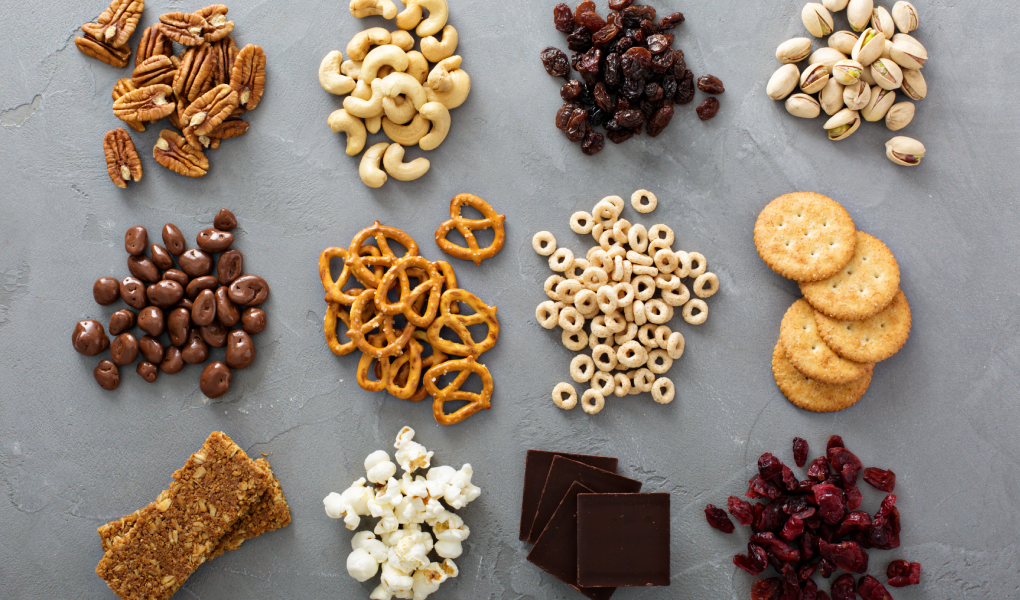
Safe Preservatives for Halal Kids’ Snacks
For children, parents should focus on safe and natural preservatives:
- Salt and Sugar: For jams, cookies, and candies
- Citric Acid / Lemon Juice: Prevents oxidation in juices and fruit-based snacks
- Rosemary Extract or Tocopherols: Safe in snacks and baked goods
- Halal-Certified Synthetic Preservatives: Sodium Benzoate, Potassium Sorbate, or Calcium Propionate
Tip: Homemade snacks using these preservatives are healthier and give full control over safety and halal compliance.
Advantages of Using Halal Preservatives
- Ensure Safety: Prevent microbial growth and foodborne illnesses
- Extend Shelf Life: Halal products remain fresh for longer periods
- Maintain Quality: Color, flavor, and texture are preserved
- Convenience: Makes packaged and frozen halal foods accessible to consumers
- Peace of Mind: Halal certification ensures permissibility
Final Thoughts
Preservatives are an important part of modern food production, but halal-conscious consumers must carefully select permissible options. Both natural and synthetic preservatives can be halal if sourced, processed, and certified properly.
Key takeaways from Halal Edible:
- Halal preservatives include plant, mineral, and lab-derived substances
- Common halal preservatives: salt, sugar, vinegar, citric acid, sodium benzoate, potassium sorbate
- Check halal certification and ingredient sources before consumption
- Homemade preservative solutions provide safety, control, and nutrition
- Educate families on safe, permissible, and effective preservative use
By understanding halal preservatives, families can enjoy safe, long-lasting, and tasty foods without compromising their dietary principles.