

Flavorings are an essential part of the foods and beverages we enjoy every day. From snacks, drinks, desserts, to ready-to-eat meals, flavors enhance taste, aroma, and overall eating experience. But have you ever wondered how these flavors are made and what makes them halal or safe for consumption?
At Halal Edible, we explain the process of making flavorings, the types of flavorings, their applications, and considerations for halal consumers.
What Are Flavorings?
Flavorings are substances added to food and drinks to give them a particular taste or aroma. They can be natural or synthetic:
- Natural Flavorings: Extracted from plant or animal sources
- Synthetic Flavorings: Chemically produced to mimic natural flavors
- Nature-Identical Flavorings: Chemically identical to natural flavors but produced in a lab
Flavorings can be used to enhance, replicate, or create new tastes in food products, making them appealing to consumers.
Types of Flavorings
1. Natural Flavorings
- Derived directly from plants, fruits, vegetables, herbs, or animal sources
- Examples: Vanilla extract from vanilla beans, citrus oils, or beef extract
- Often extracted using solvents, steam distillation, or cold pressing
Tip: Natural flavorings are generally considered safer but may have shorter shelf life and higher cost.
2. Synthetic Flavorings
- Chemically created to imitate natural flavors
- Examples: Vanillin (vanilla flavor), ethyl butyrate (pineapple flavor)
- Advantages: Cost-effective, consistent, and shelf-stable
3. Nature-Identical Flavorings
- Chemically identical to natural compounds
- Produced using chemical or fermentation methods
- Offer natural taste with industrial convenience
How Flavorings Are Made
Flavorings are produced through a series of complex processes. The production method depends on whether the flavor is natural, synthetic, or nature-identical.
1. Extraction from Natural Sources
Natural flavorings are extracted from plants, fruits, or spices:
a) Steam Distillation
- Used for essential oils and volatile compounds
- Example: Orange, lemon, or peppermint oils
- Process: Plant material is heated with steam; oils are condensed and collected
b) Solvent Extraction
- Suitable for delicate flavors that degrade with heat
- Solvents (like ethanol) dissolve flavor compounds from plants
- Solvent is later removed, leaving concentrated flavor extract
c) Cold Pressing
- Common for citrus fruits
- Mechanically pressing peel to extract oil
d) Enzyme or Fermentation Extraction
- Enzymes or microorganisms break down plant material to release flavor compounds
- Used for fruit flavors, chocolate, and cheese aromas
2. Chemical Synthesis
Synthetic flavorings are produced entirely in labs:
- Chemists identify the key molecules responsible for a particular flavor
- These molecules are combined or synthesized from chemical precursors
- Example: Vanillin can be made from guaiacol, lignin, or other compounds
- Produces flavors that are consistent, long-lasting, and cost-effective
Tip: Synthetic flavorings are widely used in beverages, candies, and processed foods.
3. Nature-Identical Production
Nature-identical flavorings replicate natural compounds chemically or biologically:
- Chemically: Synthesized from precursors to match natural molecular structure
- Biotechnologically: Produced via fermentation using microbes
- Advantages: Same taste as natural flavor, stable for industrial use
How Flavors Are Used in Food
Flavorings are highly versatile:
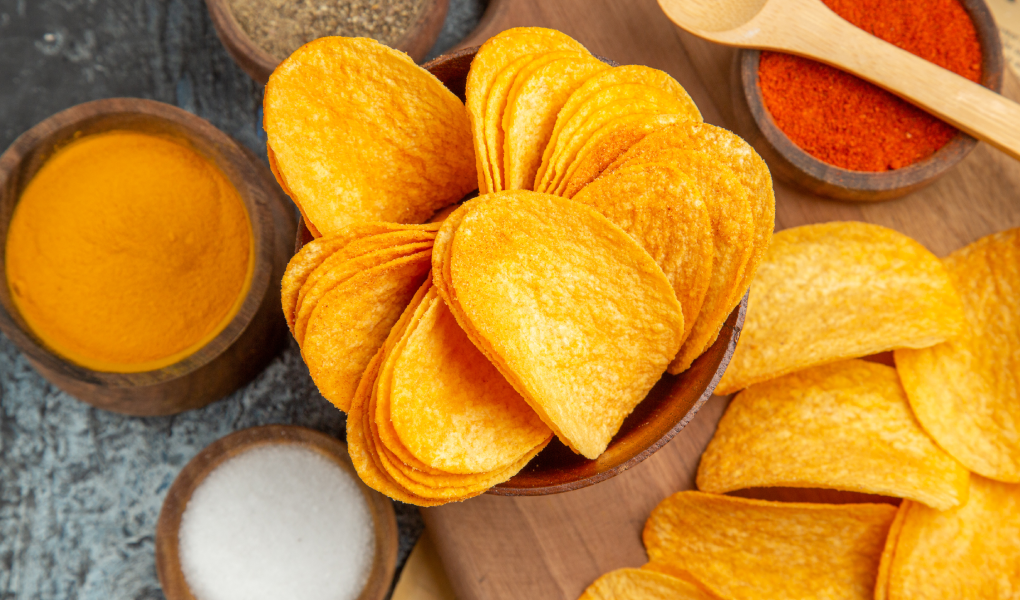
- Snacks and Confectionery: Chips, candies, chocolate
- Beverages: Soft drinks, juices, flavored teas, coffee syrups
- Bakery: Cakes, cookies, pastries
- Ready-to-Eat Meals: Sauces, soups, seasonings
- Dairy Products: Ice cream, yogurts, cheese spreads
Tip: Flavorings may also mask off-flavors from processed foods.
Halal Considerations in Flavorings
For Muslim consumers, halal compliance is critical:
- Source Matters
- Natural flavorings from halal animals are permissible
- Avoid flavors from pork, non-halal animals, or alcohol
- Alcohol Use
- Some flavor extraction uses ethanol as a solvent
- Halal certification ensures either alcohol is removed or within permissible limits
- Synthetic Flavorings
- Generally halal as long as no haram source chemicals are used
- Cross-contamination must be avoided in production
- Certification
- Look for IFANCA, HFC, or ISA certification on packaged foods
- Guarantees flavors and final product are halal
Health and Safety Considerations
- Regulated by Authorities: FDA (U.S.) and EFSA (Europe) oversee safety
- Allergens: Some flavors may contain trace allergens
- Moderation: Flavors add taste but not nutrition; balance with whole foods
- Artificial vs. Natural: Both are generally safe in small amounts
Common Misconceptions About Flavorings
- “All synthetic flavors are unsafe.”
- Synthetic flavors are regulated and used in very small quantities, safe for consumption
- “Natural flavors are always halal.”
- Natural flavors from haram animals or alcohol-containing extraction may not be halal
- “Flavorings add calories.”
- Most flavorings do not add significant calories, though flavored products may
- “All flavors are artificial chemicals.”
- Many flavorings are natural or nature-identical, mimicking real foods
Tips for Halal Consumers
- Check Certification: Always buy halal-certified products
- Read Labels: Look for flavor descriptions and ingredient sources
- Homemade Options: Use fresh fruit, herbs, spices, and halal extracts for natural flavors
- Educate Kids: Teach them about natural vs synthetic flavors to encourage conscious choices
- Balance Diet: Flavorings enhance taste but do not replace nutrition
Final Thoughts
Understanding how flavorings are made helps consumers make informed choices about taste, safety, and halal compliance. Both natural and synthetic flavors have a place in modern food production, but halal certification ensures ethical and permissible consumption.
Key takeaways from Halal Edible:
- Flavorings can be natural, synthetic, or nature-identical
- Natural extraction uses steam, solvents, cold pressing, or enzymes
- Synthetic flavors are chemically manufactured for consistency and stability
- Halal compliance depends on source, processing, and certification
- Always balance flavor-enhanced foods with whole, nutritious meals
With this knowledge, halal-conscious families can enjoy delicious, safe, and flavorful foods without compromising dietary principles.