
Flavorings play a crucial role in making food delicious, enjoyable, and memorable. From savory dishes to sweet treats, the right flavorings can transform simple ingredients into culinary delights. For halal-conscious consumers, it’s important to ensure that flavorings are permissible under Islamic dietary laws and free from non-halal additives.
At Halal Edible, we provide this comprehensive guide to help families, cooks, and food brands understand halal food flavorings, their sources, and how to use them safely.
What Are Food Flavorings?
Food flavorings are substances added to food to impart taste or aroma. They are widely used in:
- Baked goods, desserts, and beverages
- Sauces, soups, and seasonings
- Snacks and processed foods
Flavorings can be natural or artificial, liquid or powdered, and sometimes concentrated for stronger impact.
Types of Food Flavorings
1. Natural Flavorings
Natural flavorings are derived from plant, animal, or microbial sources. Examples include:
- Vanilla extract (from vanilla beans)
- Citrus extracts (lemon, orange, lime)
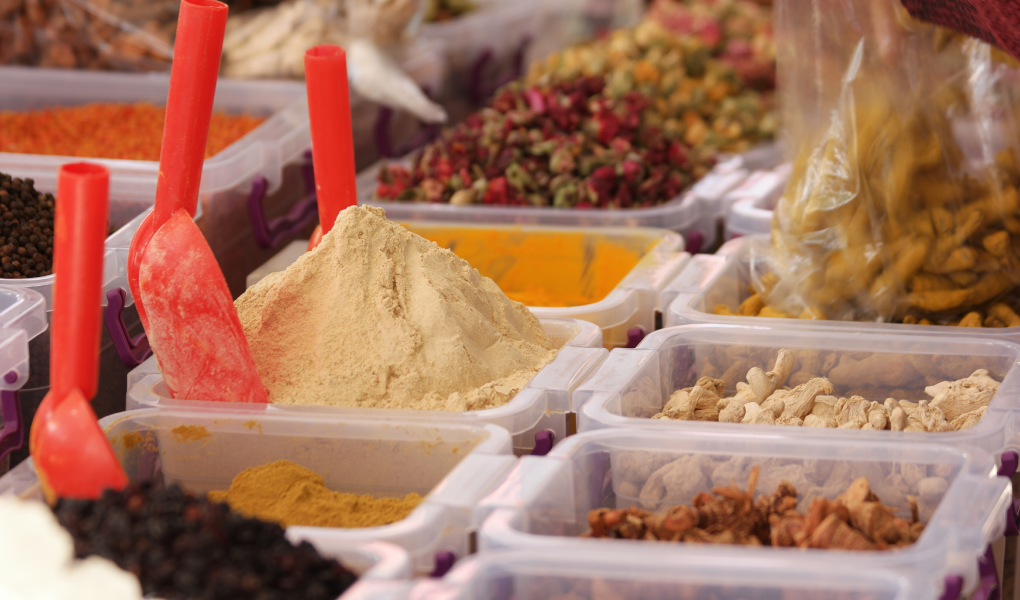
- Herbs and spices (cinnamon, cardamom, turmeric)
- Fruit purees (apple, strawberry, date)
Halal Considerations:
- Ensure that natural extracts do not contain alcohol-based solvents in high concentrations.
- Confirm that any animal-derived flavors are sourced from halal animals and processed according to halal standards.
2. Artificial Flavorings
Artificial flavorings are chemically synthesized to mimic natural tastes. Examples include:
- Ethyl vanillin (vanilla flavor)
- Artificial fruit flavors (strawberry, cherry, lemon)
Halal Considerations:
- Check labels for non-halal solvents, emulsifiers, or stabilizers.
- Look for halal certification to ensure compliance.
Artificial flavors are often used in mass-produced products like candies, soft drinks, and packaged snacks.
3. Nature-Identical Flavorings
Nature-identical flavorings are synthetic compounds that chemically match natural flavor molecules. For example, vanillin produced synthetically to match vanilla.
Halal Considerations:
- Verify that production does not involve non-halal alcohol or animal-based catalysts.
- Certified halal nature-identical flavorings are safe for use in food products.
4. Essential Oils
Essential oils are concentrated liquids extracted from plants, providing strong flavors and aromas. Common examples:
- Lemon oil
- Peppermint oil
- Orange oil
Halal Considerations:
- Ensure oils are 100% plant-based and free from alcohol-based solvents.
- Avoid oils derived from non-halal animal sources or mixed with non-permissible carriers.
Common Halal Food Flavorings
Here’s a list of popular halal flavorings used in everyday cooking and food production:
- Vanilla Extract: Sweet, aromatic flavor for desserts, cakes, and beverages.
- Cinnamon and Cardamom: Popular in Middle Eastern and South Asian dishes.
- Lemon or Orange Zest: Adds fresh citrus notes to baked goods and drinks.
- Nut Extracts: Almond or hazelnut flavorings for pastries and confections.
- Herbal Flavors: Mint, basil, rosemary, and thyme enhance savory meals.
- Fruit Concentrates: Strawberry, raspberry, and date syrups for sweets.
- Chocolate and Cocoa Flavors: Must be halal-certified, especially processed blends.
Halal Certification and Flavorings
Halal certification ensures that flavorings and food additives comply with Islamic dietary laws. When choosing flavorings, consider:
- Source Verification: Confirm plant-based or halal animal origin.
- Processing Methods: Avoid alcohol-based solvents unless evaporated and halal-certified.
- Additives Check: Some stabilizers or carriers may not be halal.
- Trusted Certification Logos: Look for reputable halal certifying bodies.
Halal-certified flavorings are widely available for home cooking, professional kitchens, and food manufacturing.
How to Use Halal Flavorings Safely
- Read Labels Carefully: Look for ingredients and halal certification marks.
- Measure Appropriately: Concentrated flavorings are potent; a few drops may suffice.
- Check Compatibility: Ensure flavors match the dish (e.g., citrus for desserts, herbs for savory meals).
- Store Properly: Keep in cool, dry, and dark places to preserve aroma and potency.
- Avoid Non-Halal Carriers: Some flavorings may contain alcohol or animal-based emulsifiers—always verify.
Halal Flavorings in Everyday Cooking
1. Baking
- Use vanilla extract, almond extract, or fruit purees for cakes, cookies, and muffins.
- Blend cinnamon, cardamom, or nutmeg into bread, pies, or pastries.
2. Beverages
- Add peppermint, lemon, or vanilla flavorings to tea, coffee, smoothies, or milkshakes.
- Sweeten with halal-certified syrups like date syrup or maple for flavor and sweetness.
3. Savory Dishes
- Enhance soups and stews with herb and spice extracts.
- Use garlic, onion, and paprika powders to enrich meat, rice, or vegetable dishes.
4. Snacks and Desserts
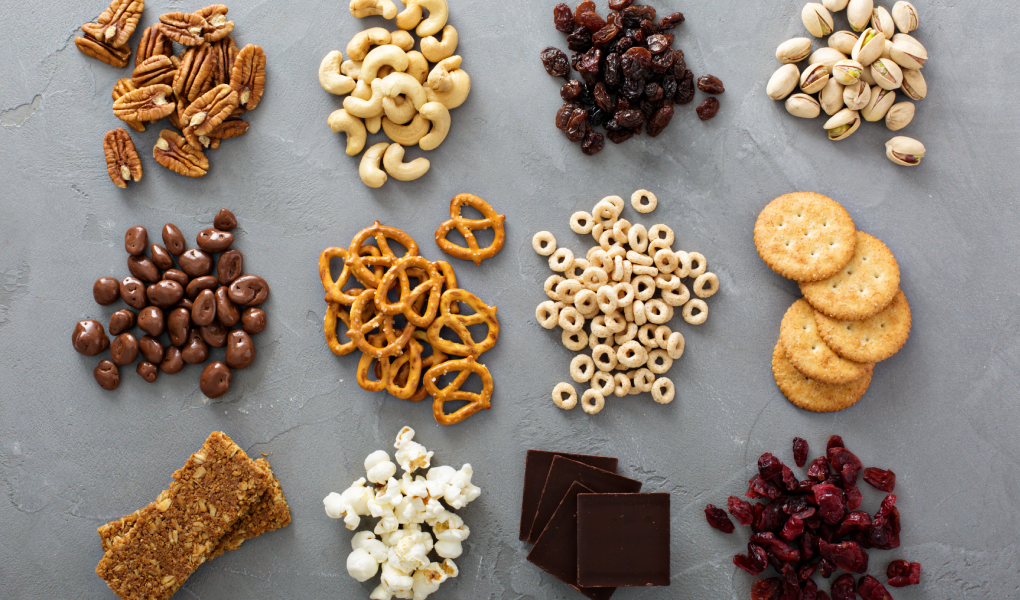
- Flavored nuts or trail mixes can include halal vanilla, chocolate, or fruit flavorings.
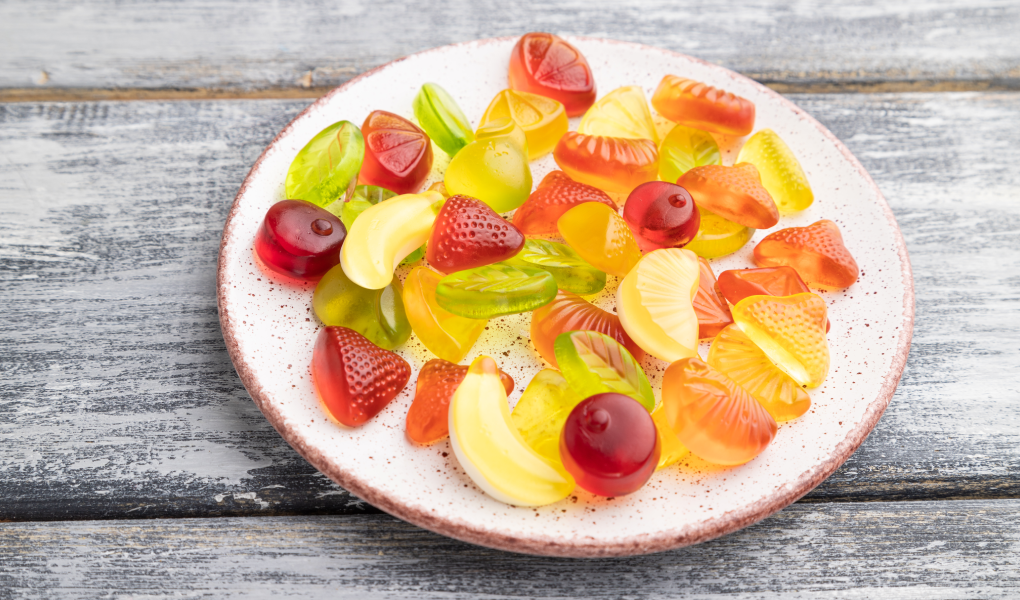
- Homemade gummies, marshmallows, and candies can use halal-certified extracts for taste.
Tips for Home Cooks and Food Producers
- Start with Small Amounts: Concentrated flavorings are strong; too much can overpower dishes.
- Combine Flavors: Mixing complementary flavors like vanilla and cinnamon can create depth in baked goods.
- Experiment with Halal-Friendly Blends: Try fruit concentrates with herbs for innovative flavors.
- Avoid Artificial Additives if Desired: Choose natural or nature-identical halal-certified flavorings for cleaner labels.
- Educate Family or Consumers: Ensure everyone knows the flavorings are halal and safe for all age groups.
Benefits of Using Halal Flavorings
- Religious Compliance: Ensures adherence to Islamic dietary laws.
- Safety and Transparency: Avoids non-halal alcohols or additives.
- Health-Friendly Options: Natural and plant-based flavorings offer antioxidants and nutrients.
- Versatility: Suitable for home cooking, professional kitchens, and industrial food production.
- Enhances Taste Without Compromising Ethics: Makes meals flavorful while respecting halal principles.
Final Thoughts
Flavorings are more than just a culinary accessory—they define taste, aroma, and food enjoyment. For halal-conscious consumers, it’s important to choose flavorings that are permissible, safe, and high-quality.
By understanding the types of flavorings, checking halal certification, and using them thoughtfully, families and food producers can:
- Create delicious meals, snacks, and desserts
- Maintain halal compliance and safety
- Introduce healthy, natural flavors without artificial or non-halal additives
At Halal Edible, we encourage using halal-certified natural, nature-identical, and plant-based flavorings to enrich your dishes while staying true to your dietary principles.