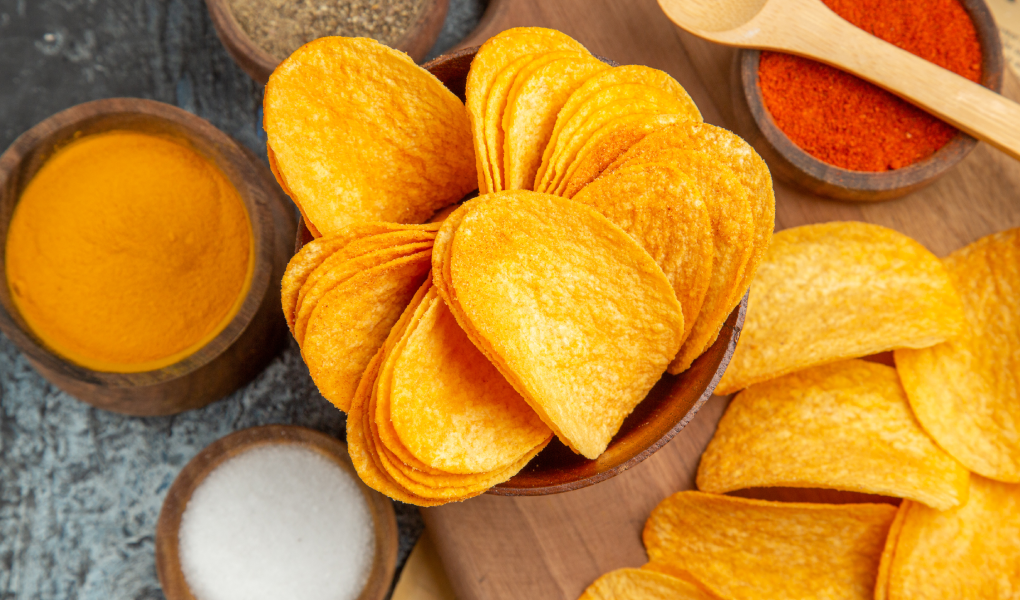

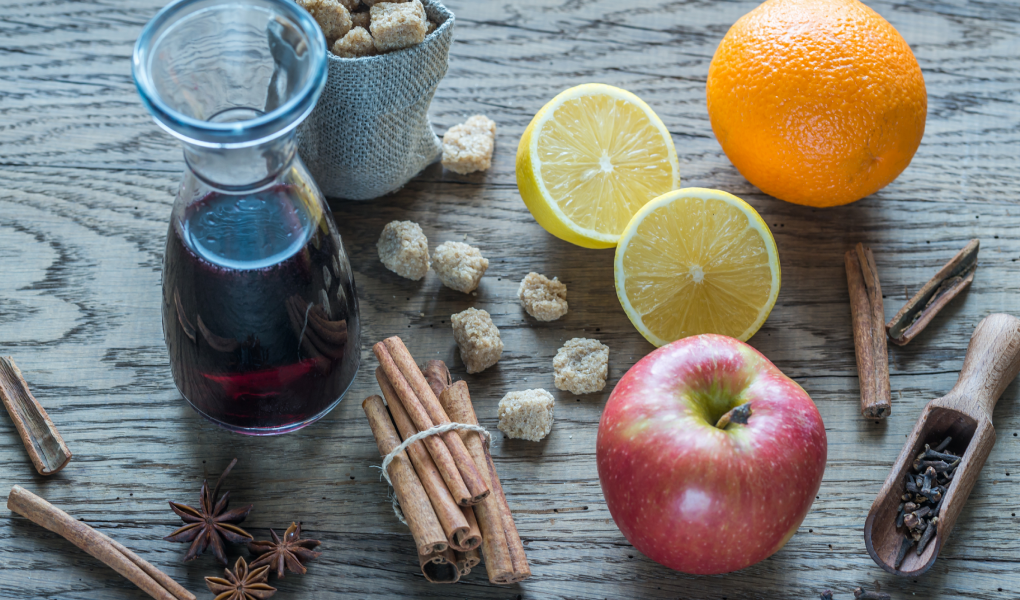
Flavorings are a cornerstone of modern cooking and food production. They make food aromatic, appealing, and memorable, whether it’s a homemade dessert, a savory dish, or a packaged snack. However, for halal-conscious consumers, understanding the differences between natural and artificial flavorings is essential to ensure both delicious taste and compliance with Islamic dietary laws.
At Halal Edible, we explore the differences between natural and artificial flavorings, their sources, benefits, and halal considerations to help you make informed choices for your kitchen.
What Are Food Flavorings?
Food flavorings are substances added to foods and beverages to enhance taste or aroma. They can be derived from:
- Plants: Herbs, spices, fruits, and essential oils
- Animals: Milk, butter, or other halal-sourced extracts
- Chemical Synthesis: Artificial compounds mimicking natural tastes
Flavorings are used in:
- Baked goods, candies, and desserts
- Beverages and dairy products
- Sauces, soups, and ready-to-eat meals
Natural Flavorings
Definition
Natural flavorings come directly from edible plants, fruits, herbs, or halal-certified animal sources. They are minimally processed and retain much of the original flavor compounds.
Examples of Natural Flavorings:
- Vanilla extract from vanilla beans
- Citrus oils from oranges, lemons, or limes
- Cinnamon, cardamom, and nutmeg
- Fruit purees like strawberry, mango, or date
Benefits
- Halal-Friendly: When sourced correctly, natural flavorings are fully halal.
- Nutritional Value: They often contain vitamins, minerals, and antioxidants.
- Flavor Complexity: Natural compounds provide deep, multi-layered flavors.
- Safer for Children: Free from synthetic chemicals or non-halal additives.
Halal Considerations
- Alcohol in Extracts: Some natural extracts, like vanilla, may use alcohol as a solvent. Look for alcohol-free or halal-certified extracts.
- Animal Sources: Ensure any animal-derived flavorings come from halal animals.
- Processing: Avoid flavorings processed with non-permissible chemicals.
Artificial Flavorings
Definition
Artificial flavorings are chemically synthesized compounds that mimic natural flavors. They are widely used in the food industry due to cost efficiency, consistency, and stability.
Examples of Artificial Flavorings:
- Ethyl vanillin (vanilla flavor)
- Artificial fruit flavors like cherry, strawberry, or lemon
- Synthetic spice derivatives
Benefits
- Consistency: Provides uniform flavor in commercial food production.
- Stability: Resistant to heat, light, and storage conditions.
- Cost-Effective: Less expensive than natural extracts, suitable for mass production.
- Flavor Flexibility: Can create flavors not easily obtained from natural sources.
Halal Considerations
- Chemical Additives: Artificial flavors may contain alcohol or other non-halal solvents.
- Halal Certification: Always choose halal-certified artificial flavorings to ensure compliance.
- Food Safety: Use from reputable suppliers to avoid contamination with non-halal ingredients.
Natural vs Artificial Flavorings: Key Differences
| Feature | Natural Flavorings | Artificial Flavorings |
|---|---|---|
| Source | Plant, fruit, herb, or halal animal | Chemically synthesized |
| Halal Compliance | Halal if sourced and processed correctly | Must be halal-certified |
| Nutritional Value | May contain antioxidants, vitamins, minerals | Minimal or no nutrients |
| Flavor Profile | Complex, multi-layered | Consistent, sometimes one-dimensional |
| Stability | Sensitive to heat, light, and storage | Highly stable |
| Cost | Generally more expensive | Cost-effective |
| Usage | Best for natural, clean-label recipes | Suitable for mass production, processed foods |
Health Considerations
Natural Flavorings
- Generally safer for children and sensitive individuals
- Contain antioxidants and bioactive compounds
- May reduce exposure to synthetic chemicals
Artificial Flavorings
- Safe when used in regulated amounts
- Can cause allergic reactions in some sensitive individuals
- Always check for halal certification to avoid non-permissible ingredients
Practical Tips for Using Halal Flavorings
- Check Halal Certification: Both natural and artificial flavorings should be halal-certified if used commercially.
- Combine for Best Results: Use natural extracts for aroma and artificial flavorings for consistency in large-scale recipes.
- Adjust Quantities: Natural flavorings can be less concentrated than artificial, so measure carefully.
- Storage: Store natural extracts in cool, dark places to maintain potency. Artificial flavorings are more shelf-stable but still benefit from proper storage.
- Children-Friendly Recipes: Prefer alcohol-free natural extracts or halal-certified artificial flavors in foods for kids.
Halal-Friendly Natural Flavoring Options
- Vanilla extract (alcohol-free) or vanilla bean
- Cinnamon, cardamom, nutmeg, and cloves
- Lemon, orange, and other citrus zest
- Fruit purees (apple, mango, dates)
- Essential oils (peppermint, rosemary, basil)
Halal-Friendly Artificial Flavoring Options
- Halal-certified vanillin
- Synthetic fruit flavors from halal-approved sources
- Alcohol-free extracts for commercial use
- Nature-identical compounds that match natural flavors
Using Flavorings in Everyday Cooking
Baking: Vanilla, cinnamon, and nutmeg enhance cakes, cookies, and muffins.
Beverages: Natural fruit juices, syrups, or halal-certified artificial flavors sweeten teas, smoothies, and milkshakes.
Savory Dishes: Herbs and spices add depth to soups, rice dishes, and stews.
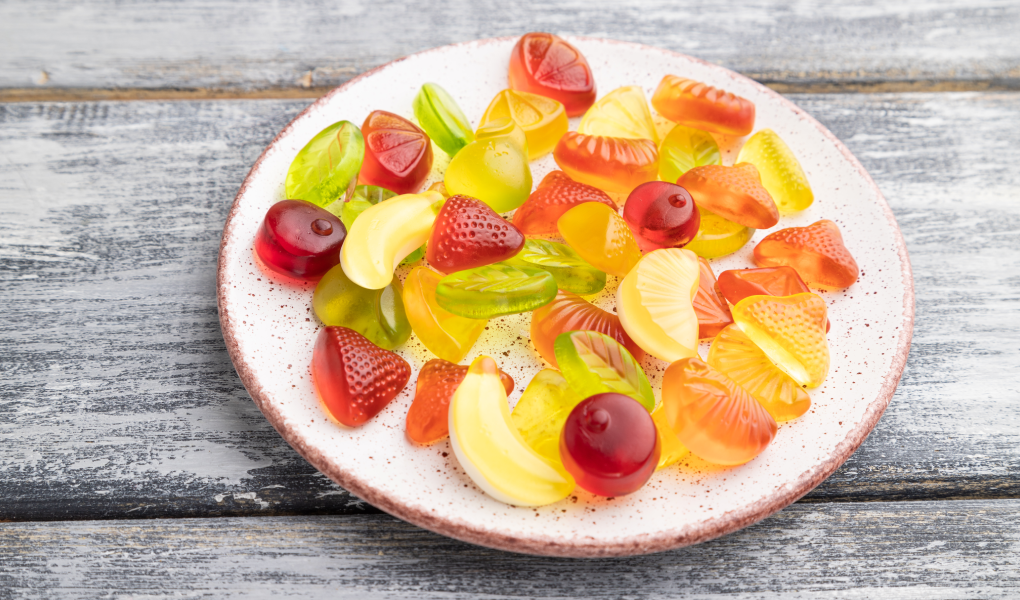
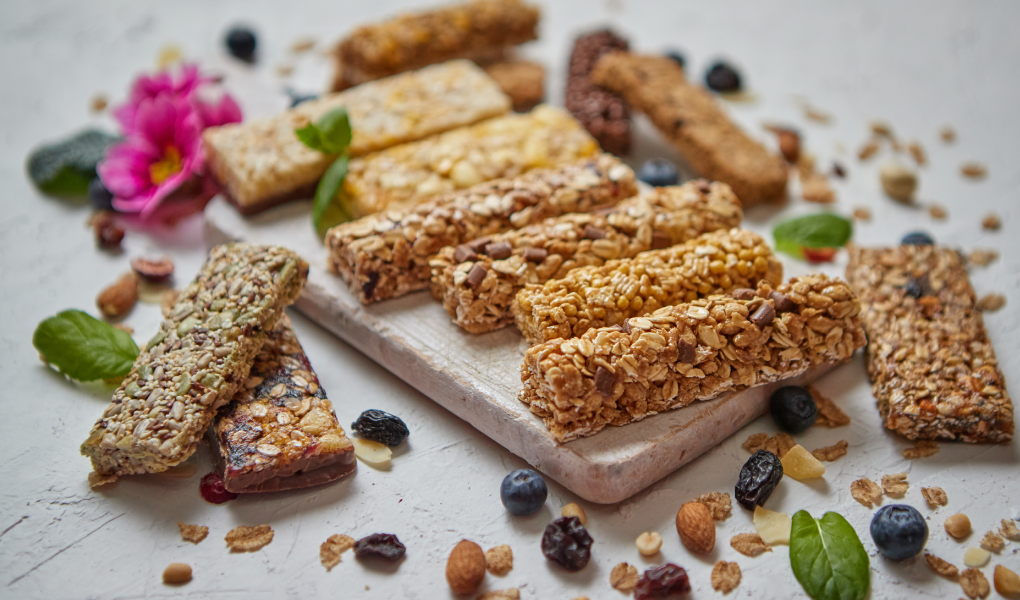
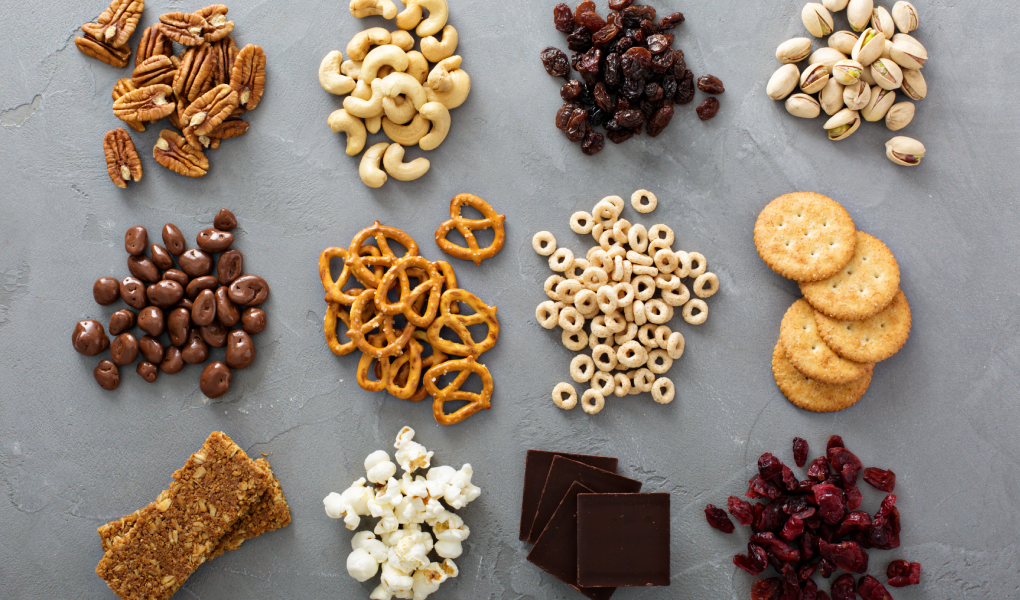
Snacks and Desserts: Flavorings can enhance candies, chocolates, and trail mixes without compromising halal principles.
Pro Tip: For a richer aroma, combine natural and halal-certified artificial flavorings in moderation.
Conclusion
Choosing the right flavorings is more than a matter of taste—it is also a matter of health, safety, and halal compliance.
Natural flavorings provide complex taste, potential health benefits, and are ideal for home cooking and family recipes. Artificial flavorings, when halal-certified, offer consistency, stability, and cost-effectiveness, especially for commercial production.
By understanding the differences and carefully selecting halal-certified options, you can ensure that your meals, desserts, and beverages are both delicious and compliant with Islamic dietary laws.
At Halal Edible, we encourage using a combination of natural and halal-certified artificial flavorings to create flavorful, wholesome, and halal-friendly dishes for your family and community.