
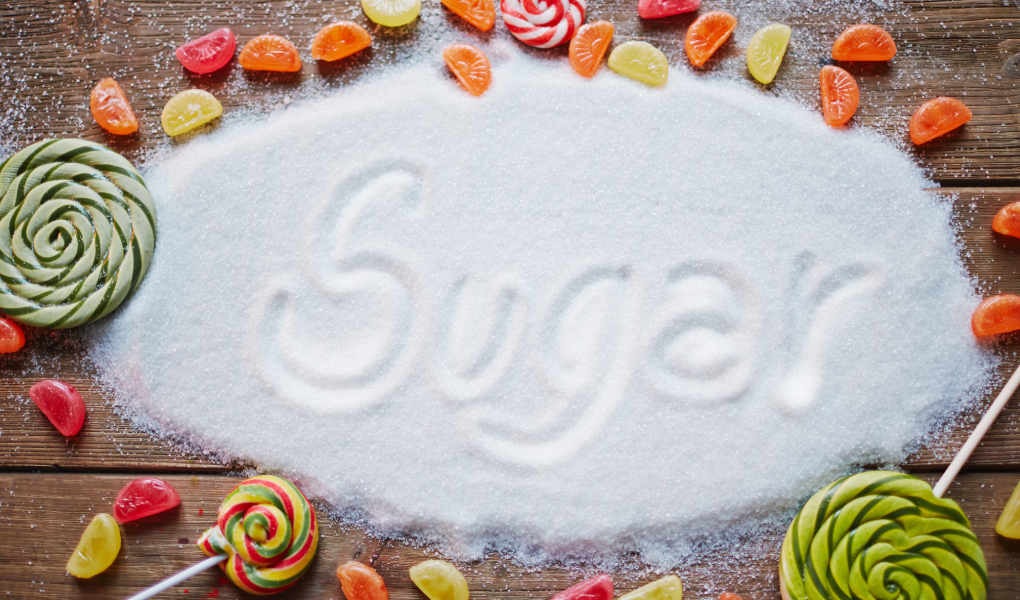
Sweetness is one of the most desired tastes in the world, and food manufacturers use a variety of sweeteners to enhance flavor, texture, and shelf life in processed foods. However, not all sweeteners are halal, and some can have health implications if consumed excessively.
At Halal Edible, we explore the different types of sweeteners used in processed foods, their halal considerations, health impact, and alternatives that are safe for families and children.
What Are Sweeteners?
Sweeteners are substances that impart sweetness to foods and beverages. They can be natural or synthetic, and are often used in:
- Soft drinks, juices, and flavored waters
- Baked goods like cookies, cakes, and pastries
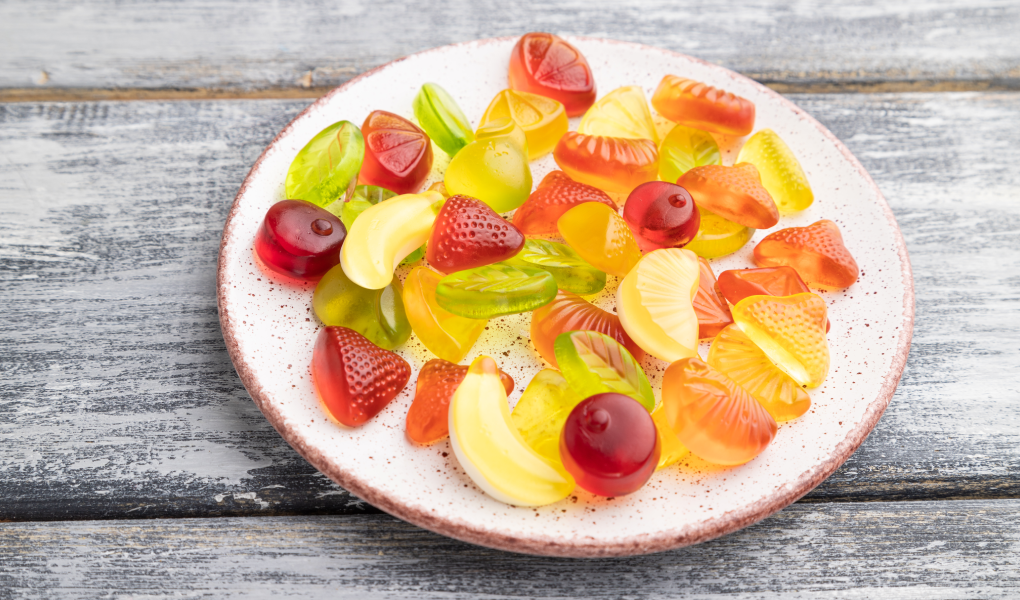
- Candies, chocolate, and gummies
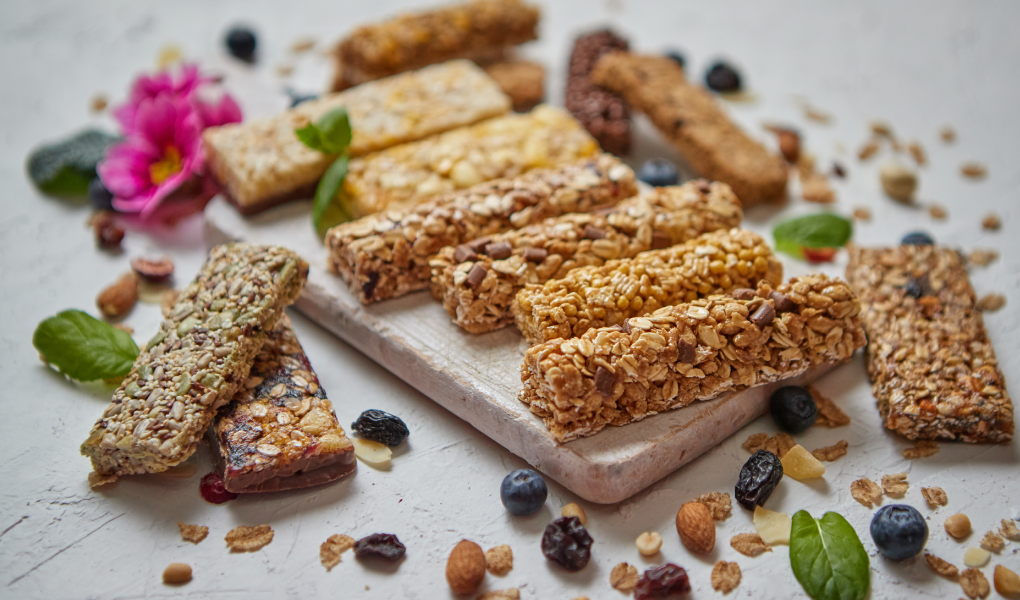
- Breakfast cereals and snack bars
- Sauces, dressings, and jams
Sweeteners not only provide taste but also affect texture, color, preservation, and mouthfeel in processed foods.
Types of Sweeteners
Sweeteners can be broadly classified into natural and artificial (synthetic) categories.
1. Natural Sweeteners
Natural sweeteners are derived from plants, fruits, or other naturally occurring sources. They often contain additional nutrients and bioactive compounds.
Common Examples:
- Sugar (Sucrose): Derived from sugarcane or sugar beet. Traditional granulated sugar is widely used in processed foods.
- Honey: Naturally sweet, often added to granola bars, baked goods, and beverages.
- Date Syrup: Popular in Middle Eastern and halal foods for a natural, rich sweetness.
- Maple Syrup: Used in cereals, pastries, and desserts.
- Coconut Sugar: Derived from coconut sap, contains trace minerals.
Halal Considerations:
- Sugar and syrups are generally halal, but check for processing aids like bone char in refined sugar.
- Honey and date syrup are naturally halal.
- Always ensure syrups or concentrated sweeteners do not contain alcohol or non-halal additives.
2. Artificial Sweeteners
Artificial sweeteners are chemically synthesized compounds that are intensely sweet, often hundreds of times sweeter than sugar.
Common Examples:
- Aspartame: Found in diet sodas and sugar-free desserts.
- Sucralose: Used in sugar-free baked goods, beverages, and confectionery.
- Saccharin: Found in diet soft drinks and tabletop sweeteners.
- Acesulfame Potassium (Ace-K): Common in soft drinks, chewing gum, and protein bars.
Halal Considerations:
- Artificial sweeteners are generally halal, but it is important to check manufacturing methods and halal certification.
- Aspartame, for example, is synthesized chemically but does not contain alcohol or animal products, making it halal if certified.
3. Sugar Alcohols (Polyols)
Sugar alcohols are low-calorie sweeteners often used in sugar-free or reduced-sugar foods.
Common Examples:
- Xylitol: Used in chewing gum, candies, and toothpaste.
- Erythritol: Found in sugar-free desserts and beverages.
- Maltitol: Used in chocolate, baked goods, and ice creams.
Halal Considerations:
- Most sugar alcohols are plant-based and halal.
- Check for glycerin or other carriers that might be derived from non-halal animal sources.
How Sweeteners Are Used in Processed Foods
1. Taste Enhancement
- Sweeteners provide the primary taste in candies, chocolates, and desserts.
- In savory foods, small amounts of sugar can balance acidity or bitterness in sauces and dressings.
2. Texture and Moisture
- Sugar contributes to softness and moisture retention in baked goods.
- Sugar alcohols and syrups also provide chewy textures in gummies and snack bars.
3. Shelf Life
- Sweeteners, especially sugar and syrups, act as preservatives by reducing water activity and preventing microbial growth.
- Artificial sweeteners do not preserve foods but reduce calorie content while maintaining sweetness.
Health Considerations
- Excess Sugar: High sugar consumption is linked to obesity, diabetes, and dental issues.
- Artificial Sweeteners: Generally safe in moderation, but some people may experience digestive discomfort from sugar alcohols.
- Natural Alternatives: Date syrup, coconut sugar, and honey offer sweetness with additional nutrients and antioxidants.
Tips for Families:
- Limit processed foods with added sugars.
- Choose halal-certified sweeteners to ensure compliance.
- Use natural sweeteners like honey, dates, or maple syrup in home cooking.
Halal Concerns in Processed Sweeteners
- Sugar Processing: Some refined sugars are processed with bone char, which is non-halal. Look for organic or halal-certified sugar.
- Artificial Sweeteners: Ensure halal certification and no non-halal carriers.
- Syrups and Concentrates: Check that they are free from alcohol or non-halal additives.
By choosing halal-certified sweeteners, families can enjoy both taste and peace of mind.
Practical Tips for Using Sweeteners in Processed Foods
- Check Labels: Look for halal certification and alcohol-free statements.
- Moderation is Key: Even halal sweeteners should be consumed in reasonable amounts.
- Substitute Naturally: Replace processed sugar with date syrup, honey, or maple syrup in baked goods.
- Balanced Nutrition: Combine sweeteners with high-fiber or protein-rich foods to reduce blood sugar spikes.
- Kids’ Snacks: Always use halal-certified sweeteners in school snacks, candies, and desserts.
Common Halal-Friendly Sweeteners in the Market
- Honey: Natural, halal, and versatile for drinks, desserts, and baked goods.
- Date Syrup: Rich in flavor and ideal for Middle Eastern or Ramadan recipes.
- Coconut Sugar: Low glycemic index, natural, and halal.
- Maple Syrup: Alcohol-free, natural, and sweetens pancakes, desserts, and cereals.
- Halal-Certified Artificial Sweeteners: Sucralose, aspartame, and Ace-K with proper certification.
Conclusion
Sweeteners are essential in processed foods, offering flavor, texture, and shelf life. For halal-conscious consumers, it is important to understand the source, type, and processing of sweeteners to ensure compliance with Islamic dietary laws.
Natural sweeteners like honey, date syrup, and coconut sugar provide taste with added nutritional benefits, while halal-certified artificial sweeteners offer calorie-conscious alternatives. By reading labels, checking certifications, and using moderation, families can enjoy sweet and safe foods without compromising halal principles.
At Halal Edible, we encourage using halal-certified sweeteners in processed foods and home cooking, ensuring that every bite is delicious, safe, and halal-friendly.