
Managing diabetes requires careful attention to diet, especially when it comes to sugar intake. Consuming too much sugar can spike blood glucose levels, making it difficult to maintain stable health. Fortunately, there are many alternative sweeteners available that allow diabetics to enjoy sweetness without compromising their health. In this article, we at Halal Edible explore some of the best sweeteners for diabetics, their benefits, and how to use them safely.
Understanding Sweeteners and Diabetes
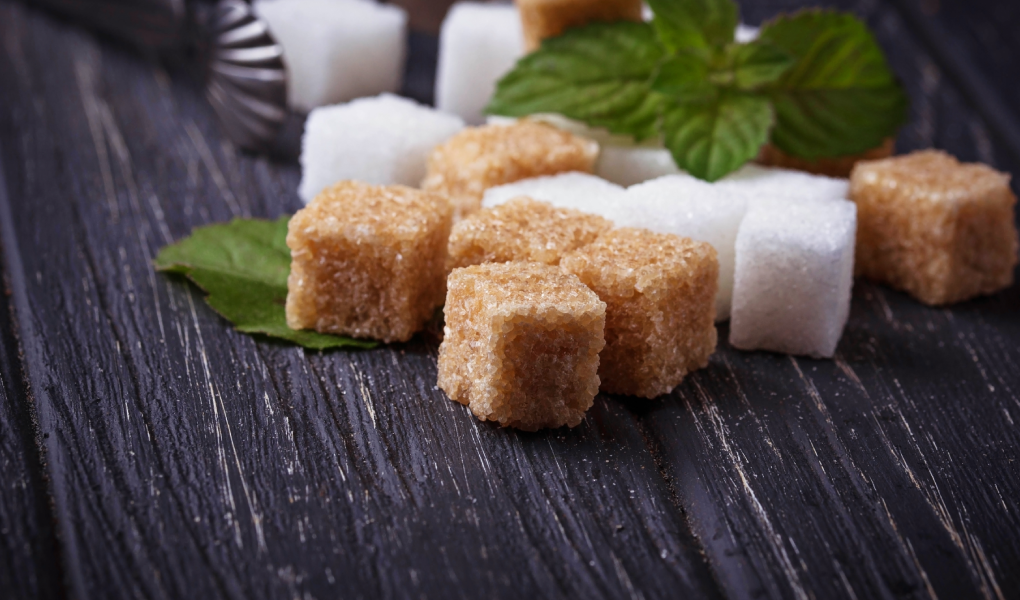
Sweeteners are substances used to replace sugar in foods and beverages. For diabetics, the main concern is the impact on blood glucose levels. Traditional sugar causes a rapid increase in blood sugar, whereas many alternative sweeteners have little to no effect. Choosing the right sweetener can help manage blood sugar, reduce calorie intake, and even improve overall health.
Sweeteners can be broadly categorized into:
- Natural sweeteners – derived from plants or natural sources.
- Artificial sweeteners – synthesized chemically but approved as safe for consumption.
- Sugar alcohols – found naturally in some fruits and vegetables or produced industrially.
Top Natural Sweeteners for Diabetics
1. Stevia
Stevia is a natural sweetener extracted from the leaves of the Stevia rebaudiana plant. It is hundreds of times sweeter than sugar but contains no calories and has a negligible effect on blood glucose levels.
Benefits:
- Does not raise blood sugar.
- Calorie-free.
- Can be used in cooking and baking.
Usage Tips:
Stevia is available in powdered, liquid, and granulated forms. Start with small amounts as it can have a slightly bitter aftertaste in large quantities.
2. Monk Fruit Sweetener
Derived from the monk fruit, also known as luo han guo, this sweetener is natural and calorie-free. It contains compounds called mogrosides, which are responsible for its sweetness.
Benefits:
- Zero calories.
- Safe for diabetics.
- Contains antioxidants that may support overall health.
Usage Tips:
Monk fruit sweeteners are ideal for beverages, desserts, and baking. They blend well and do not leave a bitter aftertaste like some other sugar substitutes.
3. Erythritol
Erythritol is a sugar alcohol naturally found in fruits like pears, melons, and grapes. It has about 70% of the sweetness of sugar but with almost zero calories and minimal impact on blood sugar.
Benefits:
- Low glycemic index.
- Helps maintain blood sugar stability.
- Less likely to cause digestive issues compared to other sugar alcohols.
Usage Tips:
Erythritol works well in baking, cooking, and beverages. Since it is less sweet than sugar, you might need slightly more to achieve the desired sweetness.
4. Xylitol
Xylitol is another sugar alcohol commonly used as a sugar substitute. It has a sweetness similar to sugar but with fewer calories.
Benefits:
- Low glycemic index, making it diabetic-friendly.
- Supports dental health by reducing the risk of cavities.
Usage Tips:
Xylitol can be used in baking and cooking. However, it can cause digestive discomfort in large amounts and is toxic to pets, especially dogs.
5. Allulose
Allulose is a rare sugar found in small quantities in wheat, figs, and raisins. It tastes almost exactly like sugar but has 90% fewer calories and a minimal effect on blood glucose levels.
Benefits:
- Very low calorie.
- Does not raise blood sugar.
- Suitable for cooking, baking, and beverages.
Usage Tips:
Allulose is heat-stable and can replace sugar in most recipes 1:1. It also produces a similar texture in baked goods.
Artificial Sweeteners
Artificial sweeteners are chemically synthesized and approved by health authorities like the FDA. Some common ones safe for diabetics include:
- Aspartame: Sweet but contains minimal calories. Not suitable for people with phenylketonuria (PKU).
- Sucralose: Heat-stable, making it suitable for cooking and baking.
- Saccharin: One of the oldest artificial sweeteners, often used in beverages.
These sweeteners are generally safe when consumed within recommended limits, but some people may prefer natural alternatives to avoid chemical additives.
Choosing the Right Sweetener
When selecting a sweetener, diabetics should consider:
- Blood sugar impact: Always check the glycemic index or how the sweetener affects blood glucose.
- Calorie content: Low-calorie sweeteners help with weight management.
- Digestive tolerance: Sugar alcohols like xylitol and erythritol can cause bloating if consumed in excess.
- Taste and aftertaste: Some sweeteners may have a bitter or metallic aftertaste. Testing small amounts is recommended.
Tips for Using Sweeteners Safely
- Start small: Introduce new sweeteners gradually to monitor blood sugar response.
- Combine sweeteners: Blending different sweeteners can improve taste and reduce aftertaste.
- Check labels: Ensure that sweeteners are pure and free from hidden sugars or additives.
- Consult a healthcare provider: Especially important for diabetics with additional health concerns.
Conclusion
Managing diabetes does not mean completely giving up sweetness. With the right sweeteners, diabetics can enjoy a variety of foods and beverages without compromising blood sugar control. Natural sweeteners like stevia, monk fruit, erythritol, xylitol, and allulose offer excellent alternatives to sugar, while artificial sweeteners provide options for those who need convenience and stability in cooking.
At Halal Edible, we prioritize providing accurate, health-conscious guidance for our readers. Choosing the right sweetener, monitoring your blood sugar, and practicing moderation are key steps toward a healthy, balanced lifestyle.
By making informed choices, diabetics can enjoy the sweetness of life without worry, maintaining both health and taste.