
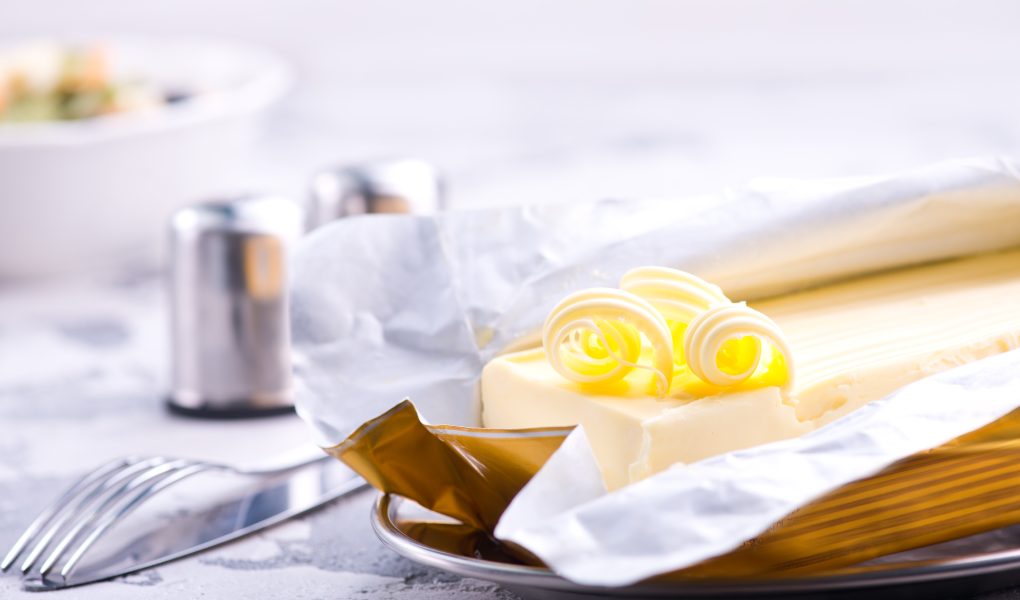
Margarine is a common alternative to butter, widely used in cooking, baking, and as a spread. While it is convenient and often cheaper than butter, many Muslims wonder: Is margarine halal? The answer is not always straightforward, because halal compliance depends on ingredients, additives, and processing methods.
At Halal Edible, we break down everything you need to know about margarine, halal considerations, potential pitfalls, and tips for choosing products that are both permissible and wholesome (tayyib).
What Is Margarine?
Margarine is a spread made primarily from vegetable oils, sometimes blended with animal fats. Unlike butter, which is naturally derived from milk, margarine is heavily processed to achieve a creamy texture and longer shelf life.
Typical ingredients in margarine include:
- Vegetable oils (soybean, palm, canola, sunflower)
- Emulsifiers (to keep oil and water combined)
- Preservatives (to extend shelf life)
- Flavorings and colorings
- Optional dairy ingredients (milk solids or whey)
Some margarine may also contain animal-derived additives such as enzymes or emulsifiers, which raises questions about halal compliance.
Why Margarine May Not Be Halal
Not all margarine is halal. Here are common reasons why:
1. Animal-Derived Ingredients
- Lecithin: Often used as an emulsifier, lecithin can come from soy, sunflower, or egg, but sometimes from animal sources, including pork.
- Mono- and diglycerides: These stabilizers may be derived from non-halal animals.
- Rennet or dairy enzymes: Some margarines with milk may use non-halal rennet in processing.
2. Alcohol-Based Additives
- Some artificial flavorings or preservatives in margarine may use alcohol as a solvent, which is haram in Islam.
3. Cross-Contamination
- Margarine produced in factories that also handle non-halal ingredients may be contaminated, even if the main ingredients are halal.
Tip: Always read labels carefully and look for halal certification.
How to Identify Halal Margarine
1. Look for Halal Certification
- Recognized halal certification logos, such as IFANCA, JAKIM, HFA, or MUIS, provide assurance that the product meets Islamic dietary standards.
- Halal certification covers ingredient sources, processing methods, and potential cross-contamination.
2. Check Ingredients
- Vegetable oils: Preferably soy, palm, or sunflower oil without animal-derived additives.
- Emulsifiers: Confirm they are plant-based or halal-certified.
- Flavorings and colorings: Check if any alcohol or non-halal enzymes are used.
- Dairy components: Ensure any milk solids or whey come from halal sources.
3. Avoid Ambiguous Terms
- Terms like “natural flavors” or “enzymes” may conceal animal-derived ingredients.
- Contact manufacturers if the source of an additive is unclear.
Types of Margarine and Their Halal Status
| Type of Margarine | Halal Considerations | Notes |
|---|---|---|
| Vegetable-based Margarine | Usually halal if no animal-derived emulsifiers or alcohol-based flavorings | Check for certification for assurance |
| Butter Blend Margarine | Contains dairy; ensure milk enzymes and processing are halal | May be suitable for baking and spreading |
| Flavored Margarine | May contain alcohol-based flavorings | Verify halal certification before use |
| Non-Halal Margarine | Contains pork-based emulsifiers, gelatin, or enzymes | Avoid completely |
Halal vs Processed Margarine
Margarine is often highly processed, similar to processed butter. Differences include:
- Ingredients: Margarine relies heavily on emulsifiers, preservatives, and colorings.
- Halal Compliance: Halal butter and margarine must be certified to ensure all additives are permissible.
- Health Considerations: Margarine may contain hydrogenated oils, trans fats, or artificial additives, which are halal if ingredients are permissible but may not align with tayyib principles.
Tips for Choosing Halal Margarine
- Always Prefer Certified Halal Margarine
- Verified certification ensures ingredients, enzymes, and processing comply with Islamic law.
- Read Labels Carefully
- Avoid products with unclear or ambiguous additives, like natural flavors, mono- or diglycerides, or unspecified enzymes.
- Consider Health and Tayib Principles
- Choose margarine with minimal additives, plant-based oils, and no hydrogenated fats.
- Organic halal margarine combines purity, health, and religious compliance.
- Avoid Bulk or Generic Brands Without Verification
- Convenience should not compromise halal standards.
- Check Manufacturer Transparency
- Brands that openly disclose sources and processing methods make it easier to choose halal and wholesome options.
Practical Uses of Halal Margarine
- Cooking: Frying, sautéing, and roasting vegetables or proteins.
- Baking: Cakes, cookies, pastries, and doughs can use halal-certified margarine as a substitute for butter.
- Spreading: Bread, toast, and sandwiches.
- Combination with Other Tayib Ingredients: Pairing halal margarine with wholesome ingredients like eggs, milk, and flour ensures both halal and tayyib consumption.
Conclusion
Margarine is not automatically halal. Its permissibility depends on ingredient sources, additives, and processing methods.
- Halal Margarine: Free from haram ingredients, alcohol, and non-halal enzymes, often carrying halal certification.
- Non-Halal Margarine: May contain animal-derived emulsifiers, rennet, or alcohol-based flavorings.
- Processed Margarine: May be halal in content but still contain additives that are not tayyib.
At Halal Edible, we recommend:
- Prioritizing halal-certified margarine for cooking, baking, and spreading.
- Checking ingredients carefully for emulsifiers, flavorings, and enzymes.
- Choosing plant-based and minimally processed options whenever possible.
- Considering health and tayyib principles alongside halal compliance.
By making mindful choices, you can enjoy margarine that is faithful to Islamic dietary laws, wholesome, and ethically sourced, ensuring both religious and health-conscious standards are met.