
Oils are a fundamental part of cooking, baking, and even skincare. However, not all oils are created equal. When it comes to health, nutrition, and halal compliance, understanding the differences between seed oils and natural oils is essential. While some oils are highly processed and refined, others remain minimally processed and retain their natural nutrients.
At Halal Edible, we explore the distinctions between seed oils and natural oils, their health implications, and guidance for halal and wholesome (tayyib) consumption.
What Are Seed Oils?
Seed oils are extracted from the seeds of plants. Common examples include:
- Soybean oil
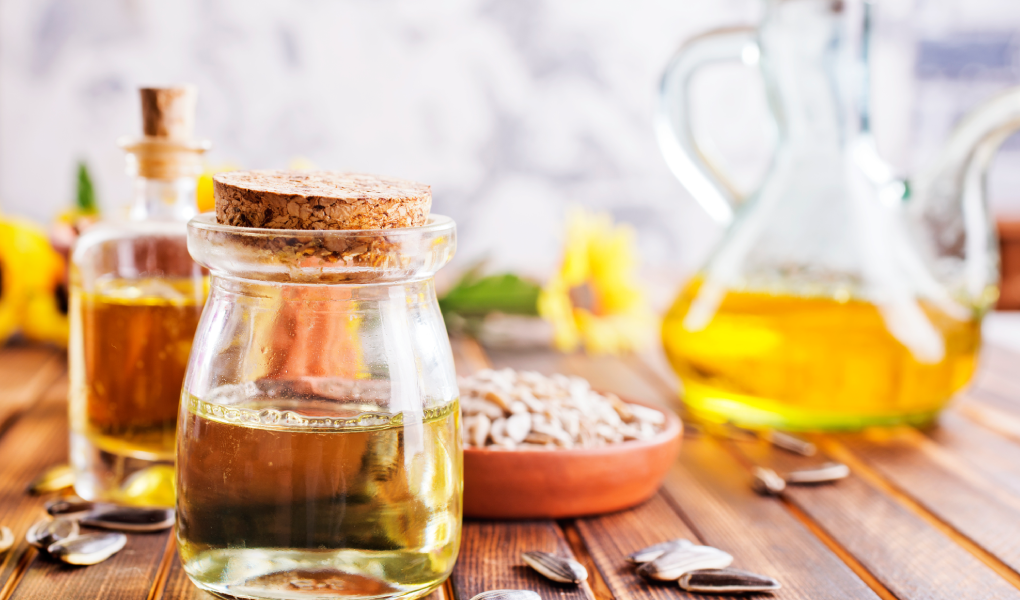
- Sunflower oil
- Canola oil (rapeseed)
- Corn oil
- Cottonseed oil
How Seed Oils Are Processed
Most commercial seed oils undergo intensive processing, including:
- Chemical Extraction: Using solvents like hexane to extract oil.
- Refining: Removing impurities, color, and odor, which may also remove nutrients.
- Bleaching and Deodorizing: Further chemical steps to improve appearance and shelf life.
- Hydrogenation (Optional): Converts liquid oils into semi-solid fats, creating trans fats.
Result: Highly processed oils that are stable for mass production but may lose natural antioxidants and beneficial compounds.
What Are Natural Oils?
Natural oils are extracted from whole plant parts—fruits, nuts, or olives—through cold pressing or minimal processing. Common examples include:
- Extra virgin olive oil
- Coconut oil (cold-pressed)
- Avocado oil
- Almond oil
- Sesame oil (cold-pressed)
Key Characteristics
- Minimal Processing: Retains natural nutrients, antioxidants, and flavor.
- High Nutritional Value: Rich in monounsaturated and polyunsaturated fats, vitamins, and phytochemicals.
- Tayyib and Halal: Free from chemical solvents and often produced ethically.
Health Differences Between Seed Oils and Natural Oils
| Feature | Seed Oils | Natural Oils |
|---|---|---|
| Processing | Highly refined, chemical extraction common | Cold-pressed, minimally processed |
| Nutrient Retention | Often low, antioxidants removed | High, retains vitamins and antioxidants |
| Omega-6 Fatty Acids | High content, can contribute to inflammation | Balanced fatty acids, lower omega-6 |
| Trans Fats | Possible if hydrogenated | None if unrefined |
| Oxidative Stability | Prone to oxidation during high-heat cooking | More stable due to natural antioxidants |
| Taste and Aroma | Neutral, often flavorless | Rich flavor, distinct aroma |
| Health Impact | May promote inflammation if overconsumed | Supports heart health, anti-inflammatory |
Summary: While seed oils are convenient and inexpensive, natural oils are generally more nutrient-dense, wholesome, and aligned with Islamic principles of tayyib consumption.
Seed Oils: Potential Health Concerns
- High Omega-6 Content
- Excess omega-6 fatty acids can promote inflammation if not balanced with omega-3 intake.
- Chemical Residues
- Industrial extraction often uses chemical solvents like hexane, raising concerns about residual chemicals in the oil.
- Trans Fats in Hydrogenated Oils
- Some seed oils are partially hydrogenated for shelf stability, producing unhealthy trans fats linked to heart disease.
- Nutrient Loss
- Refining and bleaching remove vitamins, antioxidants, and natural flavor.
- Cooking Stability
- High-heat cooking can oxidize seed oils, producing harmful free radicals.
Natural Oils: Benefits for Health and Halal Consumption
- Rich in Healthy Fats
- Monounsaturated and polyunsaturated fats support heart and brain health.
- High in Antioxidants
- Extra virgin olive oil, for example, contains polyphenols that reduce oxidative stress and inflammation.
- Minimal Processing
- Cold-pressed oils retain nutrients and natural flavor, aligning with tayyib principles.
- Stable for Cooking
- Many natural oils, like coconut oil, have high smoke points and resist oxidation during cooking.
- Ethical and Halal Friendly
- Produced without chemical solvents or animal-derived additives, making them suitable for halal diets.
Halal Considerations for Oils
Both seed oils and natural oils are generally halal, as they are plant-derived. However, issues may arise with:
- Processing Agents: Some refined oils may use enzymes, emulsifiers, or flavorings derived from non-halal sources.
- Cross-Contamination: Oils processed in facilities that handle haram ingredients may be at risk.
- Additives: Certain preservatives or bleaching agents may not be halal-certified.
Tip: Look for halal certification on oil packaging, especially for refined or processed oils.
How to Choose the Right Oil
- Prioritize Natural Oils
- Extra virgin olive oil, coconut oil, and avocado oil are minimally processed and nutrient-dense.
- Check for Halal Certification
- Ensures all processing agents, additives, and handling comply with Islamic dietary laws.
- Balance Omega-6 Intake
- Limit highly processed seed oils and balance with omega-3 sources like flaxseed, walnuts, or fish.
- Avoid Hydrogenated or Partially Hydrogenated Oils
- These contain unhealthy trans fats that harm cardiovascular health.
- Consider Cooking Method
- Use oils with high smoke points for frying (e.g., avocado oil, coconut oil) and delicate oils for dressings or low-heat cooking.
Practical Tips for Everyday Use
- Salad Dressings: Use extra virgin olive oil or sesame oil for natural flavor and health benefits.
- Sautéing and Stir-Frying: Use coconut oil or avocado oil for stable cooking at moderate heat.
- Baking: Natural oils like olive oil or coconut oil can replace seed oils or margarine.
- Drizzling: Add a finishing touch with high-quality extra virgin olive oil on cooked vegetables or grains.
Tip: Avoid overusing refined seed oils for everyday cooking; opt for nutrient-rich natural oils whenever possible.
Conclusion
The choice between seed oils and natural oils is more than a matter of taste—it impacts health, nutrition, and halal integrity.
- Seed Oils: Widely available and affordable but often highly processed, chemically refined, and high in omega-6 fatty acids. Excessive consumption may contribute to inflammation and nutrient loss.
- Natural Oils: Minimally processed, nutrient-rich, and aligned with tayyib principles, supporting both physical health and ethical consumption.
At Halal Edible, we recommend:
- Prioritizing natural, cold-pressed oils like extra virgin olive oil, coconut oil, and avocado oil.
- Choosing halal-certified oils to ensure both religious compliance and wholesome quality.
- Limiting heavily processed seed oils and avoiding hydrogenated or partially hydrogenated products.
- Incorporating a variety of oils to balance fatty acids and maximize health benefits.
By making mindful choices, you can enjoy wholesome, halal, and nutritious oils that support your health, your faith, and ethical consumption practices.