
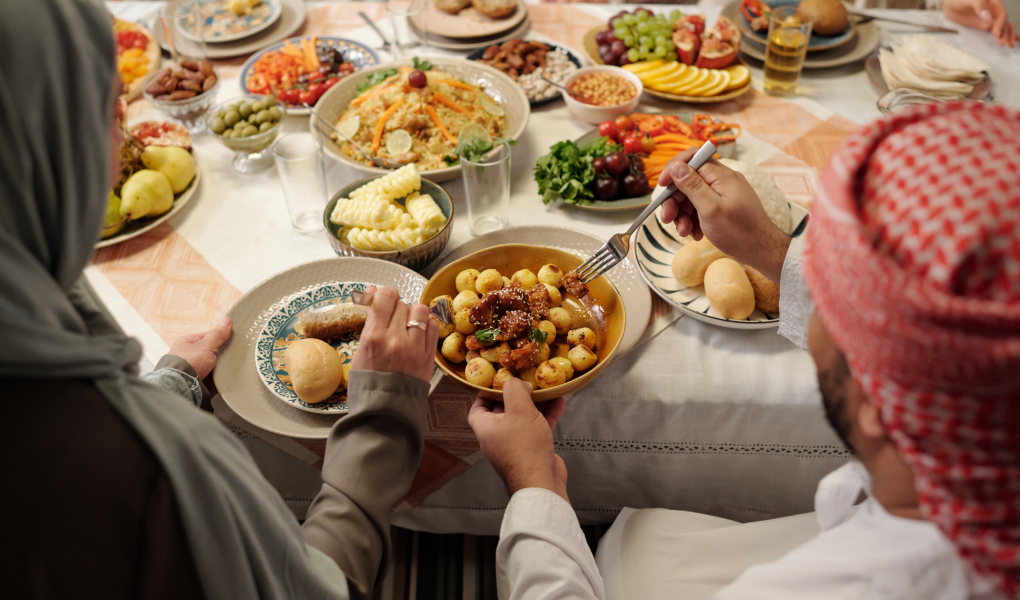
In Islam, food is not just about nourishment; it also carries moral, spiritual, and ethical significance. While most people are familiar with the concept of halal—foods that are permissible according to Islamic law—lesser-known but equally important is the concept of tayyib. At Halal Edible, we explore what tayyib food means, why it matters, and how Muslims can ensure their diet aligns with both halal and tayyib principles.
Understanding Tayyib in Islam
The term tayyib comes from the Arabic root word meaning “pure, wholesome, good, and beneficial.” In the Quran, Allah commands Muslims:
“O you who believe! Eat of the good (tayyib) things We have provided you…”
— Quran 2:172
Tayyib goes beyond the basic permissibility of halal. While halal simply means a food is allowed under Islamic law, tayyib emphasizes purity, wholesomeness, safety, and ethical sourcing.
In other words, halal ensures a food is lawful, while tayyib ensures it is good for the body, mind, and spirit.
The Difference Between Halal and Tayyib
| Aspect | Halal | Tayyib |
|---|---|---|
| Meaning | Permissible according to Islamic law | Wholesome, pure, beneficial |
| Focus | Lawful vs. unlawful | Quality, safety, ethics, health |
| Example | Halal meat | Halal meat from healthy, ethically raised animals |
| Scope | Legal compliance | Moral, nutritional, ethical, and environmental considerations |
Simply put, all tayyib food is halal, but not all halal food is necessarily tayyib. For example, processed fast food may be halal but might not qualify as tayyib due to additives, low nutritional value, or harmful ingredients.
Key Principles of Tayyib Food
- Purity and Cleanliness
Tayyib food should be free from impurities, toxins, and harmful substances. Clean water, hygienic preparation, and untainted ingredients are essential. - Health Benefits
Food that nourishes the body, strengthens immunity, and promotes overall well-being is considered tayyib. Fresh fruits, vegetables, whole grains, and ethically sourced meat are examples. - Ethical and Humane Sourcing
Animals should be treated humanely, and foods should be sourced without causing unnecessary harm to people, animals, or the environment. This reflects the Islamic principle of stewardship (khilafah) over Earth. - Moderation and Balance
Overconsumption of even halal foods can be harmful. Tayyib emphasizes moderation, balance, and mindfulness in eating habits. - Avoiding Harmful Substances
Artificial chemicals, toxins, and heavily processed foods that may harm the body or mind contradict the concept of tayyib.
Examples of Tayyib Foods
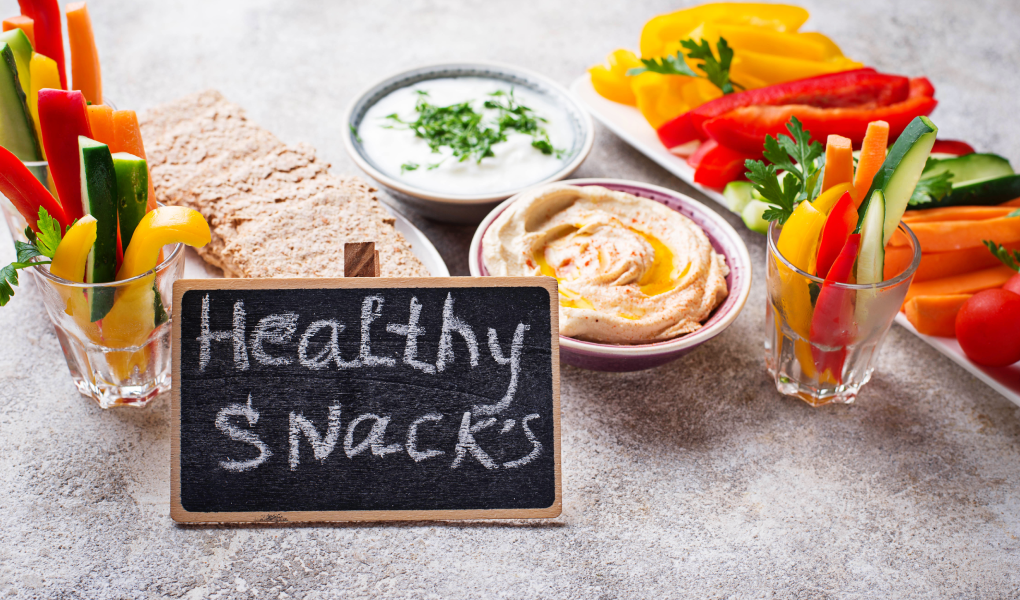
- Fresh Fruits and Vegetables: Locally sourced, organically grown, pesticide-free produce.
- Whole Grains: Brown rice, oats, barley, and other minimally processed grains.
- Ethically Raised Meat: Animals slaughtered humanely according to halal standards.
- Natural Sweeteners: Honey, stevia, and unrefined sugars like coconut sugar in moderation.
- Healthy Fats: Olive oil, nuts, and seeds instead of hydrogenated oils.
These foods not only meet halal requirements but also provide optimal nutrition and ethical consumption practices.
The Spiritual Significance of Tayyib Food
Eating tayyib is not just about physical health—it has a profound spiritual dimension in Islam. Consuming wholesome, clean, and ethical food:
- Enhances Gratitude: Recognizing Allah’s blessings through wholesome sustenance.
- Purifies the Body and Soul: Clean food supports physical health and mental clarity.
- Encourages Mindfulness: Being mindful of the source and quality of food fosters spiritual consciousness.
- Supports Ethical Living: Choosing tayyib foods aligns with Islamic ethics, justice, and compassion.
The Prophet Muhammad (peace be upon him) emphasized moderation and care in eating, saying:
“The son of Adam does not fill any vessel worse than his stomach. It is sufficient for the son of Adam to eat a few bites to keep his back straight. If he must, then one-third for food, one-third for drink, and one-third for air.”
— Hadith, Tirmidhi
This Hadith highlights that tayyib encompasses not just the type of food but the manner and quantity in which it is consumed.
Tayyib in Modern Context
In today’s world, identifying tayyib foods can be challenging due to industrialized farming, processed foods, and artificial additives. Muslims striving to follow tayyib principles may:
- Choose organic and natural products.
- Avoid heavily processed or artificial ingredients.
- Check sourcing and ethical practices of food brands.
- Prefer seasonal, fresh, and locally grown produce.
Tayyib and Halal Certification
Halal certification ensures food is permissible under Islamic law. Some certifications also consider tayyib aspects, like:
- Ethical sourcing of ingredients.
- Health and nutritional value of the product.
- Avoidance of harmful chemicals and additives.
Products that are both halal and tayyib meet legal, ethical, and health-conscious standards.
Benefits of Consuming Tayyib Food
- Physical Health: Clean, wholesome food supports immunity, digestion, and overall vitality.
- Mental Well-being: Eating pure and beneficial foods reduces stress, lethargy, and mood swings.
- Spiritual Growth: Tayyib food nurtures mindfulness, gratitude, and ethical consciousness.
- Community Impact: Supporting ethical food production benefits farmers, animals, and the environment.
Tips to Incorporate Tayyib in Daily Diet
- Read Labels Carefully: Look for ingredients that are natural, fresh, and free from harmful chemicals.
- Prioritize Freshness: Fresh fruits, vegetables, and minimally processed foods are preferable.
- Support Ethical Brands: Choose suppliers who follow humane and sustainable practices.
- Moderation is Key: Even wholesome foods should be consumed in balanced portions.
- Mindful Eating: Eat slowly, appreciate your food, and avoid overeating.
Conclusion
Tayyib food is a comprehensive concept in Islam that goes beyond halal permissibility. It emphasizes wholesomeness, purity, health, and ethical sourcing, reflecting the holistic approach Islam advocates toward food, health, and the environment.
At Halal Edible, we believe that understanding and incorporating tayyib principles can help Muslims make informed dietary choices, improve their health, and strengthen their spiritual connection. Choosing tayyib foods is not just about obeying dietary laws; it is about nourishing the body, mind, and soul while living ethically and responsibly.
Incorporating tayyib into daily life ensures that the food we consume is not only lawful but truly good, beneficial, and ethically sourced—a reflection of the profound wisdom of Islamic dietary guidance.