When shopping for packaged foods, you may have noticed labels that read “May Contain Nuts,” “May Contain Soy,” or similar warnings. These statements are often called allergen advisory labels, and they have become increasingly common in the food industry. While they are intended to protect consumers, they can also be confusing—especially for those with allergies, dietary restrictions, or halal concerns.
At Halal Edible, we explain what “may contain” labels mean, why they exist, and how you can make informed choices while shopping for safe and compliant foods.
What Does “May Contain” Really Mean?
A “may contain” label is a precautionary statement used by food manufacturers to alert consumers that a product might have been exposed to a specific allergen or ingredient during production.
This can happen even if the ingredient is not listed in the main recipe:
- Shared equipment (e.g., a chocolate factory using the same machines for peanuts and chocolate bars)
- Shared production lines or packaging facilities
- Cross-contact during storage or transport
It is important to note that a “may contain” statement does not mean the allergen is definitely present, but it indicates a risk of trace contamination.
Why “May Contain” Labels Are Used
Manufacturers include these labels for several reasons:
- Allergen Safety: To warn consumers with allergies of potential risks.
- Legal Protection: To limit liability in case someone has an adverse reaction due to cross-contact.
- Transparency: To provide full disclosure, even when contamination risk is minimal.
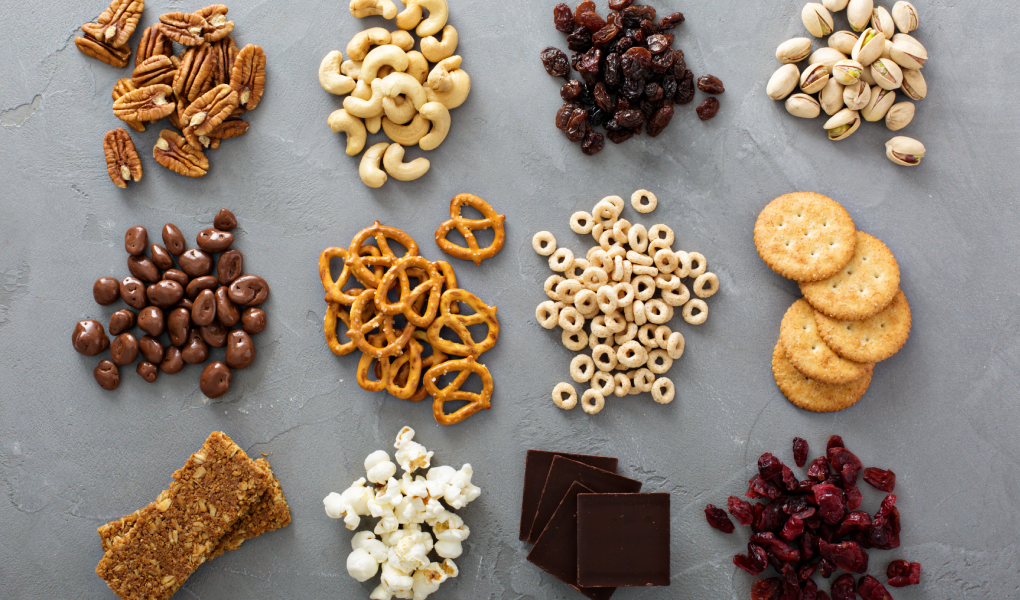
Common allergens that trigger “may contain” labels include: peanuts, tree nuts, milk, soy, wheat, eggs, and seafood.
“May Contain” and Dietary Restrictions
For individuals observing halal dietary laws, “may contain” labels can be a source of concern. While a product may be halal-certified, the “may contain” statement can indicate possible cross-contact with non-halal ingredients.
Examples:
- A chocolate bar labeled halal but with a “may contain pork gelatin” warning.
- A processed snack labeled halal but with a “may contain alcohol-based flavorings” advisory.
For Muslims seeking to adhere strictly to halal rules, it is important to consider the risk level of cross-contact and verify the manufacturer’s practices.
How to Interpret “May Contain” Labels
- Understand the Risk: Trace amounts of an allergen or haram ingredient may or may not be present. For those with allergies, even small amounts can be dangerous. For halal consumers, trace amounts may require careful consideration.
- Check Certification: Halal-certified products with “may contain” statements usually undergo risk assessment by the certifying body. Look for halal logos and certification numbers.
- Contact the Manufacturer: If unsure, reach out to the manufacturer to understand their production practices and whether cross-contact is likely.
- Err on the Side of Caution: For severe allergies or strict dietary adherence, it may be safest to avoid products with “may contain” statements.
Common Situations Leading to “May Contain” Labels
- Shared Equipment: Factories that produce multiple types of products may use the same machinery, leading to potential contamination.
- Shared Storage: Ingredients stored in the same warehouse or bins can accidentally mix.
- Ingredient Sourcing: Suppliers may provide ingredients processed in facilities that also handle allergens or non-halal substances.
These precautions are standard in the food industry to protect both consumers and manufacturers.
Tips for Halal Consumers
- Prioritize Certified Brands: Look for reputable halal-certified brands that have transparent production practices.
- Check the Ingredients List: Even if a “may contain” label exists, check the main ingredients for any haram elements.
- Research Manufacturing Practices: Some brands provide information on cross-contact prevention measures.
- Use Trusted Retailers: Purchase from stores or online platforms that specialize in halal or allergen-conscious foods.
- Moderation and Vigilance: Avoid products with “may contain” statements if you want to ensure strict compliance with halal guidelines.
Legal and Industry Standards
Many countries have strict regulations regarding allergen labeling:
- European Union: Precautionary allergen labeling (PAL) is voluntary but widely used.
- United States: The Food Allergen Labeling and Consumer Protection Act (FALCPA) requires major allergens to be declared; “may contain” is voluntary.
- Other regions: Similar guidelines exist, and many halal certifiers require clear labeling of potential contamination risks.
These standards aim to protect consumer safety while allowing manufacturers to produce multiple products efficiently.
The Importance of Consumer Awareness
Understanding “may contain” labels helps consumers make informed choices:
- For Allergy Safety: Protects children and adults with severe allergic reactions.
- For Halal Compliance: Ensures products meet religious dietary laws.
- For Health-Conscious Decisions: Avoid potential cross-contamination with undesirable additives, preservatives, or chemicals.
At Halal Edible, we emphasize reading labels carefully, verifying certifications, and seeking clarity from manufacturers when necessary.
Conclusion
“May contain” labels are an important part of modern food packaging, designed to warn consumers about potential risks of contamination. For Muslims seeking halal products, these labels require careful consideration and sometimes additional research to ensure compliance with dietary laws.
By understanding what these labels mean, checking halal certification, and prioritizing reputable brands, consumers can make safer, informed choices.
At Halal Edible, we encourage Muslims to be vigilant, stay informed, and support brands that uphold transparency and ethical practices. Whether you are managing allergies, observing halal, or both, understanding “may contain” labels ensures that your food choices are both safe and compliant.