
When shopping for packaged foods, you may often see labels that say “natural flavoring” or “natural flavors.” At first glance, these terms suggest a healthy, wholesome product. However, the reality is more complex. Many consumers are unaware that “natural flavoring” can encompass a wide range of substances—some of which may not align with dietary restrictions, halal standards, or personal health preferences.
At Halal Edible, we explore what natural flavoring actually means, why it’s used, and how to ensure the products you consume are safe, halal, and beneficial.
Defining Natural Flavoring
The term “natural flavoring” is defined by regulatory bodies like the U.S. Food and Drug Administration (FDA) as:
“A substance extracted, distilled, or derived from plant or animal sources that imparts flavor to food.”
This includes:
- Essential oils from fruits, herbs, and spices
- Animal-derived flavor extracts
- Alcohol-based flavor carriers
- Concentrated or processed ingredients that retain flavor
The key point is that natural flavoring is derived from natural sources, but it does not guarantee that the flavoring is healthy, halal, or free from alcohol or other forbidden substances.
Why Companies Use Natural Flavoring
Manufacturers use natural flavorings for several reasons:
- Enhance Taste: Natural flavorings improve flavor without using large amounts of sugar, salt, or fat.
- Preserve Shelf Life: Certain natural extracts also act as preservatives, extending product shelf life.
- Market Appeal: The term “natural” appeals to health-conscious consumers, creating the perception of a cleaner, healthier product.
- Mask Ingredients: Natural flavorings can cover up less desirable tastes from other ingredients in processed foods.
While flavorings can make foods taste better, they often obscure the source of the flavor, making it difficult for consumers to know exactly what they are consuming.
Common Sources of Natural Flavoring
Natural flavorings can come from a variety of plant and animal sources:
- Plant Sources: Fruits, vegetables, herbs, spices, flowers, and nuts.
- Animal Sources: Meat, dairy, eggs, or fish derivatives. For example, some vanilla extracts may be alcohol-based, and certain natural flavors in candies or desserts may contain animal-derived enzymes.
- Alcohol or Solvents: Some natural flavors are extracted using alcohol or other solvents to concentrate the flavor.
This wide range of sources highlights why consumers should verify natural flavoring for halal compliance or allergy concerns.
Natural Flavoring and Halal Considerations
For Muslims, natural flavorings can pose questions regarding halal compliance. Key considerations include:
- Animal-Derived Ingredients: Gelatin, enzymes, or flavor extracts from non-halal animals are not permissible.
- Alcohol-Based Extraction: Some flavors, like vanilla or almond extract, use alcohol in processing, which may make the flavor non-halal.
- Cross-Contamination: Shared production lines may expose products to haram substances.
Even if a product is labeled as halal, it’s essential to verify the source of the natural flavoring through certification and manufacturer transparency.
Common Misconceptions About Natural Flavoring
- “Natural” Does Not Mean Healthy: Natural flavorings can still contain additives, solvents, or concentrated chemicals.
- Not All Natural Flavors Are Halal: Plant-derived flavors are often safe, but alcohol or animal derivatives may not be permissible.
- Quantity Matters: Even trace amounts of forbidden substances in flavoring can be significant for halal observance.
Understanding these misconceptions helps consumers make better-informed dietary decisions.
Reading Labels for Natural Flavoring
To ensure that natural flavorings meet your dietary or halal requirements:
- Check for Certification: Look for recognized halal certification logos.
- Contact Manufacturers: Ask for details about the source of the flavoring and whether alcohol or animal derivatives are used.
- Avoid Vague Terms: Words like “natural flavors” without further explanation may hide non-halal or synthetic components.
- Consider Whole Foods: Fresh fruits, herbs, and natural ingredients can be used instead of packaged foods with natural flavoring.
Health Implications
While natural flavorings are generally recognized as safe (GRAS) by food authorities, there are potential health concerns:
- Allergens: Some natural flavorings may come from nuts, dairy, or soy.
- Alcohol Exposure: Alcohol-based extracts may be present in small amounts, which could be a concern for certain religious or health-based diets.
- Additives: Some natural flavorings contain preservatives or solvents to stabilize the flavor.
Being aware of the source and composition helps minimize unintended health risks.
Examples of Foods with Natural Flavorings
- Soft drinks and flavored waters
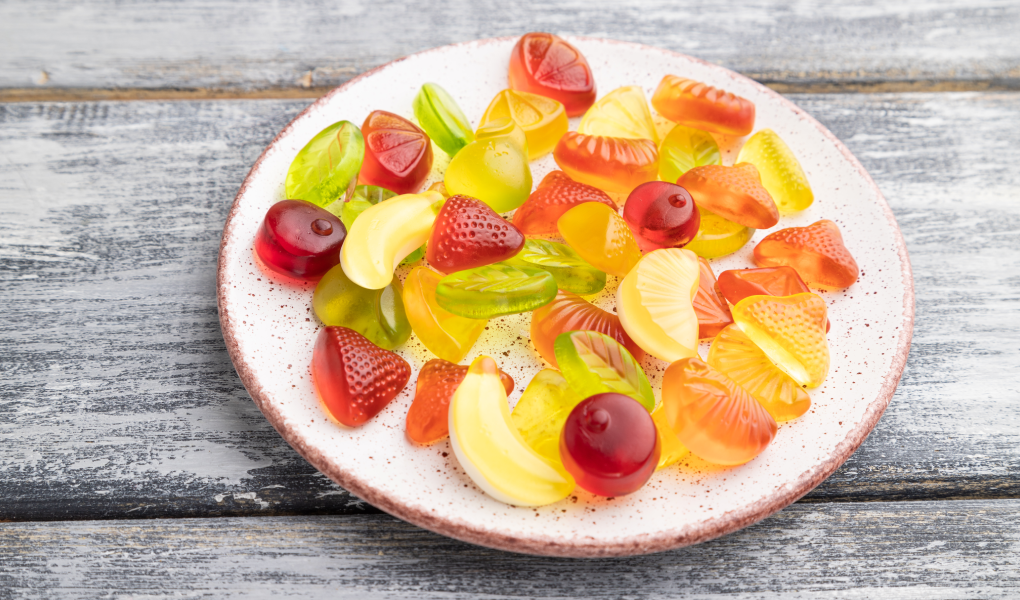
- Candies, chocolates, and desserts
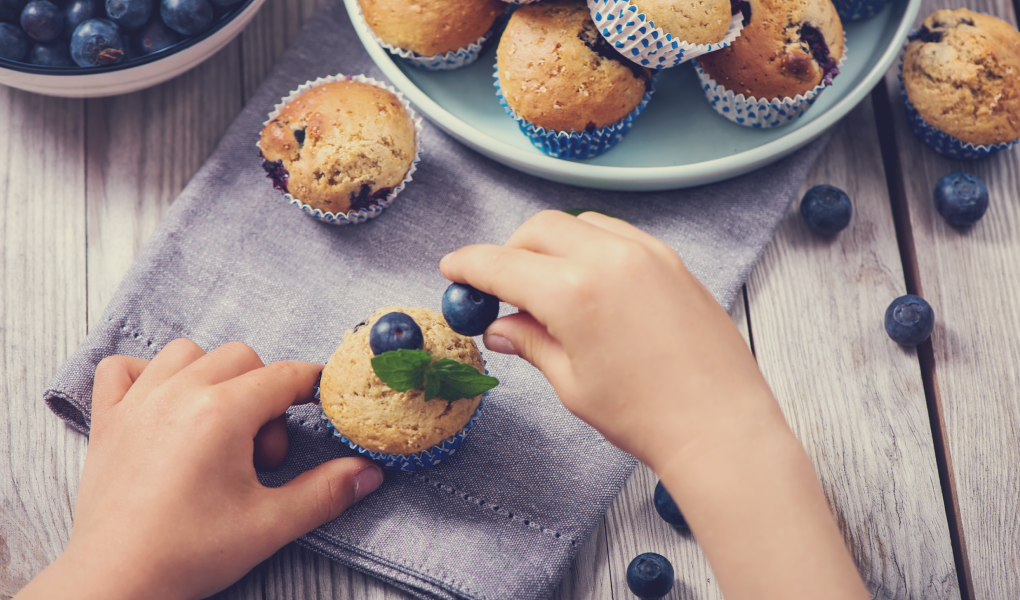
- Packaged baked goods like cookies and muffins
- Ice creams and frozen desserts
- Sauces, dressings, and seasonings
In all these products, the natural flavoring may come from a plant or animal source and may involve alcohol or other solvents in the extraction process.
Tips for Safe Consumption
- Prefer Certified Products: Look for halal or allergen-free certifications when buying products with natural flavoring.
- Read Ingredient Lists Carefully: Check for alcohol, gelatin, or other animal-derived components.
- Buy Whole Foods When Possible: Use fruits, herbs, and natural extracts at home instead of processed flavorings.
- Educate Yourself on Common Extracts: Knowing which extracts are often alcohol-based or animal-derived helps make informed choices.
- Use Trusted Brands: Choose brands that disclose full ingredient sourcing and processing details.
Conclusion
Natural flavoring is a widespread ingredient in modern processed foods, offering taste and aroma benefits but sometimes obscuring the exact source of the flavor. While derived from plants or animals, natural flavoring may not always be halal, healthy, or safe for individuals with allergies.
At Halal Edible, we advise consumers to:
- Be vigilant about natural flavoring sources.
- Verify halal certification or ingredient origin.
- Prioritize whole foods and transparent brands.
By understanding what natural flavoring truly means, you can make informed choices, enjoy flavorful foods, and maintain your dietary, health, and religious standards.