
Gelatin is a widely used ingredient in both food and pharmaceutical products, but its presence can raise halal concerns. Derived from animal collagen—commonly from pork, beef, or fish—gelatin adds texture, stabilizes products, and helps create chewy or gel-like consistencies. For Muslims following a halal and tayyib diet, understanding which foods contain gelatin is essential for making informed choices.
At Halal Edible, we explore common foods that contain gelatin, the halal concerns surrounding it, and tips for ensuring your diet remains halal.
What Is Gelatin?
Gelatin is a protein obtained from collagen, found in animal skin, bones, and connective tissues. It is widely used because it can:
- Provide chewy texture in candies and desserts.
- Stabilize products like yogurts, marshmallows, and ice cream.
- Act as a thickener or gelling agent in various recipes.
- Encapsulate vitamins and supplements in softgel capsules.
Important: The halal status of gelatin depends entirely on its source and processing method. Gelatin derived from pork or non-zabiha animals is haram, while plant-based or halal-certified sources are permissible.
Why Gelatin Is Common in Foods
Gelatin is favored by the food industry due to its versatility:
- Texture Enhancement: Gives chewy, bouncy, or jelly-like consistency.
- Stability: Prevents separation of ingredients in products like yogurt and puddings.
- Shelf Life Extension: Helps maintain product consistency during storage.
- Binding Agent: Useful in gummies, marshmallows, and gelatin desserts.
Common Foods That Contain Gelatin
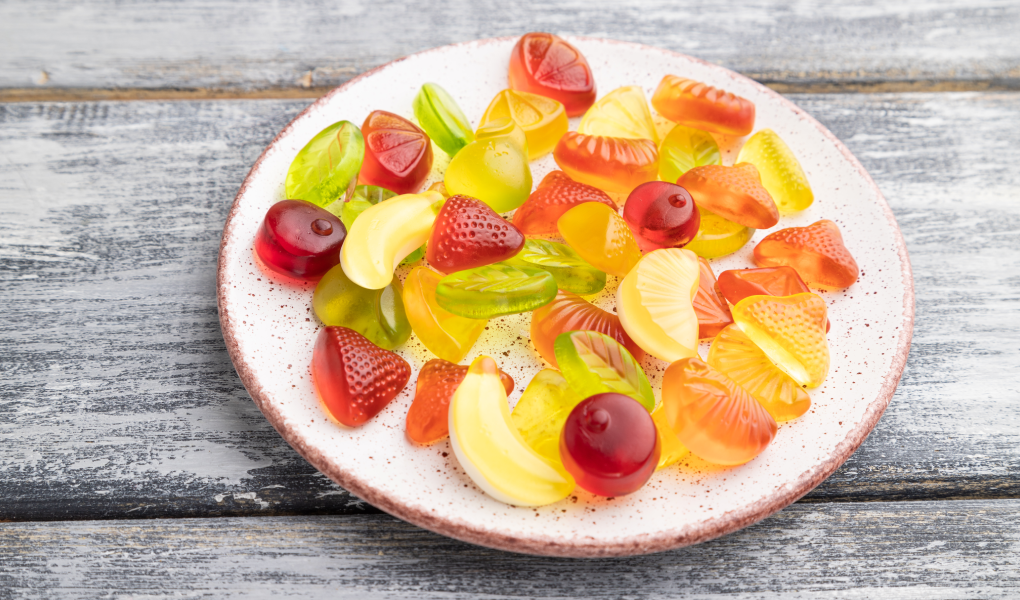
1. Gummies and Jelly Candies
- Examples: Gummy bears, gummy worms, jelly beans.
- Use: Gelatin provides chewiness and holds shape.
- Halal Tip: Look for plant-based or halal-certified gummies, as most commercial brands use pork gelatin.
2. Marshmallows
- Use: Gelatin stabilizes marshmallow foam and gives elasticity.
- Halal Tip: Traditional marshmallows often contain pork gelatin. Halal alternatives use agar-agar or plant-based gelatin.
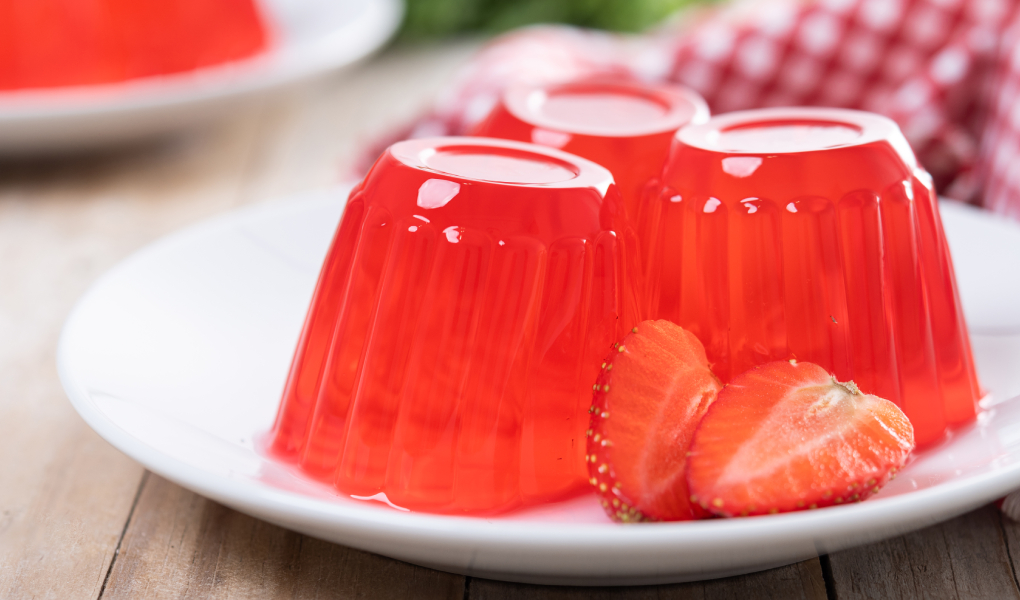
3. Gelatin Desserts
- Examples: Jelly cups, panna cotta, mousse.
- Use: Forms a gel-like structure.
- Halal Tip: Ensure desserts are made with halal-certified or plant-based gelatin.
4. Yogurts and Dairy Products
- Examples: Flavored yogurt, yogurt drinks, cream cheese spreads.
- Use: Gelatin prevents water separation and improves texture.
- Halal Tip: Check labels for gelatin or E441, and prefer halal-certified brands.
5. Ice Cream
- Use: Stabilizes texture and prevents ice crystallization.
- Halal Tip: Some ice creams contain pork or non-zabiha gelatin—choose halal-certified or plant-based options.
6. Chewable Vitamins and Supplements
- Use: Gelatin forms softgel capsules for vitamins like fish oil, vitamin D, and multivitamins.
- Halal Tip: Look for vegetarian, fish-based, or halal-certified capsules.
7. Canned Foods and Aspics
- Examples: Meat aspics, gelatin-based desserts in cans.
- Use: Gelatin holds the shape of the food and thickens broths.
- Halal Tip: Check if gelatin is plant-based or halal-certified, especially in meat-based aspics.
8. Marshmallow Toppings and Frostings
- Use: Provides creamy, fluffy texture in toppings for cakes, hot chocolate, and desserts.
- Halal Tip: Confirm if gelatin is plant-based for halal compliance.
9. Fruit Snacks and Chews
- Use: Provides chewy consistency in gummy-style fruit snacks.
- Halal Tip: Many fruit snacks contain pork gelatin; halal-certified versions are available.
10. Jellied Meat Products
- Examples: Some luncheon meats, gelatin-coated cold cuts.
- Use: Gelatin binds meat juices and maintains texture.
- Halal Tip: Avoid non-zabiha meat gelatin; opt for halal-certified brands.
Recognizing Gelatin on Food Labels
- Gelatin may be listed as “gelatin”, “pork gelatin”, or “bovine gelatin”.
- In Europe, gelatin is sometimes labeled as E441.
- Plant-based alternatives may be labeled as agar-agar, carrageenan, or pectin.
Tip: If the label does not specify the source, it is safer to assume it might be haram unless the product is halal-certified.
Health and Tayib Considerations
- Ethical Sourcing: Halal-certified gelatin ensures animals are slaughtered according to Islamic law.
- Wholesome Ingredients: Plant-based gelatin aligns with the concept of tayyib, promoting ethical and healthy consumption.
- Family Safety: Using halal-certified gelatin ensures that children and guests are not exposed to haram ingredients.
Tips for Halal Gelatin Consumption
- Always check for halal certification on processed foods.
- Prefer plant-based or fish-based gelatin to avoid uncertainty.
- Avoid ambiguous terms such as “gelatin” or “E441” without source verification.
- Make homemade alternatives using agar-agar or pectin for jellies and desserts.
- Educate yourself about foods that commonly contain gelatin.
Homemade Gelatin Alternatives
For homemade gelatin desserts:
Ingredients:
- 1 cup fruit juice (orange, apple, or berry)
- 2–3 tablespoons agar-agar or pectin
- 2 tablespoons sugar or honey
- 1 teaspoon lemon juice
Instructions:
- Heat fruit juice in a saucepan.
- Whisk in agar-agar and sugar.
- Boil for 3–5 minutes until dissolved.
- Add lemon juice and pour into molds.
- Chill until set and enjoy halal gelatin desserts.
Benefit: Complete control over ingredients ensures a halal and tayyib dessert.
Conclusion
Gelatin is a versatile ingredient found in a wide range of foods, from candies and marshmallows to yogurts and vitamins. However, for Muslims, the source of gelatin determines whether a product is halal. Pork and non-zabiha animal gelatin are haram, while plant-based, fish-based, or halal-certified gelatin is permissible.
At Halal Edible, we recommend:
- Always reading labels carefully to identify gelatin sources.
- Choosing halal-certified or plant-based gelatin products.
- Making homemade gelatin desserts for full control over ingredients.
- Educating yourself about common foods containing gelatin.
By being vigilant, Muslims can enjoy chewy candies, desserts, supplements, and more without compromising faith or ethics, ensuring a diet that is both halal and tayyib.