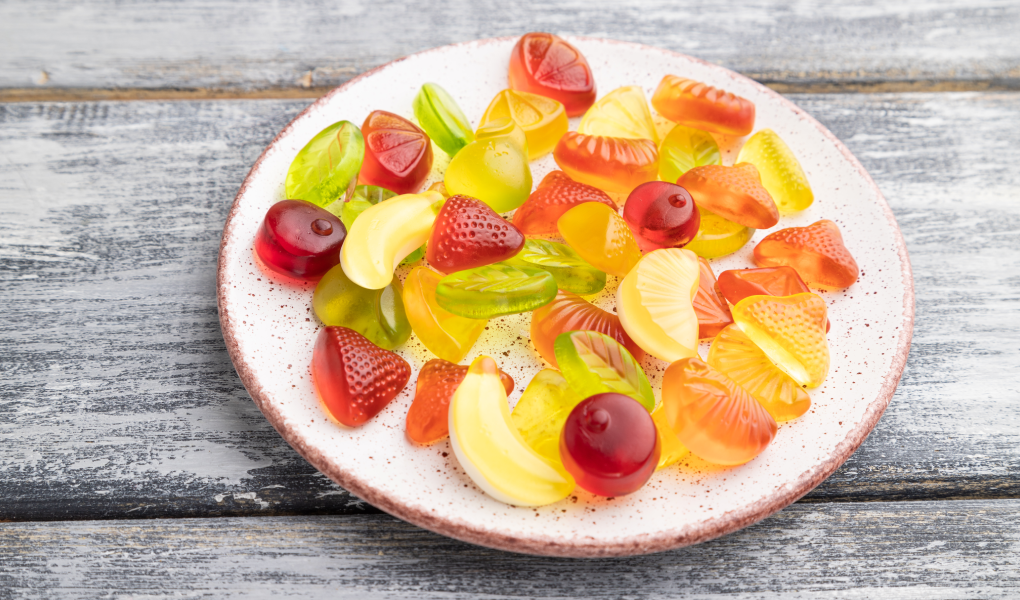

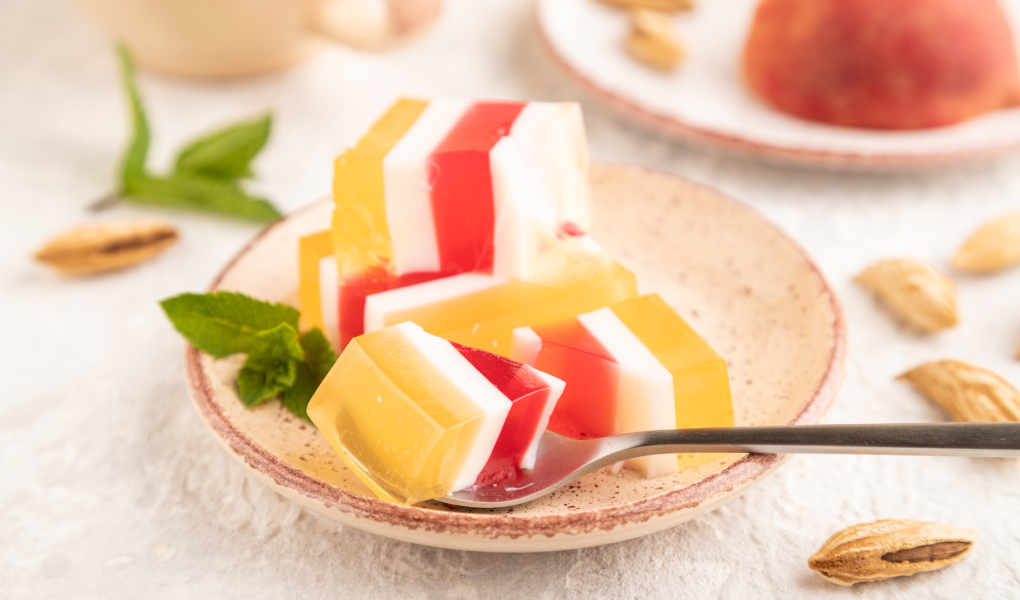
Gelatin is widely used in foods like gummies, marshmallows, jellies, and desserts. However, for Muslims following a halal and tayyib diet, gelatin can be problematic if sourced from pork or non-zabiha animals. This has led to the growing popularity of plant-based substitutes, with pectin emerging as one of the most versatile and halal-friendly alternatives.
At Halal Edible, we explore what pectin is, why it’s a perfect halal substitute for gelatin, its uses, and how to incorporate it into your cooking and baking.
What Is Pectin?
Pectin is a natural carbohydrate found in fruits, especially citrus fruits and apples. It is classified as a soluble dietary fiber and has unique gelling properties, making it ideal for thickening and stabilizing foods.
Key Characteristics:
- Found naturally in fruit skins and peels.
- Helps form gels or jellies when combined with sugar and acid.
- Used extensively in jams, jellies, marmalades, gummies, and desserts.
- Completely plant-based, making it naturally halal.
Why Pectin Is a Good Halal Gelatin Substitute
1. Plant-Based and Halal
- Unlike gelatin, pectin is derived from plants, so it avoids all concerns about pork or non-zabiha animal sources.
- Perfect for Muslims looking to maintain a halal and tayyib diet.
2. Versatility in Cooking
- Pectin can replace gelatin in desserts, candies, jellies, and jams.
- Works in both sweet and savory applications, like fruit preserves or vegetable aspics.
3. Health Benefits
- Pectin is rich in dietary fiber, which can help with digestion and maintaining healthy cholesterol levels.
- Unlike gelatin, it is cholesterol-free and low in fat.
- Aids in blood sugar management when consumed with fruits, making it beneficial for diabetics.
4. Easy to Use
- Pectin is available in powdered or liquid form, making it easy to integrate into recipes.
- Requires minimal cooking and sets quickly compared to gelatin.
How Pectin Works
Pectin gels through a combination of sugar, acid, and heat:
- High-Methoxyl Pectin (HM Pectin):
- Requires sugar and acid to form a gel.
- Ideal for jams, jellies, and fruit preserves.
- Low-Methoxyl Pectin (LM Pectin):
- Sets with calcium ions instead of sugar.
- Suitable for low-sugar or sugar-free products.
Cooking Tip: Acidic fruits like apples, citrus, and berries naturally provide the acid needed for gelling.
Common Foods Where Pectin Can Replace Gelatin
| Food Type | Use of Pectin | Benefit |
|---|---|---|
| Jams & Jellies | Gelling agent | Natural fruit-based, halal-friendly |
| Gummies & Candies | Texture & chewiness | Plant-based alternative to gelatin |
| Marshmallows | Stabilizer | Can be combined with agar-agar for fluffy texture |
| Yogurts & Desserts | Thickener | Avoids animal-derived gelatin |
| Fruit Snacks | Gel formation | Halal, suitable for children |
| Sauces & Dressings | Stabilizer | Prevents separation in liquid products |
How to Substitute Pectin for Gelatin
Basic Guidelines:
- 1 tablespoon of gelatin ≈ 2–3 tablespoons of powdered pectin (depending on recipe and type of pectin).
- Mix pectin with sugar before adding to liquids to prevent clumping.
- Boil or heat the mixture to activate gelling properties, then cool to set.
- Adjust acid (lemon juice or fruit juice) to help pectin gel properly.
Tips:
- For gummies or candies, combine pectin with fruit puree for natural flavor and sweetness.
- For marshmallows, use pectin and agar-agar together to replicate the fluffy, chewy texture of gelatin.
- For low-sugar jams, use low-methoxyl pectin to gel without added sugar.
Health Advantages of Using Pectin
- Dietary Fiber Source: Supports digestion and gut health.
- Cholesterol Management: Can reduce LDL cholesterol absorption.
- Blood Sugar Support: Slows sugar absorption, making it suitable for diabetic-friendly recipes.
- Low Calorie & Plant-Based: Perfect for health-conscious and halal consumers.
Pectin vs Gelatin: Key Differences
| Feature | Gelatin | Pectin |
|---|---|---|
| Source | Animal (pork, beef, fish) | Plant (fruit skins, citrus, apples) |
| Halal Status | Halal only if zabiha or certified | Naturally halal |
| Nutritional Benefits | Protein source | Fiber, cholesterol-free |
| Gelling Mechanism | Collagen-based, sets when cooled | Sugar & acid-based, sets with heat |
| Uses | Gummies, marshmallows, capsules | Jams, jellies, gummies, desserts |
| Versatility | Limited to sweet/chewy foods | Sweet, savory, and low-sugar applications |
Tips for Halal-Conscious Consumers
- Choose Pectin for Homemade Desserts: Make jellies, gummies, and jams at home to ensure halal ingredients.
- Look for Plant-Based Gelatin Alternatives in Packaged Foods: Agar-agar, pectin, or carrageenan are all halal options.
- Avoid Ambiguous Gelatin Labels: If gelatin is listed without a source, assume it could be haram.
- Use Halal-Certified Products: For commercial gummies, marshmallows, and jellies.
- Experiment in Recipes: Pectin can often mimic gelatin with minor adjustments in sugar and acidity.
Simple Halal Gummy Recipe Using Pectin
Ingredients:
- 1 cup fruit juice (orange, apple, or mixed berries)
- 3 tablespoons powdered pectin
- 2–3 tablespoons sugar or honey
- 1 teaspoon lemon juice
Instructions:
- Heat fruit juice in a saucepan.
- Whisk in pectin and sugar until fully dissolved.
- Boil for 2–3 minutes, stirring constantly.
- Add lemon juice and pour into molds.
- Chill until firm and enjoy halal gummies!
Benefit: Complete control over ingredients ensures a 100% halal and tayyib snack.
Conclusion
Pectin is a versatile, plant-based, and halal-friendly alternative to gelatin. Its gelling properties make it suitable for gummies, marshmallows, jams, jellies, and desserts, while providing additional health benefits like dietary fiber and low-calorie content.
At Halal Edible, we recommend:
- Using pectin as a substitute for gelatin to maintain halal and tayyib compliance.
- Choosing halal-certified or plant-based products when buying packaged foods.
- Educating yourself about gelatin alternatives like agar-agar, carrageenan, and pectin.
- Making homemade desserts with pectin to fully control ingredients.
By incorporating pectin into your diet, you can enjoy the texture and sweetness of gelatin-based foods while staying true to Islamic dietary principles.