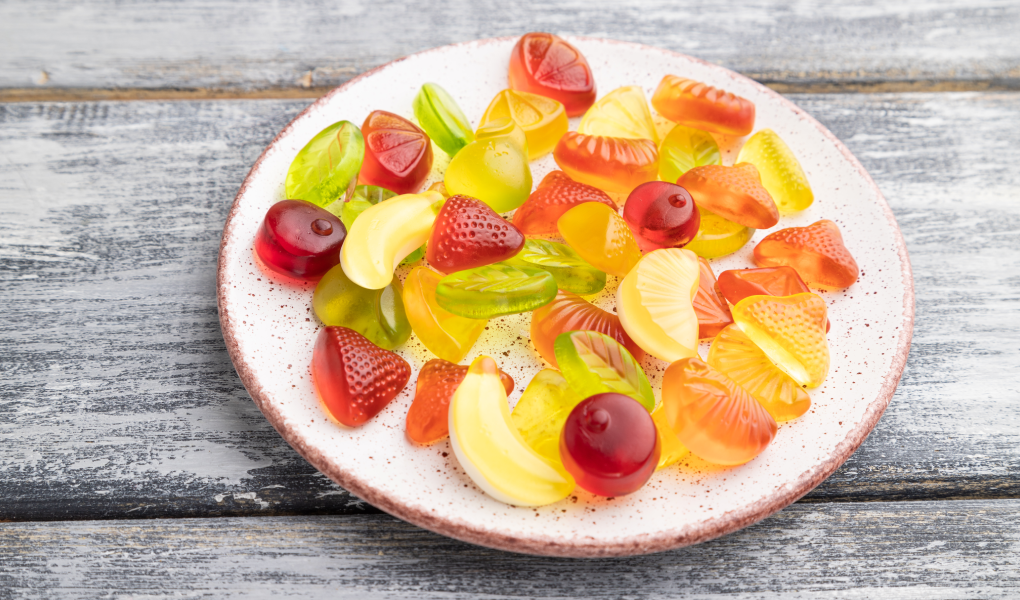

Gelatin is a common ingredient used in desserts, gummies, marshmallows, and other foods to provide a chewy texture and stability. However, for Muslims following a halal and tayyib diet, gelatin can pose concerns because it is often derived from pork or non-zabiha animals.
This has led many to explore plant-based alternatives, with agar-agar emerging as one of the most versatile options. At Halal Edible, we explore the differences between agar-agar and gelatin, their uses, health benefits, and why agar-agar is a preferred halal substitute.
What Is Gelatin?
Gelatin is a protein obtained from collagen, which comes from animal skin, bones, and connective tissues.
Uses in food:
- Gummies and candies
- Marshmallows and jellies
- Ice cream and yogurt
- Softgel capsules for vitamins and supplements
Halal Concerns:
- Pork gelatin is haram.
- Gelatin from non-zabiha animals is also not halal.
- The source is often not specified on labels, making verification necessary.
Nutritional Aspect:
- Gelatin is rich in protein but contains no dietary fiber.
- Lacks vitamins and minerals, providing mainly structural benefits in food.
What Is Agar-Agar?
Agar-agar is a natural gelling agent derived from red algae. It is 100% plant-based, making it naturally halal and suitable for vegetarian and vegan diets.
Key Properties:
- Forms a firm gel that is more heat-stable than gelatin.
- Works well in both sweet and savory dishes.
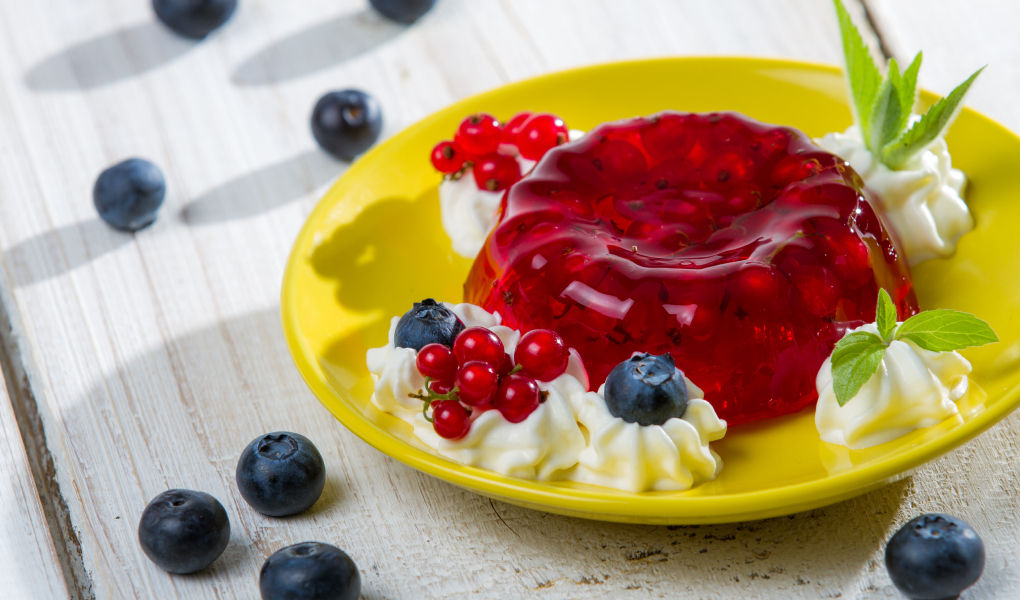
- Provides texture in jellies, puddings, candies, and desserts.
Nutritional Aspect:
- Rich in dietary fiber, aiding digestion.
- Low in calories and cholesterol-free.
- Contains trace minerals like calcium, magnesium, and iron.
Agar Agar vs Gelatin: Key Differences
| Feature | Gelatin | Agar-Agar |
|---|---|---|
| Source | Animal (pork, beef, fish) | Red algae (plant-based) |
| Halal Status | Only halal if zabiha or certified | Naturally halal |
| Texture | Soft, chewy, melts in the mouth | Firm, slightly brittle, does not melt at room temperature |
| Gelling Temperature | Sets when cooled | Sets at room temperature, melts at higher temperatures |
| Uses | Gummies, marshmallows, desserts, vitamins | Jellies, puddings, vegan desserts, savory aspics |
| Nutritional Benefits | Protein | Fiber, minerals, low-calorie |
| Dietary Restrictions | Not suitable for vegetarians or vegans unless certified | Suitable for vegetarians and vegans |
Advantages of Agar-Agar Over Gelatin
- Halal-Friendly:
- Plant-based and naturally halal, suitable for Muslims.
- Vegetarian and Vegan Friendly:
- Works for those avoiding animal products for ethical or dietary reasons.
- Heat Stability:
- Agar-agar gels at higher temperatures, making it ideal for recipes that need to withstand heat.
- Health Benefits:
- Contains dietary fiber, helping with digestion and cholesterol management.
- Low in calories, making it suitable for weight-conscious diets.
- Versatility:
- Can be used in sweet and savory dishes, unlike gelatin, which is more suited for sweet applications.
How to Substitute Agar-Agar for Gelatin
Basic Conversion Guidelines:
- 1 teaspoon of agar-agar powder ≈ 1 tablespoon of powdered gelatin (varies by recipe).
- Agar-agar requires boiling in liquid to activate gelling properties.
- Sets at room temperature and forms a firmer gel than gelatin.
Tips:
- For soft textures, reduce the amount of agar-agar slightly.
- Combine agar-agar with pectin or fruit purees to mimic gelatin’s mouthfeel in gummies.
- Agar-agar does not melt in the mouth as gelatin does; for a softer texture, mix with other plant-based gelling agents.
Common Foods That Use Agar-Agar
- Vegan Gummies and Candies: Plant-based alternative to traditional gelatin candies.
- Jellies and Puddings: Sweet or savory gelatin desserts.
- Marshmallow Alternatives: Combined with other gelling agents like pectin.
- Fruit Snacks: Halal-friendly chewy fruit treats.
- Dairy-Free Desserts: Vegan yogurts, puddings, and mousse.
- Savory Aspics: Gelled vegetable or seafood dishes.
Health Benefits of Agar-Agar
- Digestive Support: Acts as a natural fiber supplement, aiding gut health.
- Cholesterol Management: Helps reduce LDL cholesterol absorption.
- Weight Management: Low-calorie and filling, promoting satiety.
- Mineral Content: Contains calcium, iron, and magnesium, which are absent in gelatin.
Halal Considerations
- Always Prefer Plant-Based Sources: Agar-agar is naturally halal, eliminating the need to check animal sources.
- Check Packaging: Ensure the product is free from additives derived from haram sources.
- Halal-Certified Products: Many commercial agar-agar products are certified halal for extra assurance.
- Read Labels Carefully: Even with plant-based gelling agents, verify that no alcohol-based flavorings or colorings are included.
Tips for Using Agar-Agar in Cooking
- Boil in liquid for full activation before adding to other ingredients.
- Combine with acid or sugar if needed, as some recipes require adjustments for proper gelation.
- Cool at room temperature to set; refrigeration can make the gel slightly firmer.
- Experiment with textures: Agar-agar is firmer than gelatin, so adjust amounts based on desired chewiness.
Conclusion
Agar-agar is a versatile, plant-based, and halal-friendly alternative to gelatin, making it ideal for Muslims who want to maintain a halal and tayyib diet. Its firm texture, heat stability, and nutritional benefits make it suitable for a wide range of sweet and savory dishes, from gummies and jellies to puddings and vegan desserts.
At Halal Edible, we recommend:
- Replacing gelatin with agar-agar for homemade and commercial desserts.
- Choosing halal-certified plant-based products for packaged foods.
- Experimenting with recipes to achieve desired textures and flavors.
- Educating yourself about halal gelling agents to ensure ethical and permissible consumption.
By incorporating agar-agar into your diet, you can enjoy gelatin-like textures and desserts while staying true to Islamic dietary principles.