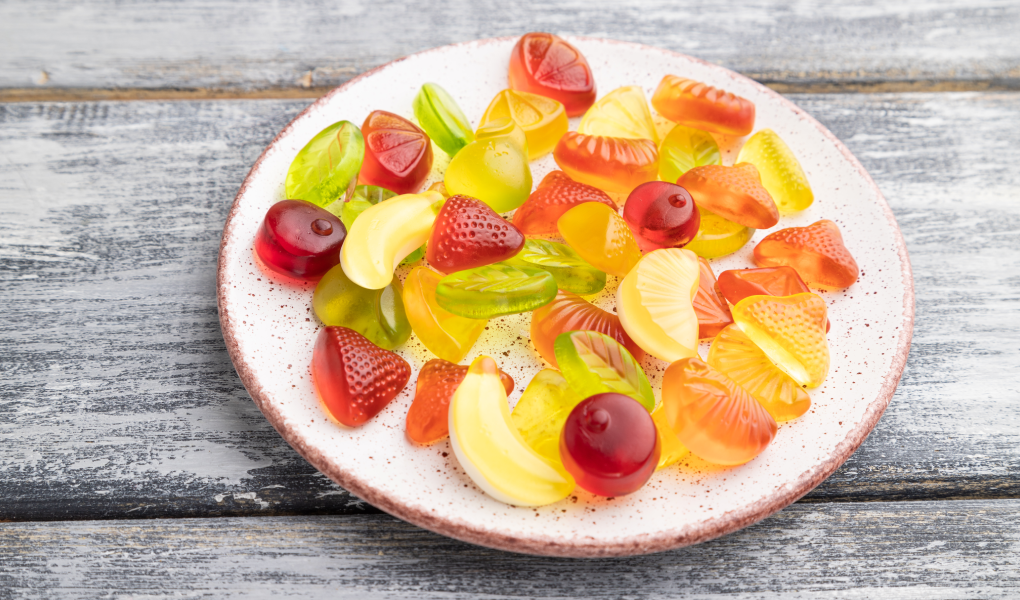

Gelatin is a common ingredient in gummies, marshmallows, desserts, and capsules, but for Muslims, its source often raises concerns. Traditional gelatin is made from pork or non-zabiha animals, making it haram in Islam.
At Halal Edible, we explore the best halal alternatives to gelatin, how they can be used in cooking and baking, and their benefits for a halal and tayyib diet.
Why Look for Gelatin Alternatives?
Gelatin provides a unique chewy texture, gel formation, and stability in food products. However, its animal-based origins create challenges for Muslims:
- Pork gelatin is strictly haram.
- Non-zabiha beef gelatin is also not permissible.
- Cross-contamination can occur in commercial products.
To enjoy gummies, desserts, and other treats without compromising halal principles, alternatives are essential.
Plant-Based Gelatin Substitutes
1. Agar-Agar
Agar-agar is a plant-based gelling agent derived from red algae, widely used as a gelatin substitute.
Key Features:
- Sets at room temperature and does not melt easily.
- Provides a firm, gel-like texture, suitable for jellies, puddings, and candies.
- Naturally halal and vegan-friendly.
Tips for Use:
- Boil agar-agar powder in liquid before adding other ingredients.
- 1 teaspoon of agar-agar powder can replace 1 tablespoon of gelatin powder (adjust depending on recipe).
- Combine with fruit purees or sweeteners for softer textures.
Uses:
- Vegan gummies
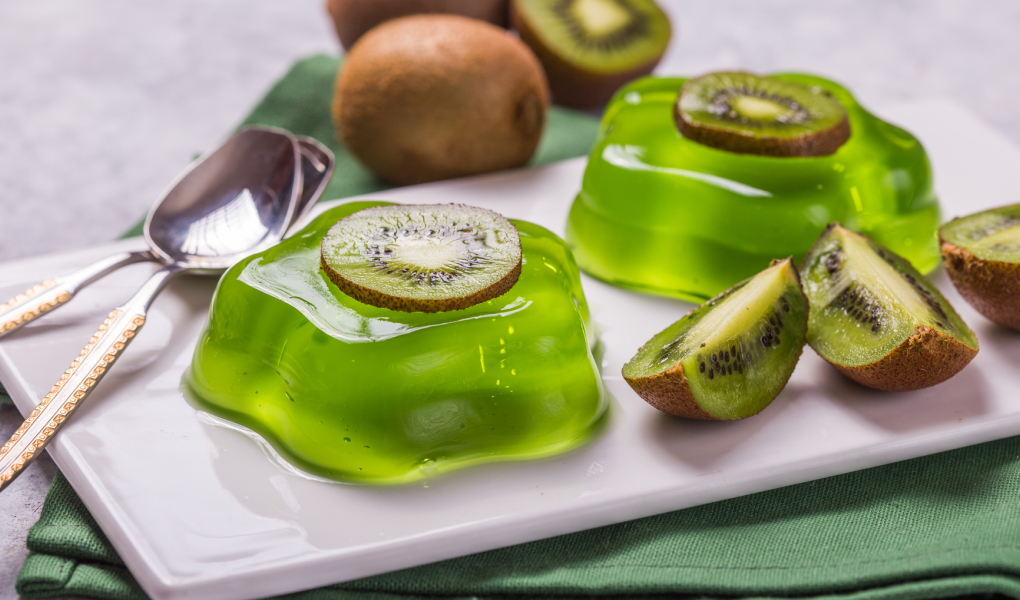
- Fruit jellies
- Puddings and mousse
- Halal dessert recipes
2. Pectin
Pectin is a natural fiber extracted from fruits, especially citrus fruits and apples.
Key Features:
- Provides a gel-like texture in jams, jellies, and soft candies.
- Naturally halal and free from animal products.
- Requires sugar and acid to gel properly.
Tips for Use:
- Use high-methoxyl pectin for sweet recipes like fruit jams.
- Low-methoxyl pectin is ideal for sugar-free or reduced-sugar products.
Uses:
- Halal fruit jams and preserves
- Soft vegan gummies
- Jellied desserts
3. Carrageenan
Carrageenan is derived from red seaweed and is commonly used as a thickening and gelling agent.
Key Features:
- Adds texture and stability to dairy and non-dairy desserts.
- Halal and suitable for vegan diets.
- Works well in puddings, chocolate fillings, and custards.
Tips for Use:
- Combine with milk or plant-based milk for smooth desserts.
- Heat to activate gelling properties before adding sweeteners or flavorings.
Uses:
- Halal chocolate mousse
- Puddings and custards
- Yogurts and dairy alternatives
4. Tapioca and Cornstarch
Tapioca and cornstarch are plant-based thickeners commonly used in desserts.
Key Features:
- Do not provide the same chewiness as gelatin but work well for soft gels and puddings.
- Halal, widely available, and inexpensive.
- Can be combined with agar-agar or pectin for improved texture.
Tips for Use:
- Dissolve starch in cold liquid before heating to avoid lumps.
- Cook until the mixture thickens, then cool for gel-like texture.
Uses:
- Halal puddings and custards
- Fruit fillings and pie toppings
- Vegan dessert recipes
Advantages of Using Halal Gelatin Alternatives
- Halal Compliance:
- Completely avoids pork and non-zabiha animal sources.
- Plant-Based and Vegan-Friendly:
- Suitable for vegetarians, vegans, and those avoiding animal products.
- Health Benefits:
- Many alternatives like agar-agar and pectin contain dietary fiber, aiding digestion and gut health.
- Low-calorie and free from cholesterol.
- Versatility in Cooking:
- Work in a variety of recipes, from sweets to savory dishes.
- Ethical and Wholesome:
- Align with the concept of tayyib eating in Islam.
Tips for Cooking and Baking with Gelatin Substitutes
- Adjust Proportions Carefully:
- Agar-agar and pectin can form firmer gels than gelatin; reduce quantities for soft textures.
- Combine Substitutes:
- Mix agar-agar with pectin or starch for a more gelatin-like chewiness.
- Boil for Activation:
- Plant-based gelling agents often require heat to activate.
- Experiment with Flavors:
- Use natural fruit juices, syrups, or extracts to enhance taste alongside substitutes.
- Cool Properly:
- Let desserts set at room temperature or refrigerate as needed to achieve the desired texture.
Popular Halal Recipes Using Gelatin Alternatives
- Vegan Gummies: Agar-agar + fruit juice + sweetener
- Fruit Jellies: Pectin + citrus juice + sugar
- Chocolate Mousse: Carrageenan + plant-based milk + cocoa powder
- Puddings and Custards: Tapioca or cornstarch + plant milk + natural flavorings
These recipes replicate the texture and taste of gelatin-based desserts while remaining fully halal and tayyib.
Conclusion
Gelatin is widely used in food products but poses halal concerns due to its animal-based sources. Fortunately, there are several plant-based alternatives that provide similar texture and functionality:
- Agar-Agar – versatile, firm gel, suitable for vegan and halal desserts.
- Pectin – ideal for jams, jellies, and soft candies.
- Carrageenan – perfect for puddings, custards, and chocolate mousse.
- Tapioca and Cornstarch – simple thickeners for soft gels and puddings.
At Halal Edible, we recommend:
- Always checking ingredients and labels for halal certification.
- Experimenting with plant-based substitutes in recipes.
- Combining gelling agents for improved texture.
- Choosing wholesome and ethical ingredients for a tayyib diet.
By using halal alternatives, you can enjoy delicious desserts, gummies, and candies without compromising your faith or health.