
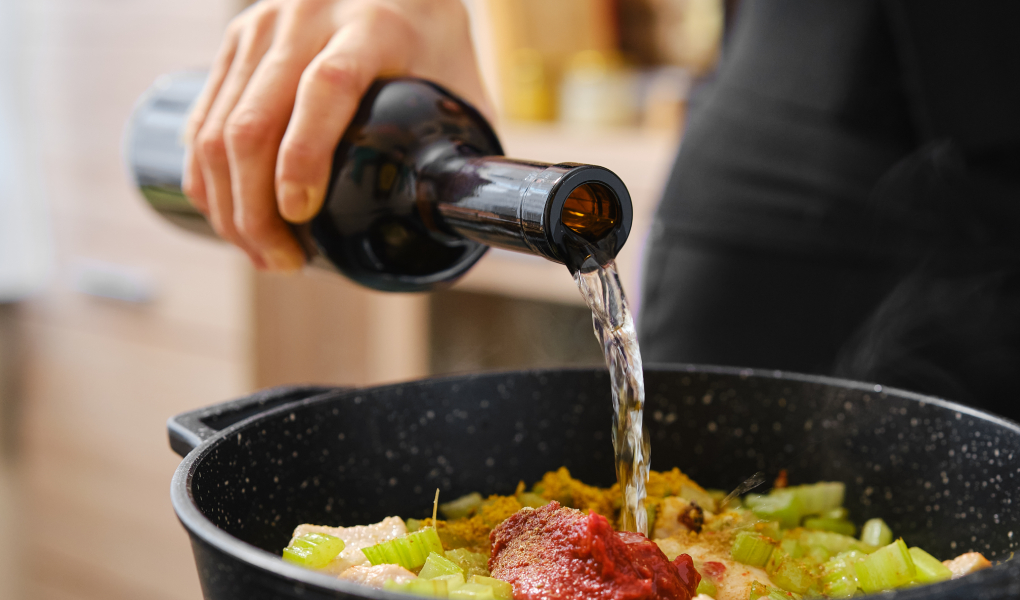
Alcohol is widely used in cooking for flavor enhancement, deglazing, and as a preservative. From wine sauces to certain extracts, alcohol can impart a distinct taste that many chefs and home cooks rely on. However, for Muslims following a halal and tayyib diet, consuming alcohol—even in small amounts used in cooking—is not permissible.
At Halal Edible, we explore halal alternatives to alcohol, how to use them in recipes, and tips for achieving the same flavor, aroma, and texture without compromising Islamic dietary principles.
Why Alcohol Is Used in Cooking
Alcohol serves several purposes in the kitchen:
- Flavor Enhancement:
- Adds depth and complexity to sauces, soups, and marinades.
- Extracts and intensifies flavors from herbs, spices, and fruits.
- Deglazing Pans:
- Helps dissolve browned bits from sautéed meats or vegetables.
- Contributes to richer sauces and gravies.
- Preservation:
- Alcohol in extracts or spirits acts as a natural preservative for flavor concentrates.
- Texture and Aroma:
- Some baked goods, desserts, and sauces rely on alcohol to create lightness and enhance aromas.
Halal Concern: Alcohol, even in small amounts, is haram. Cooking does not always remove alcohol completely, and therefore Muslims need alternatives that are halal and tayyib.
Halal-Friendly Alcohol Alternatives
1. Fruit Juices
- Examples: Apple juice, grape juice, orange juice, pomegranate juice.
- Uses: Can replace wine or sherry in sauces, stews, and marinades.
- Flavor Tip: Use unsweetened juices to avoid altering the dish’s flavor.
- Example: Replace ½ cup of red wine with ½ cup of grape juice in beef stew.
2. Vinegars
- Examples: Apple cider vinegar, balsamic vinegar, rice vinegar.
- Uses: Deglazing pans, adding acidity to sauces and salad dressings.
- Flavor Tip: Dilute strong vinegar with water or juice to mimic wine’s subtle flavor.
- Example: Mix 1 tablespoon balsamic vinegar with 3 tablespoons water to replace ¼ cup red wine.
3. Broths and Stocks
- Examples: Chicken, beef, or vegetable stock.
- Uses: Adds depth to sauces and gravies without alcohol.
- Flavor Tip: Reduce the stock slightly over heat to intensify flavor.
- Example: Replace white wine in risotto with an equal amount of chicken or vegetable stock.
4. Non-Alcoholic Wines and Beers
- Examples: Non-alcoholic red or white wines, non-alcoholic beer.
- Uses: Can substitute for traditional wine in cooking.
- Halal Tip: Ensure the product contains 0% alcohol, verified through labels.
- Flavor Tip: Taste test before adding, as some non-alcoholic beverages may be sweeter.
5. Citrus Zest and Juice
- Examples: Lemon, lime, orange zest, or juice.
- Uses: Adds acidity and brightness similar to white wine or sherry.
- Flavor Tip: Combine with a small amount of stock or water for a balanced flavor.
- Example: Use lemon juice and zest to brighten sauces for fish or chicken dishes.
6. Extracts and Flavored Syrups
- Examples: Vanilla extract, almond extract, maple syrup, honey.
- Uses: Baking and desserts to mimic flavors that alcohol would typically enhance.
- Halal Tip: Choose alcohol-free extracts or homemade versions using water or glycerin as a solvent.
- Example: Replace rum extract with rum-flavored alcohol-free extract for cakes.
7. Tomato Paste and Purees
- Uses: Adds richness, umami, and depth to sauces, especially in meat dishes.
- Flavor Tip: Saute with olive oil or butter to enhance the caramelized taste that alcohol might provide.
Tips for Cooking with Halal Alcohol Alternatives
- Adjust Sweetness and Acidity:
- Alcohol often adds a subtle sweetness; balance with a pinch of sugar or honey if needed.
- Add acid (lemon, vinegar, or tomato paste) to mimic wine’s tang.
- Reduce Liquids Carefully:
- Juices, broths, and vinegars may require longer reduction to achieve concentrated flavors.
- Layer Flavors:
- Use herbs, spices, and aromatics alongside halal substitutes to create depth in sauces and stews.
- Taste Test Often:
- Adjust seasoning as you cook, as substitutes may alter flavor intensity.
- Use Alcohol-Free Extracts in Baking:
- Many dessert recipes call for vanilla, rum, or almond extracts; ensure they are alcohol-free to maintain halal compliance.
Common Dishes and Halal Substitutes
| Dish | Traditional Alcohol Use | Halal Alternative |
|---|---|---|
| Beef Bourguignon | Red wine | Grape juice + beef stock |
| Coq au Vin | Red wine | Chicken stock + balsamic vinegar |
| Tiramisu | Marsala wine | Alcohol-free coffee extract or flavored syrup |
| Apple Pie | Brandy or rum | Apple juice + vanilla extract |
| Risotto | White wine | Vegetable or chicken stock + lemon juice |
| Sauces for Meat | Wine for deglazing | Vinegar, citrus juice, or stock |
Benefits of Using Halal Alternatives
- Spiritual Compliance: Keeps meals in line with Islamic dietary laws.
- Health Benefits: Reduces alcohol consumption, even in small amounts, for overall wellness.
- Family-Friendly: Suitable for children and guests who avoid alcohol.
- Versatility: Many substitutes, such as fruit juices and broths, also enhance flavor naturally.
DIY Alcohol-Free Extracts for Halal Cooking
For baking and desserts, you can create your own alcohol-free extracts:
Vanilla Extract Substitute:
- Mix 1 cup water with 2 teaspoons vanilla beans or vanilla paste.
- Simmer for 10 minutes and store in a bottle.
Rum or Brandy Substitute:
- Combine ½ cup apple or grape juice with 1 teaspoon molasses or maple syrup.
- Use in cakes, puddings, or pastries.
Almond Extract Substitute:
- Use ½ teaspoon almond essence (alcohol-free) per teaspoon of extract called for in the recipe.
Conclusion
Alcohol is a common ingredient in cooking and baking, but Muslims following a halal diet need alternatives that maintain flavor, texture, and aroma without violating dietary laws.
At Halal Edible, we recommend:
- Using fruit juices, broths, or vinegar to replace wine and spirits in cooking.
- Choosing non-alcoholic, halal-certified extracts for desserts.
- Experimenting with citrus, tomato paste, and herbs to enhance natural flavors.
- Educating yourself about halal substitutes to maintain a tayyib diet.
With these halal alternatives, you can enjoy rich sauces, flavorful stews, and delicious desserts while remaining faithful to Islamic dietary principles. Cooking halal does not mean sacrificing taste—it means choosing wholesome, ethical, and permissible ingredients.