
For Muslims following a halal diet, the consumption of alcohol is strictly prohibited. But vinegar often raises a question: Does vinegar contain alcohol, and can it be considered halal? Many recipes and food products use vinegar as a key ingredient, making this a common concern in kitchens worldwide.
At Halal Edible, we explore the relationship between vinegar and alcohol, the Islamic perspective on vinegar consumption, and practical tips for ensuring your diet remains halal and tayyib.
What Is Vinegar?
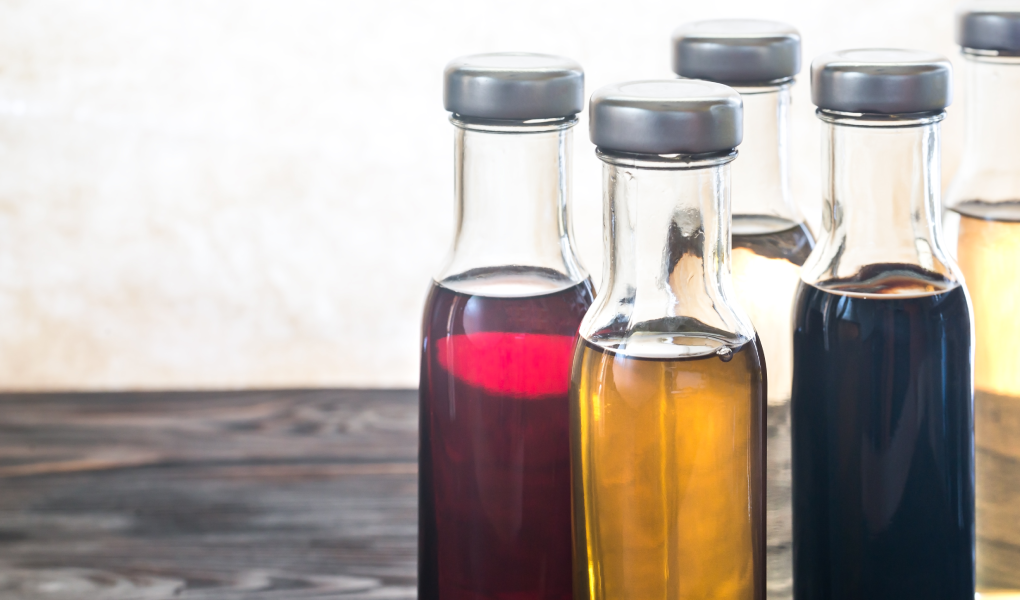
Vinegar is a sour-tasting liquid produced through fermentation. It is used in cooking, pickling, salad dressings, sauces, and marinades. The basic types of vinegar include:
- White vinegar – made from distilled grain alcohol.
- Apple cider vinegar – from fermented apple juice.
- Wine vinegar – derived from red or white wine.
- Rice vinegar – made from fermented rice or rice wine.
- Balsamic vinegar – from fermented grape juice.
All vinegars result from two-step fermentation:
- Alcoholic Fermentation: Sugars in fruits, grains, or rice are converted into alcohol by yeast.
- Acetic Acid Fermentation: Specific bacteria (Acetobacter) convert alcohol into acetic acid, creating vinegar.
Does Vinegar Contain Alcohol?
The process of making vinegar naturally removes alcohol:
- During acetic acid fermentation, nearly all ethanol is converted to acetic acid.
- Commercial vinegar typically contains less than 0.1% residual alcohol, often considered negligible.
- However, certain flavored vinegars or unpasteurized varieties may retain trace amounts of alcohol.
Key Insight: Pure, properly fermented vinegar is considered non-intoxicating and halal by most Islamic scholars.
Islamic Perspective on Vinegar
Historically, vinegar has been mentioned positively in Islamic texts:
- The Prophet Muhammad (peace be upon him) reportedly said: “Vinegar is a blessing, and it is from blessings of Allah, so use it in your food.”
- Classical scholars consider vinegar derived from wine (red or white) to be halal if the alcohol has fully transformed into vinegar.
Scholarly Consensus
- Majority of scholars (Hanafi, Shafi’i, Maliki, Hanbali) permit vinegar even if it originates from wine.
- The principle: fermentation transforming alcohol into a non-intoxicating substance makes it permissible.
- The focus is on the intoxicating property of alcohol. Since vinegar does not intoxicate, it is halal.
Types of Vinegar and Their Halal Status
| Vinegar Type | Source | Halal Status | Notes |
|---|---|---|---|
| White vinegar | Grain alcohol | Halal | Ethanol converted fully to acetic acid |
| Apple cider vinegar | Apples | Halal | Naturally fermented; no intoxicating alcohol |
| Wine vinegar | Wine | Halal if fully fermented | Alcohol transforms into acetic acid; non-intoxicating |
| Rice vinegar | Rice or rice wine | Halal if fully fermented | Ensure no added alcohol |
| Balsamic vinegar | Grape juice | Halal | Traditional fermentation; check for additives |
Tip: Always check for flavorings or additives that may contain alcohol.
Vinegar vs Alcohol-Based Ingredients
Vinegar differs from alcohol-based flavor extracts:
| Ingredient | Alcohol Content | Halal Concern |
|---|---|---|
| Vinegar | <0.1% residual alcohol | Halal, non-intoxicating |
| Wine or spirits | 35–40% ethanol | Haram |
| Alcohol-based extracts | 35–40% ethanol | Haram |
Conclusion: Vinegar is naturally halal, whereas cooking wines and extracts with alcohol are haram.
Practical Tips for Using Vinegar in a Halal Diet
- Check the Source: Ensure the vinegar is fully fermented and not blended with wine or alcohol-based flavorings.
- Avoid Flavored or Pre-Mixed Vinegars with Alcohol: Some salad dressings or gourmet vinegars may contain traces of alcohol.
- Choose Halal-Certified Products: Many halal certifications confirm vinegar and related condiments are permissible.
- Use Natural Vinegars: Apple cider vinegar, white distilled vinegar, or rice vinegar are safe and healthy.
- In Cooking: Vinegar can replace wine or alcohol in recipes for sauces, marinades, or pickling.
Health Benefits of Vinegar
In addition to being halal, vinegar offers multiple health benefits:
- Supports Digestion: Improves gut health and balances pH.
- Blood Sugar Control: Apple cider vinegar may help regulate blood sugar after meals.
- Weight Management: Can promote satiety and reduce appetite.
- Antimicrobial Properties: Helps preserve food naturally.
- Flavor Enhancement: Reduces the need for excessive salt or sugar in cooking.
Vinegar is thus a halal, healthful, and tayyib ingredient suitable for everyday cooking.
Sunnah Foods and Vinegar
Islam encourages the use of wholesome foods, and vinegar can complement Sunnah foods:
- Dates and Honey: Vinegar can balance sweet flavors in desserts.
- Olive Oil: Vinegar and olive oil make a healthy salad dressing.
- Barley or Legumes: Vinegar-based dressings enhance nutritional meals.
This combination ensures meals are nutritious, halal, and spiritually aligned.
Summary of Key Points
- Vinegar is produced through fermentation where alcohol is converted to acetic acid, making it non-intoxicating.
- Most scholars agree that vinegar, including wine-based vinegar, is halal if fully fermented.
- Be cautious of flavored vinegars or pre-mixed products that may contain alcohol-based additives.
- Vinegar is a healthy, natural, and tayyib ingredient for cooking, baking, and preservation.
- It can be safely used to replace wine or other haram alcohol ingredients in halal recipes.
Conclusion
For Muslims seeking a halal and tayyib diet, vinegar is a safe and wholesome ingredient. Unlike alcohol-based cooking wines or flavor extracts, vinegar is non-intoxicating, naturally fermented, and permissible.
At Halal Edible, we emphasize the importance of ingredient awareness and mindful cooking. By choosing halal-certified vinegars, avoiding flavored blends with added alcohol, and incorporating Sunnah foods, Muslims can enjoy flavorful, healthy, and halal meals without compromising their faith.
Vinegar not only enhances taste but also supports digestion, blood sugar control, and overall well-being—making it an essential part of a halal, tayyib, and health-conscious kitchen.