
Flavor extracts are widely used in cooking and baking to enhance taste and aroma. Among them, alcohol-based extracts—like vanilla, almond, or rum extract—are particularly common. While they add depth to recipes, they pose an important question for Muslims: Are these extracts halal, and can they be used in a tayyib diet?
At Halal Edible, we explore what alcohol-based flavor extracts are, why alcohol is used, and halal-friendly alternatives for conscious cooking.
What Are Alcohol-Based Flavor Extracts?
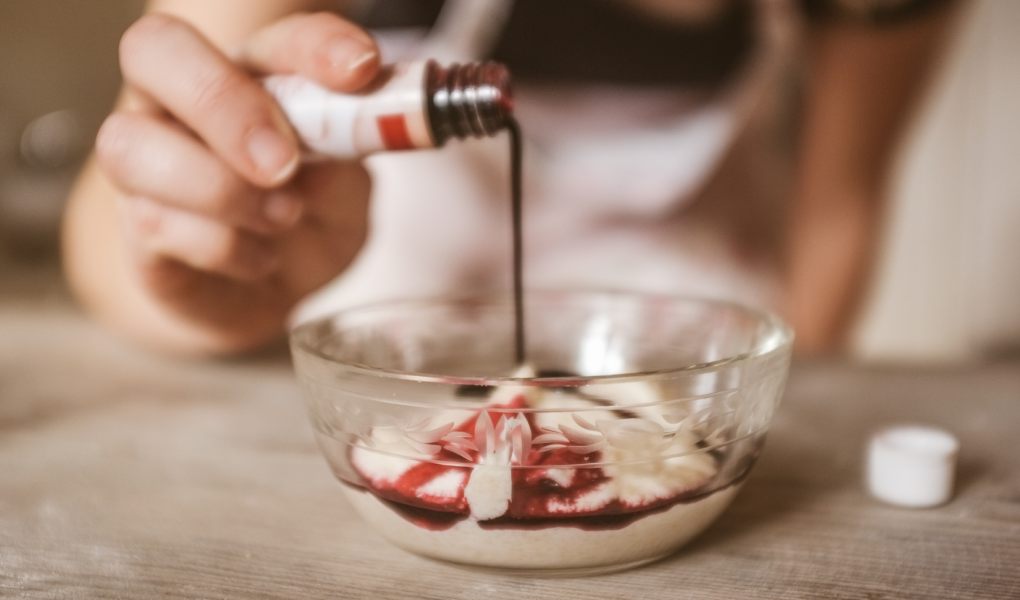
Alcohol-based flavor extracts are concentrated liquids that carry the flavor of natural ingredients. The key characteristics include:
- Flavor Concentration: Extracts provide intense flavors from vanilla beans, nuts, fruits, or spices.
- Solvent: Ethanol (alcohol) is commonly used to dissolve and preserve the flavor compounds.
- Usage: A few drops are enough to flavor cakes, cookies, desserts, beverages, and sauces.
Common alcohol-based extracts include:
- Vanilla extract – used in desserts, pastries, and beverages.
- Almond extract – used in baked goods and sweets.
- Rum or brandy extract – used in cakes, chocolates, and festive desserts.
- Liqueur-flavored extracts – for desserts mimicking alcoholic beverages.
Why Alcohol Is Used in Flavor Extracts
Alcohol is chosen as a solvent for several reasons:
- Efficient Extraction: Alcohol dissolves flavor compounds better than water.
- Preservation: Alcohol prevents microbial growth, extending shelf life.
- Stability: Alcohol preserves the aroma and potency of the extract over time.
Note: Typically, alcohol content in extracts ranges from 35% to 40%, similar to spirits.
Halal Concerns with Alcohol-Based Extracts
For Muslims, the consumption of alcohol in any form is strictly prohibited. The main concerns are:
- Ethanol Content: Even small quantities of alcohol render the product haram.
- Cooking Does Not Remove Alcohol: Recipes using extracts may not eliminate ethanol completely, leaving trace amounts.
- Hidden Alcohol: Many recipes may list “flavor extract” without specifying it contains alcohol, which can mislead consumers.
Islamic Perspective:
- Scholars agree that any intoxicating substance is haram, whether consumed directly or indirectly.
- Using alcohol-based extracts in cooking or baking is not permissible, even if the final dish is cooked.
Common Foods That May Contain Alcohol-Based Extracts
- Cakes and Pastries – Vanilla, almond, or rum extract is often added.
- Chocolate and Confections – Liqueur-flavored chocolates or extracts.
- Beverages and Smoothies – Some coffee syrups or flavorings use alcohol-based extracts.
- Dessert Sauces – Caramel, toffee, and certain syrups may contain alcohol as a flavor carrier.
Tip: Always check the ingredient label for alcohol, ethanol, or unspecified flavor extracts.
Halal Alternatives to Alcohol-Based Extracts
Fortunately, there are several halal-friendly alternatives:
1. Alcohol-Free Extracts
- Many brands offer ethanol-free vanilla or almond extracts.
- These extracts use glycerin, propylene glycol, or water as the solvent instead of alcohol.
- They provide the same flavor without violating halal principles.
2. Natural Ingredients
- Vanilla Beans: Scrape the seeds from the pod into recipes.
- Almonds or Nuts: Grind or blend for almond flavor.
- Citrus Zest: Lemon, orange, or lime zest can enhance flavor naturally.
3. Fruit Juices and Syrups
- Grape juice, apple juice, or pomegranate juice can replace rum or brandy extracts in desserts.
- Maple syrup, date syrup, or honey adds sweetness and depth while remaining halal and tayyib.
4. Homemade Infusions
- Infuse nuts, spices, or herbs in water, oil, or glycerin to create a natural flavoring.
- Example: Infuse cinnamon sticks or cardamom pods in hot water or milk for desserts.
Practical Tips for Using Halal Flavor Extracts
- Check Labels Carefully: Look for halal certification or clear labeling indicating alcohol-free content.
- Use Natural Ingredients: Fresh fruits, nuts, and spices are always halal and nutritious.
- Avoid Ambiguous “Natural Flavors”: These can sometimes contain trace alcohol.
- Modify Recipes: Substitute alcohol-based extracts with fruit juices, syrups, or alcohol-free extracts.
- Cook Mindfully: Remember that heating does not fully remove alcohol content.
Benefits of Avoiding Alcohol-Based Extracts
- Spiritual Compliance: Ensures adherence to halal dietary laws.
- Healthier Option: Alcohol-free extracts reduce exposure to ethanol and chemical additives.
- Tayyib Living: Encourages the use of natural, wholesome, and minimally processed ingredients.
- Family-Friendly: Safe for children and all household members.
Sunnah Foods as Flavor Enhancers
Incorporating Sunnah foods can naturally enhance flavor without alcohol:
- Dates: Natural sweetness for desserts and beverages.
- Honey: Adds aroma and richness.
- Olives and Olive Oil: For savory dishes and Mediterranean recipes.
- Barley and Black Seed: Can be used creatively in baked goods and drinks.
Tip: These ingredients are naturally halal, nutrient-rich, and support a tayyib lifestyle.
Summary of Key Points
- Alcohol-based flavor extracts use ethanol as a solvent, making them haram for Muslims.
- Cooking does not eliminate alcohol completely, so dishes containing extracts remain non-halal.
- Hidden alcohol in flavor extracts can appear in cakes, desserts, chocolates, beverages, and sauces.
- Halal alternatives include alcohol-free extracts, natural ingredients, fruit juices, syrups, and homemade infusions.
- Choosing Sunnah foods and tayyib ingredients ensures both spiritual and nutritional compliance.
Conclusion
Alcohol-based flavor extracts are convenient for baking and cooking, but for Muslims, they pose a significant halal concern. Even a few drops in a recipe can render the dish haram due to residual alcohol content.
At Halal Edible, we recommend:
- Always checking ingredient labels for alcohol.
- Opting for alcohol-free extracts or natural ingredients.
- Using fruit juices, syrups, nuts, spices, and Sunnah foods as flavorful, halal alternatives.
- Cooking mindfully and prioritizing tayyib living.
By being conscious of flavor extracts, Muslims can enjoy delicious, wholesome, and halal dishes while staying true to their faith and ethical eating principles.