
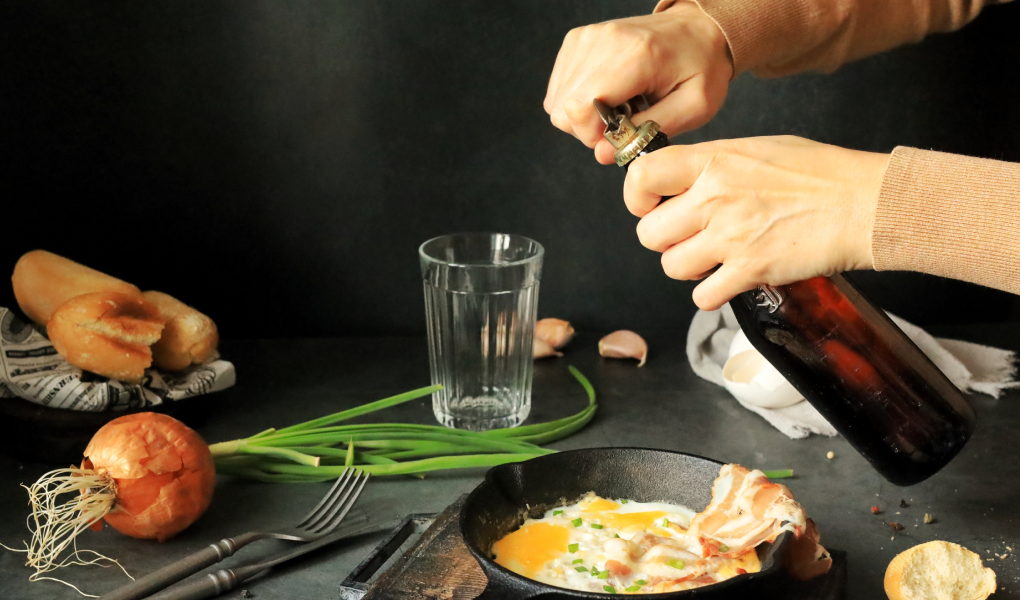
For Muslims following a halal diet, alcohol is strictly prohibited, whether consumed as a drink or present in food. But what happens when alcohol is used in cooking? Many recipes—especially in Western cuisine—call for wine, beer, or spirits. This raises an important question: Does cooking remove alcohol from food, and can these dishes be considered halal?
At Halal Edible, we explore the science of alcohol in cooking, its effects on food, and practical tips for maintaining halal compliance in the kitchen.
Understanding Alcohol in Cooking
Alcohol is used in cooking for several purposes:
- Flavor Enhancement: Wine, beer, and spirits add depth to sauces, marinades, and desserts.
- Tenderizing Meat: Alcohol breaks down proteins, making meat softer.
- De-glazing: Wine or spirits dissolve browned bits in pans to create flavorful sauces.
- Preservation: Alcohol can act as a mild preservative in certain dishes.
Common examples of alcohol in recipes include:
- Red or white wine in sauces
- Brandy or rum in desserts
- Beer in stews or batters
- Cooking wines with added salt and preservatives
Does Cooking Remove Alcohol?
The short answer: Not completely.
The amount of alcohol that remains in food depends on several factors:
| Cooking Method | Alcohol Retention |
|---|---|
| Flambé (alcohol ignited briefly) | 25% remains |
| Simmering for 15 minutes | 40% remains |
| Baking for 25 minutes | 10% remains |
| Slow cooking for several hours | 5–10% may remain |
| Microwaving for 2–5 minutes | Up to 85% remains |
Insight: Even prolonged cooking does not guarantee that alcohol is completely removed. Trace amounts may remain, making the dish haram according to Islamic dietary laws.
Halal Perspective on Cooking with Alcohol
Islamic scholars agree that:
- Alcohol is haram: Any consumption of alcohol, even in small amounts, is prohibited.
- Cooking does not make it permissible: Since some alcohol remains even after cooking, dishes prepared with wine, beer, or spirits are considered haram.
- Exceptions: Some scholars allow non-alcoholic wine or naturally fermented juices with negligible alcohol if the content is less than 0.5% and does not intoxicate.
Key Point: Using regular alcoholic beverages in cooking cannot be justified as halal, even if most of the alcohol evaporates.
Alternative Halal Ingredients to Replace Alcohol
To maintain flavor without compromising halal principles, you can replace alcohol with halal-friendly substitutes:
1. Wine Alternatives
- Grape Juice: Reduces acidity and adds sweetness to sauces.
- Cranberry or Pomegranate Juice: Adds depth and tanginess.
- Apple or White Grape Juice: Works well in white wine recipes.
Tip: Add a teaspoon of vinegar or lemon juice to balance sweetness and mimic wine acidity.
2. Beer and Ale Substitutes
- Non-Alcoholic Beer: Ensure certified halal if the trace alcohol content is negligible.
- Vegetable or Chicken Broth: Adds savory flavor for stews and batters.
- Carbonated Water: Can mimic lightness in batters or dough.
3. Spirits (Brandy, Rum, Whiskey) Substitutes
- Vanilla Extract: Use alcohol-free versions.
- Fruit Juices: Apple, grape, or pear juices provide sweetness and aroma.
- Molasses or Maple Syrup: Adds depth to desserts.
Note: Always verify the ingredient’s halal certification.
Cooking Practices to Avoid Alcohol
- Check All Ingredients: Some sauces, extracts, and condiments contain alcohol.
- Read Labels Carefully: Certain vanilla extracts or cooking wines may contain 35–40% alcohol.
- Use Halal-Certified Ingredients: Always prefer certified halal alternatives.
- Avoid Recipes That Require Alcohol: Modify recipes to use fruit juices, vinegars, or broths instead.
- Educate Your Household or Staff: Ensure everyone cooking for halal consumption understands the risks.
Why Halal Awareness Matters in the Kitchen
- Spiritual Compliance: Maintaining halal standards is a form of worship and obedience to Allah.
- Health Benefits: Avoiding alcohol also reduces exposure to potential toxins and calories.
- Ethical Consistency: Halal eating goes beyond meat—it includes all ingredients and cooking practices.
- Protects Family and Guests: Ensures everyone consuming the meal adheres to halal dietary guidelines.
Practical Example: A traditional coq au vin recipe calls for wine. Replacing it with grape juice and vinegar preserves flavor while keeping the dish halal.
Summary of Key Points
- Cooking does not completely remove alcohol. Trace amounts can remain even after long cooking times.
- Alcoholic ingredients are haram, so dishes containing them cannot be considered halal.
- Halal substitutes like fruit juices, broths, vinegar, molasses, and alcohol-free extracts provide safe alternatives.
- Mindful cooking and ingredient checking are essential for maintaining a halal diet.
- Sunnah and tayyib principles support choosing natural, wholesome, and halal ingredients over processed or haram options.
Conclusion
For Muslims aiming to follow a halal and tayyib diet, awareness of alcohol in cooking is crucial. Even a small amount of alcohol in a recipe cannot be ignored, as cooking does not eliminate it completely. The safest approach is to replace alcohol with halal alternatives such as fruit juices, broths, vinegar, or halal-certified flavor extracts.
At Halal Edible, we emphasize:
- Choosing halal-certified and alcohol-free ingredients.
- Adopting cooking practices that align with tayyib living.
- Ensuring meals are wholesome, ethical, and spiritually compliant.
By being mindful in the kitchen, Muslims can enjoy flavorful, nutritious, and halal dishes without compromising faith or health. Clean, thoughtful cooking ensures that every meal nourishes both body and soul, reflecting the true essence of halal and tayyib living.