Introduction
While most consumers know to avoid bacon, ham, and pork chops, the modern food industry has a long history of using pig-derived ingredients in ways that are far from obvious. Pork is one of the most versatile and inexpensive raw materials for industrial food production, and its components can be found in everything from candy and baked goods to toothpaste and capsules. For a Muslim consumer, avoiding “pork” is a complex task that requires a deep understanding of hidden ingredients.
In this article, we will uncover the many ways pork-derived substances are hidden in processed foods and provide you with the knowledge to identify and avoid them. Protecting the purity of your diet is a commitment to your spiritual well-being, and being aware of these hidden additives is a vital part of that journey.
The Many Faces of Pork Additives
Pork-derived ingredients are often hidden behind technical names that do not immediately suggest their animal origin. Some of the most common ones include:
- Lard: This is pure, rendered pig fat. While it used to be a staple in home baking, it is still used in industrial pie crusts, pastries, and some traditional snack foods. Always look for the “Vegetable Oil” or “Halal” label on baked goods.
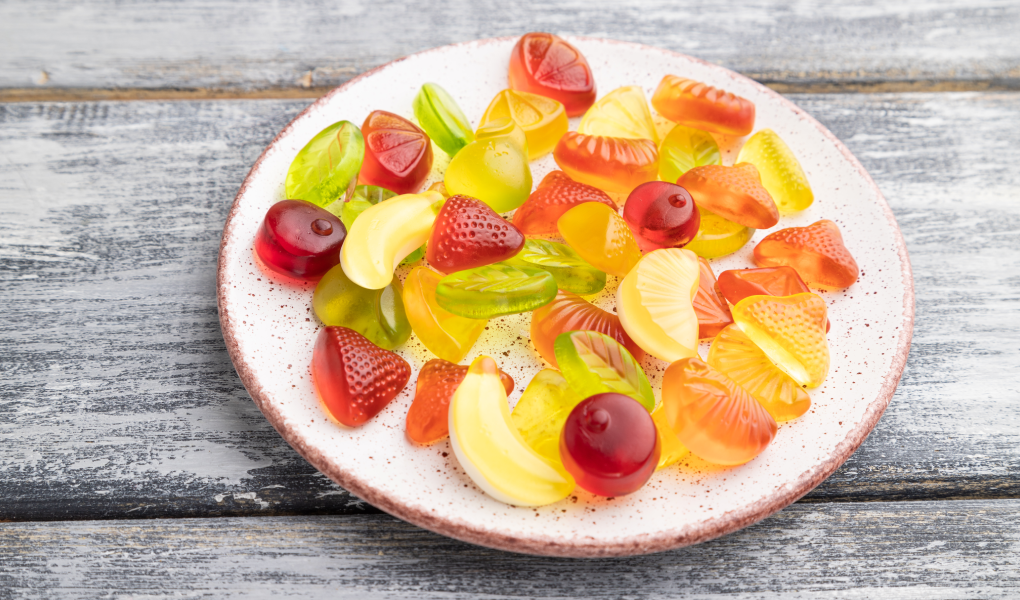
- Porcine Gelatin: As discussed in our previous articles, gelatin is often porcine-sourced unless specified otherwise. It is a key ingredient in gummies, marshmallows, and some yogurts.
- Pepsin: This digestive enzyme used in cheese production and some health supplements is almost always derived from the stomach lining of pigs.
- Stearic Acid: While it can be vegetable-based, stearic acid (used in candies and chewing gum) is frequently derived from animal fats, including pork. Without Halal or Vegan certification, its status remains doubtful.
Cross-Contamination and Manufacturing Lines
Even if a product’s ingredients are ostensibly Halal, the risk of **cross-contamination** remains a major concern. In many large-scale processing plants, the same equipment may be used to process both pork-containing and pork-free products. For a product to be truly Halal, the manufacturing lines must undergo a rigorous cleaning process (Taharah) between production runs to ensure that not even a trace of pork residue remains. This level of oversight is only guaranteed through reputable Halal certification, which audits the entire production environment.
How to Stay Pork-Free
To ensure that your diet is completely free from hidden pork, prioritize the following:
- Seek Halal Certification: This remains the most reliable method for identifying pork-free products in a complex marketplace.
- Look for Vegan or Vegetarian Labels: While not a substitute for Halal certification (as they don’t cover alcohol), these labels do guarantee the absence of animal-derived ingredients like lard or porcine gelatin.
- Avoid Ambiguous Ingredients: If you see terms like “Animal Fat,” “Animal Shortening,” or “Enzymes” without a specific source, it is safer to avoid the product.
Conclusion
Avoiding pork in the modern world is an act of mindfulness and devotion. By learning about the hidden additives and industrial practices that bring pork-derived substances into our food, we can make better, more informed choices for our families. Protecting the purity of our bodies is a core part of our faith, and as informed consumers, we have the power to prioritize our values in every purchase. Stay vigilant, choose certified, and celebrate the wholesome and permissible. Your dedication to a Halal lifestyle is a blessing. Always look for the mark of Halal integrity.