
Introduction
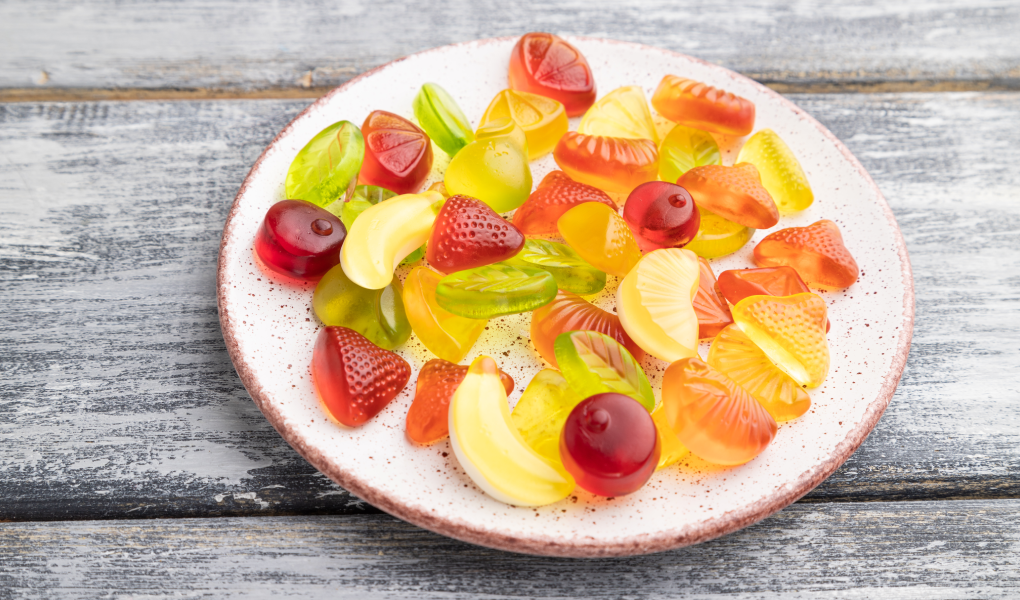
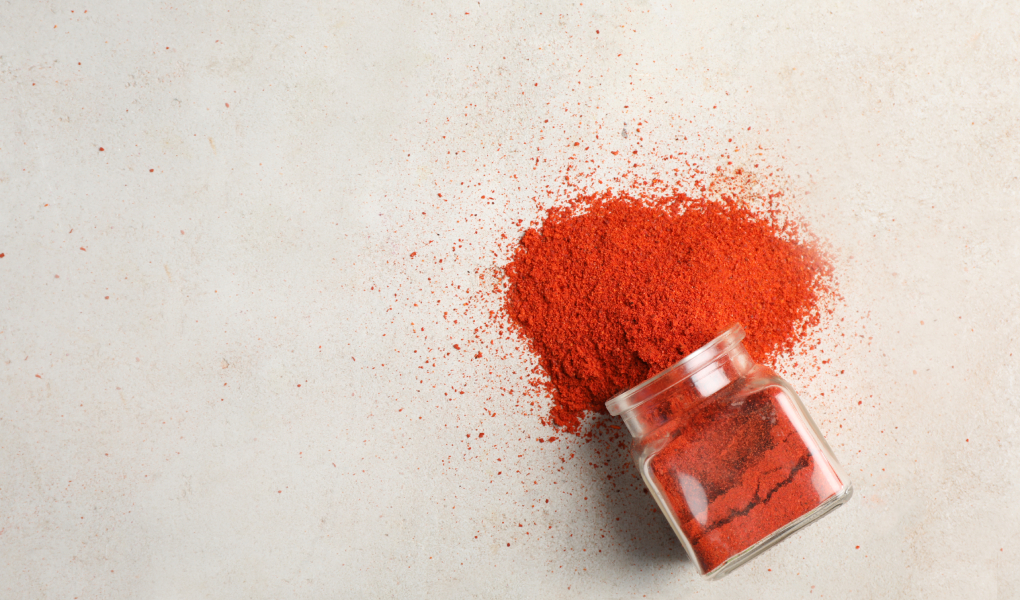
When you look at the vibrant red color of a strawberry yogurt, a fruit snack, or even a lipstick, you might assume it comes from a plant or a synthetic dye. However, in many cases, that color comes from a tiny insect known as the cochineal. **Carmine**, also known as **Cochineal Extract** or **Natural Red 4 (E120)**, is a dye extracted from these crushed insects. For Halal-conscious consumers, this raises a significant question: is it permissible to consume products colored with insect-derived dyes?
While the ruling on insects varies among different schools of Islamic jurisprudence, most modern Halal certification bodies have taken a firm stance on carmine. In this article, we will explore the production of carmine, the scholarly debate surrounding it, and why it is commonly avoided in the Halal food industry.
The Production of Carmine
Carmine is produced by sun-drying particularly female cochineal insects, which are found on prickly pear cacti in Central and South America. These dried insects are then crushed to extract the carminic acid, which is processed with aluminum or calcium salts to create the vivid red pigment used in food and cosmetics. Because it is highly stable and provides a beautiful, natural color, it is a favorite of food manufacturers who want to avoid synthetic dyes like Red 40.
The Scholarly Debate
The permissibility of consuming insects is a point of difference among the major schools of Fiqh. The **Shafi’i, Hanbali, and Hanafi** schools generally consider the consumption of insects—with a few exceptions like locusts—to be **Haram** or **Makruh** (disliked). They argue that insects are not considered “wholesome” for human consumption. On the other hand, the **Maliki** school traditionally permits the consumption of insects if they are killed according to certain conditions. However, in the context of globalized food production, the majority of modern Halal bodies (like JAKIM and MUI) follow the stricter view and categorize Carmine (E120) as **non-Halal**.
How to Avoid Carmine
If you wish to avoid Carmine, reading labels is essential. Look for the terms “Carmine,” “Cochineal Extract,” “Crimson Lake,” or the E-number **E120**. Fortunately, many manufacturers are now switching to plant-based red dyes such as **Beet Juice (Beetroot Red E162)**, **Lycopene (from tomatoes)**, or **Anthocyanins (from grapes/berries)**. Choosing products with a reliable Halal certification logo is the easiest way to ensure that your food is colored with permissible alternatives.
Conclusion
Carmine is a prime example of how even a “natural” ingredient can have complex Halal implications. By understanding its origins and the scholarly consensus, you can make choices that align with your personal convictions and the standards of your community. While the vibrant red of carmine might be appealing, the peace of mind that comes from using pure and plant-based alternatives is far more beautiful. As consumers, our choices send a message to the industry, and by seeking out Halal-friendly dyes, we contribute to a more inclusive and transparent food system. Always check the label, stay informed, and celebrate the purity of a Halal lifestyle.