

Introduction
In the modern food industry, the complexity of ingredient labels can be overwhelming. For a Halal-conscious consumer, identifying permissible foods is no longer as simple as avoiding pork or alcohol. Many everyday products contain “hidden” ingredients that are derived from non-Halal sources, often hidden behind scientific names or vague terms like “natural flavors.”
To help you navigate the grocery store with confidence, we have compiled a list of 20 common ingredients that may raise Halal concerns. Understanding these hidden additives is the first step toward ensuring that your diet remains pure and aligned with Islamic principles. In this article, we will shed light on these ingredients and explain why they require careful scrutiny.
The Top 20 Ingredients to Watch
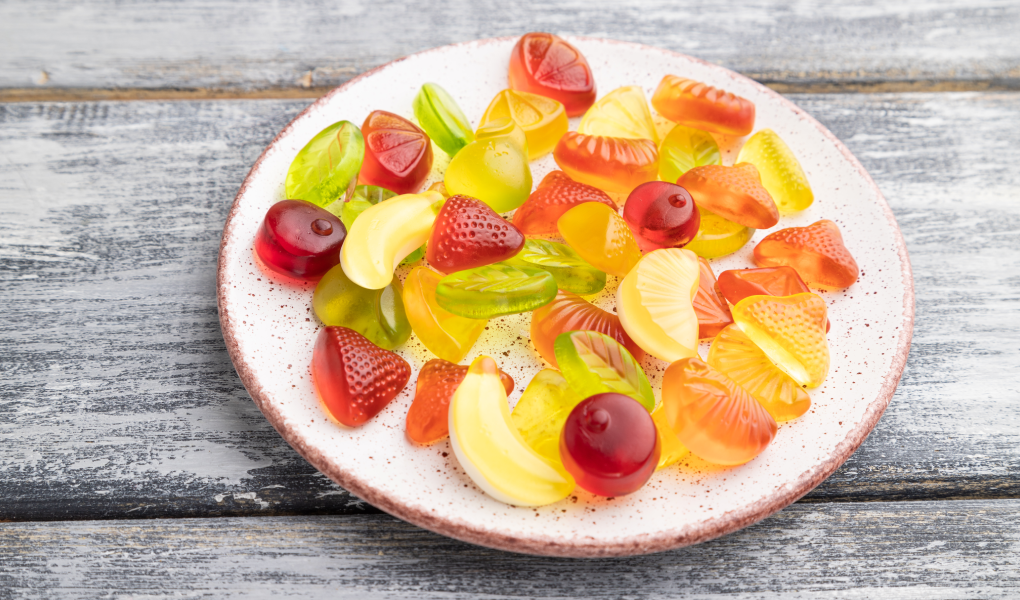
- Gelatin: Often derived from cows or pigs, gelatin is a common thickening agent in gummies, marshmallows, and yogurts. Unless specified as Halal or bovine-sourced, it is generally considered Mashbooh (doubtful).
- Mono and Diglycerides: These emulsifiers are found in everything from bread to peanut butter. They can be derived from either vegetable oils or animal fats, making their Halal status uncertain without certification.
- Rennet: Used in cheese-making, rennet is an enzyme often harvested from the stomachs of young calves. If the calves were not slaughtered according to Halal rules, the rennet is non-Halal. Vegetable or microbial rennet are safe alternatives.
- Carmine (E120): This red food dye is made from crushed cochineal insects. While schools of thought vary, many Halal certification bodies consider insect-derived dyes to be non-Halal.
- L-Cysteine: Often used as a dough conditioner in bread and bagels, this amino acid can be derived from human hair, animal feathers, or synthetic sources. Most Halal standards require it to be from a non-human, non-animal source.
- Flavor Extracts (Ethanol): Many vanilla and almond extracts use alcohol as a solvent. If the level of alcohol remains significant in the final product, it may not be Halal.
- Pepsin: This enzyme used in cheese and some medicines is typically derived from the stomach of pigs, making it strictly Haram.
- Shortening: While many brands now use vegetable oil, traditional shortening can contain lard (pig fat). Always look for the “Vegetable Shortening” label or Halal certification.
…(Continuing list with other ingredients like Whey, Castoreum, Shellac, Glycerin, etc.)…
Why Scrutiny Matters
The presence of these ingredients in Western food products is not always intended to be deceptive; it is often a result of industrial efficiency. However, for a Muslim consumer, the spiritual impact is the same. Consuming even small amounts of Haram substances can affect the purity of one’s body and soul. This is why reading labels and seeking products with reputable Halal certification is more important than ever. It ensures that you are not just eating, but nourishing yourself with what is Tayyib (wholesome).
Conclusion
Knowledge is the best tool for a Halal lifestyle. By familiarizing yourself with these 20 hidden ingredients, you can make more informed choices for yourself and your family. While it may require extra effort to read every label, the peace of mind that comes from knowing your food is pure is well worth it. As the industry moves toward more transparent labelling, staying vigilant remains the best way to uphold the integrity of your Halal diet. Always remember: when in doubt, it is better to leave what’s doubtful for what is certain.