
Ramadan is a time of spiritual reflection, prayer, and fasting from dawn until sunset. While the focus is on spirituality, healthy eating during Ramadan plays a crucial role in maintaining energy, hydration, and overall well-being. At Halal Edible, we believe that balanced, nutritious meals can help you fast comfortably while supporting your health.
In this guide, we’ll explore the principles of healthy Ramadan eating, practical tips for suhoor and iftar, and examples of balanced meals that keep you energized and satisfied.
Why Healthy Eating Matters During Ramadan
Fasting for long hours can be physically challenging, especially when meals are high in sugar, fried foods, or low in nutrients. Eating the right foods ensures:
- Sustained Energy – Balanced meals help maintain blood sugar and prevent fatigue.
- Hydration – Foods rich in water content prevent dehydration.
- Digestive Health – Fiber-rich meals promote smooth digestion and prevent constipation.
- Mood and Focus – Proper nutrition stabilizes mood and supports mental clarity.
- Weight Management – Healthy eating prevents unnecessary weight gain from overeating at iftar.
At Halal Edible, we focus on meals that nourish the body, support fasting, and enhance the Ramadan experience.
Key Principles of Healthy Ramadan Eating
1. Balance Your Meals
A healthy Ramadan meal includes complex carbohydrates, lean proteins, healthy fats, fiber, and hydration. Combining these macronutrients keeps energy levels steady and prevents hunger.
2. Prioritize Whole Foods
Choose whole grains, fresh fruits, vegetables, lean proteins, and unsalted nuts. Whole foods are nutrient-dense and provide longer-lasting energy compared to processed foods.
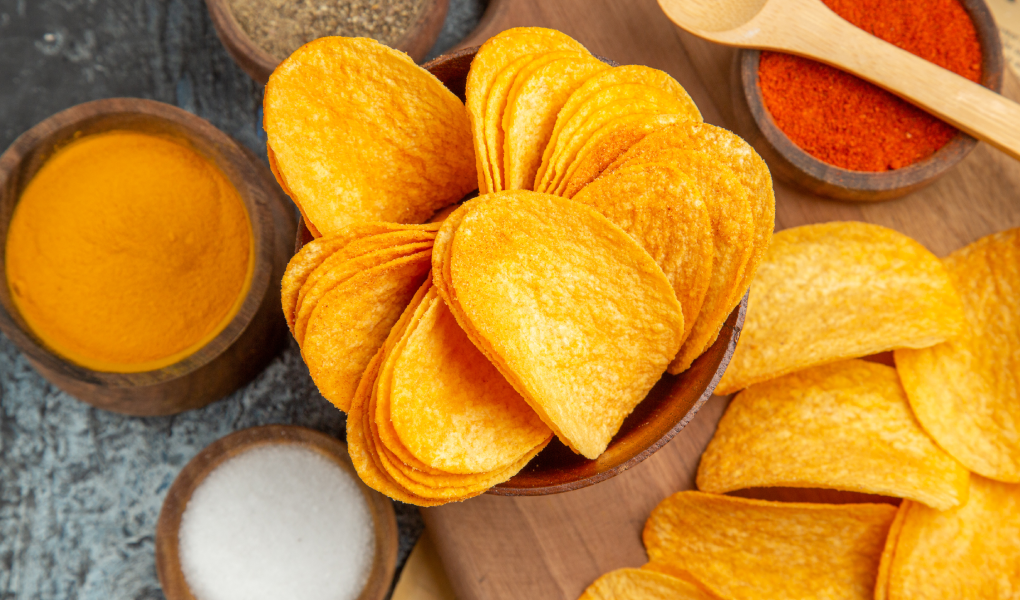
3. Avoid Excessive Sugar and Fried Foods
Sugary desserts and fried foods may taste tempting at iftar, but they cause rapid energy spikes followed by crashes. Instead, enjoy naturally sweet fruits or baked alternatives.
4. Stay Hydrated
Drink plenty of water between iftar and suhoor. Include hydrating foods like cucumbers, watermelon, soups, and smoothies. Limit caffeinated beverages as they can increase fluid loss.
5. Control Portion Sizes
Eating too much at iftar can cause discomfort and digestive issues. Start with small portions, break your fast with dates and water, and then enjoy a balanced main meal.
Healthy Suhoor Tips
Suhoor is the pre-dawn meal that fuels your body for the day of fasting. A healthy suhoor should be nutritious, filling, and hydrating.
Foods to Include at Suhoor:
- Complex Carbs: Oats, whole wheat bread, quinoa, brown rice, sweet potatoes.
- Protein: Eggs, Greek yogurt, cottage cheese, lentils, chickpeas, lean meats.
- Healthy Fats: Avocado, nuts, seeds, olive oil.
- Fruits and Vegetables: Bananas, berries, cucumbers, spinach, tomatoes.
- Hydration: Water, coconut water, herbal teas.
Tip by Halal Edible: Combine slow-digesting carbs, protein, and healthy fats in every suhoor plate to stay full longer and prevent hunger pangs.
Healthy Iftar Tips
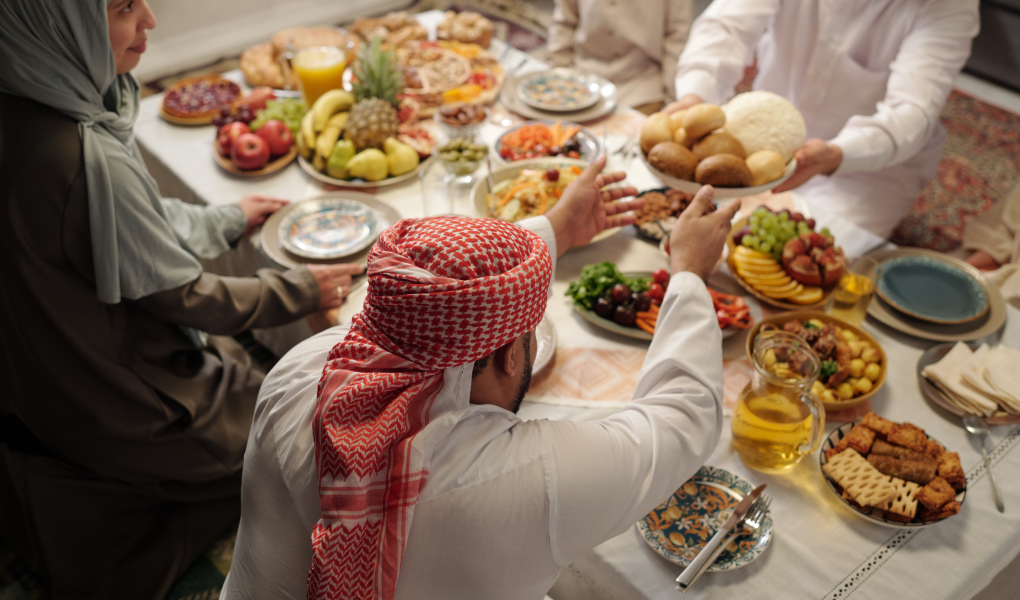
Iftar is the evening meal when you break your fast. Eating mindfully at iftar helps avoid overeating and supports digestion.
How to Structure a Healthy Iftar:
- Break the Fast Slowly: Start with 2–3 dates and a glass of water. Dates provide natural sugar for a gentle energy boost.
- Include a Soup or Salad: Soups are hydrating and vegetables provide fiber and essential vitamins.
- Main Meal: Focus on lean proteins, complex carbs, and healthy fats. Examples include grilled chicken or fish, brown rice, lentil-based dishes, or vegetable stir-fries.
- Limit Fried and Sugary Foods: Enjoy fried foods occasionally, but prioritize baked, grilled, or steamed dishes.
- Finish with Fruits: Fruits like watermelon, oranges, or berries hydrate and satisfy natural sugar cravings.
Sample Healthy Ramadan Meals
Suhoor Ideas:
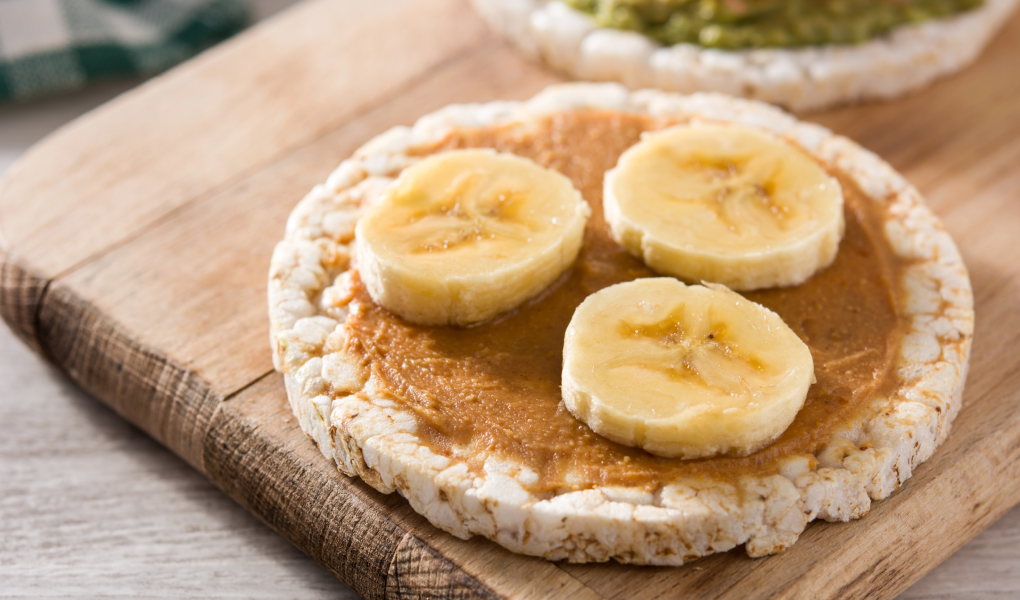
- Oats Bowl: Oats with milk, banana slices, chia seeds, and almonds.
- Egg & Avocado Toast: Whole wheat toast topped with boiled eggs, mashed avocado, and cucumber slices.
- Greek Yogurt Parfait: Greek yogurt layered with berries, oats, and walnuts.
- Lentil Soup with Whole Grain Bread: Light, filling, and rich in protein and fiber.
- Smoothie: Spinach, banana, Greek yogurt, almond milk, and flaxseeds.
Iftar Ideas:
- Dates and Water: Gentle energy boost to break the fast.
- Vegetable Soup: Tomato, lentil, or pumpkin soup for hydration and fiber.
- Grilled Chicken with Quinoa and Vegetables: Lean protein, complex carbs, and fiber.
- Baked Fish with Brown Rice and Salad: Healthy fats, protein, and vitamins.
- Fruit Salad: Seasonal fruits like melon, berries, and orange slices for hydration and natural sweetness.
Snacks During Ramadan
Between iftar and suhoor, healthy snacks help maintain energy and prevent overeating.
Low Sugar, Nutritious Options:
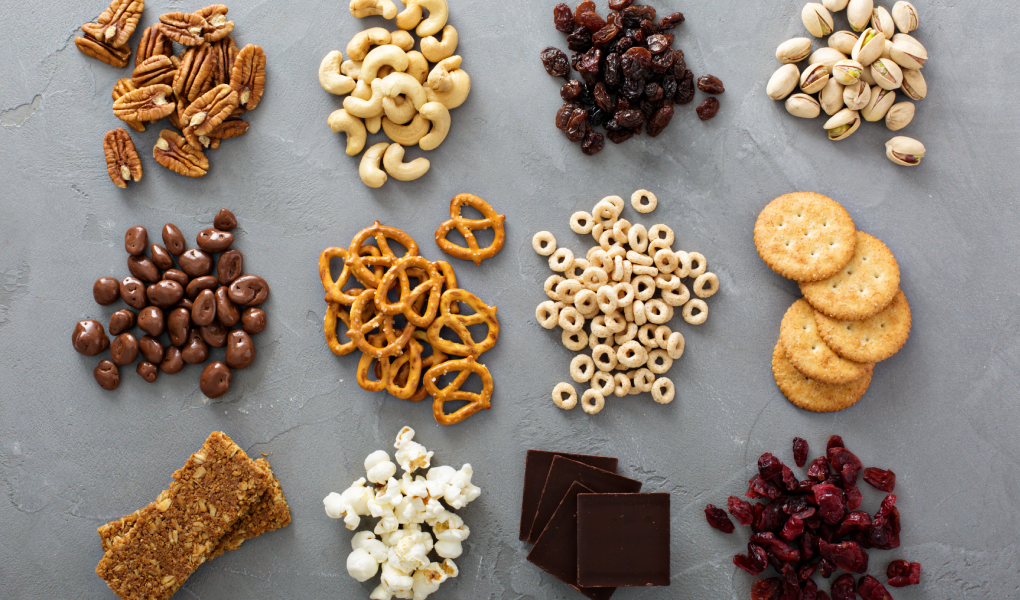
- Nuts and seeds
- Greek yogurt with berries
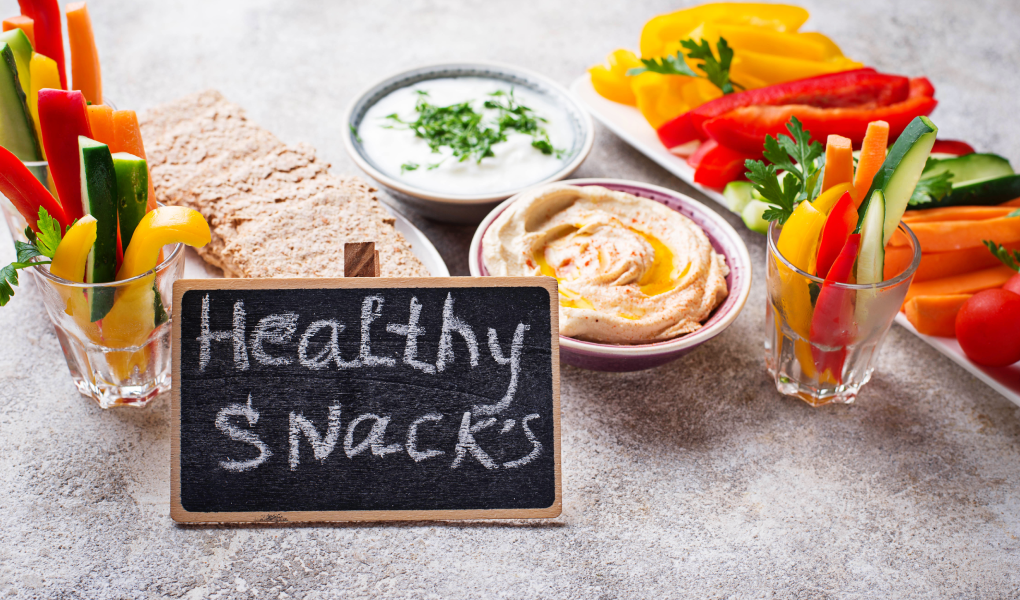
- Raw vegetables with hummus
- Dark chocolate (70% or more) in small portions
- Dates with almond butter
Tip: Keep snacks small and nutrient-dense to maintain balance.
Hydration Strategies
Proper hydration is key during Ramadan. Water alone is not enough—incorporate hydrating foods and beverages:
- Soups and smoothies
- Coconut water
- Water-rich fruits and vegetables (cucumber, watermelon, oranges)
- Herbal teas (caffeine-free)
Avoid excess caffeine and sugary drinks as they can increase dehydration and hunger.
Benefits of Healthy Ramadan Eating
Eating mindfully and healthily during Ramadan provides multiple benefits:
- Stable Energy Levels: Balanced meals prevent fatigue and energy crashes.
- Better Digestion: Fiber-rich foods prevent constipation and support gut health.
- Mental Clarity: Nutrient-dense meals enhance focus and mood.
- Weight Management: Healthy portions and low sugar intake prevent unnecessary weight gain.
- Overall Well-being: Supports immunity, hydration, and long-term health.
Halal Edible Recommendations
At Halal Edible, we emphasize:
- Whole, unprocessed foods for both suhoor and iftar.
- Combining macronutrients (carbs, protein, healthy fats) with fiber and hydration.
- Mindful portion sizes to prevent overeating.
- Low sugar and low fried-food alternatives for snacking.
By following these principles, you can make Ramadan a nourishing, energizing, and sustainable fasting experience.
Final Thoughts
Healthy Ramadan eating is about balance, variety, and mindfulness. From a filling suhoor to a nutrient-packed iftar, the right food choices can keep you energized, hydrated, and focused throughout the day.
At Halal Edible, we encourage incorporating whole grains, lean proteins, healthy fats, fruits, vegetables, and hydrating foods into every meal. Avoid processed foods, sugary snacks, and excessive fried items to maintain well-being.
By adopting these strategies, you can enjoy Ramadan in a way that nourishes both body and soul, ensuring your fasting experience is both healthy and fulfilling.