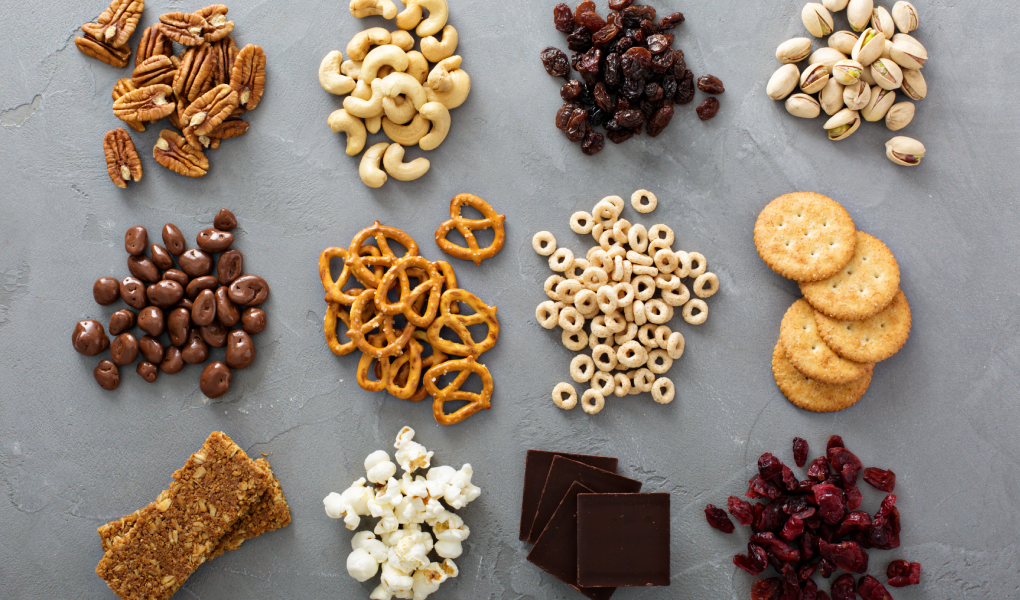

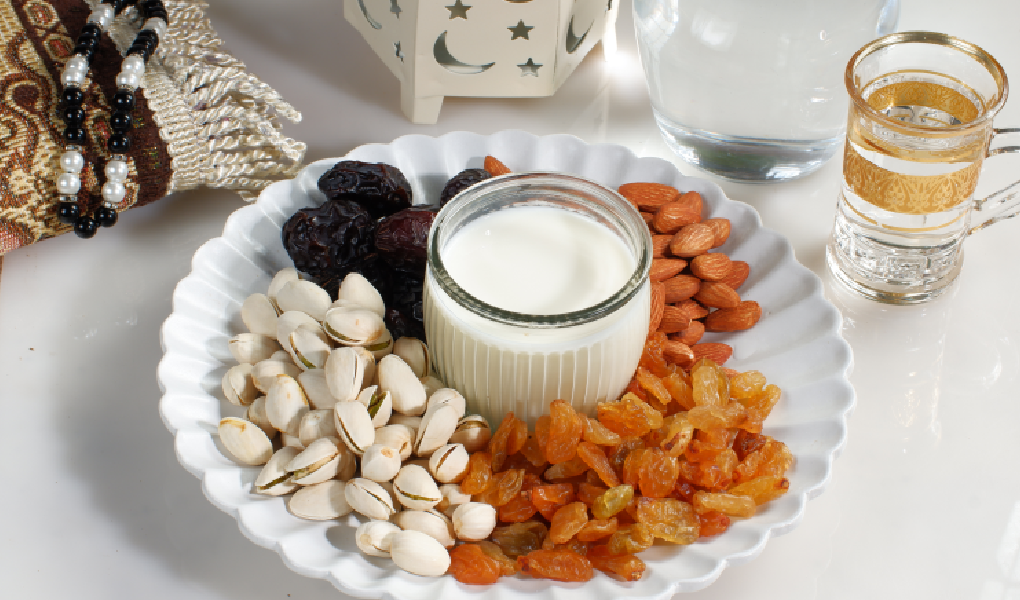
Suhoor, the pre-dawn meal during Ramadan, is vital for fueling your body for the day-long fast. Choosing the right foods ensures sustained energy, hydration, and focus throughout fasting hours. At Halal Edible, we emphasize halal, nutrient-rich foods that help you stay energized, satisfied, and healthy.
This guide explores the best foods for suhoor energy, meal ideas, and practical tips for creating balanced, energizing pre-dawn meals.
Why Choosing the Right Suhoor Foods Matters
The right suhoor foods help you:
- Maintain Energy Levels – Slow-release foods prevent sudden fatigue during fasting.
- Stay Full Longer – Foods rich in protein, fiber, and healthy fats keep hunger at bay.
- Support Hydration – Water-rich foods help maintain fluid balance.
- Promote Digestive Health – Fiber-rich foods prevent constipation during fasting.
- Boost Concentration and Focus – Stable energy levels improve mental performance.
Key Nutrients to Include in Suhoor
To maximize energy, include foods rich in:
- Complex Carbohydrates – Oats, whole grains, quinoa, brown rice
- Proteins – Eggs, Greek yogurt, halal meat, legumes, nuts, seeds
- Healthy Fats – Nuts, avocado, olive oil, nut butters
- Fiber – Vegetables, fruits, whole grains, legumes
- Hydration – Water, milk, coconut water, fruits, and vegetables
Combining these nutrients ensures sustained energy, fullness, and hydration.
Best Foods for Suhoor Energy
1. Oats
- Why They Work: Rich in complex carbohydrates and fiber; slow-digesting for lasting energy.
- How to Include: Overnight oats, hot oatmeal with nuts, or blended oats with fruits.
2. Eggs
- Why They Work: High-quality protein, essential amino acids, and vitamins to keep you full.
- How to Include: Scrambled eggs, omelets with vegetables, or boiled eggs alongside whole-grain toast.
3. Greek Yogurt
- Why They Work: High in protein and probiotics for digestive health.
- How to Include: Parfaits with berries and nuts or blended into smoothies.
4. Whole-Grain Bread and Cereals
- Why They Work: Complex carbs provide slow-releasing energy.
- How to Include: Whole-grain toast with nut butter, whole-grain cereal with milk, or sandwiches with lean protein.
5. Legumes (Chickpeas, Lentils, Beans)
- Why They Work: Plant-based protein and fiber for sustained fullness.
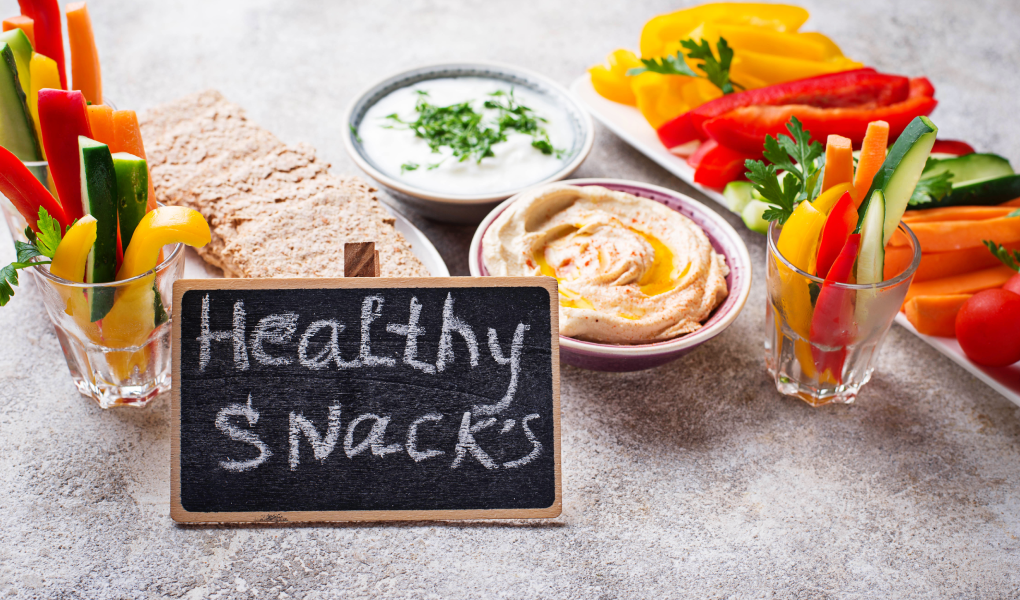
- How to Include: Chickpea salad, lentil soup, or hummus with vegetables.
6. Nuts and Seeds
- Why They Work: Healthy fats, protein, and minerals; keep you full for longer.
- How to Include: Almonds, walnuts, chia seeds, or flaxseeds added to oats, yogurt, or smoothies.
7. Fruits (Low to Moderate Sugar)
- Why They Work: Natural sugars for energy and hydration; rich in fiber and vitamins.
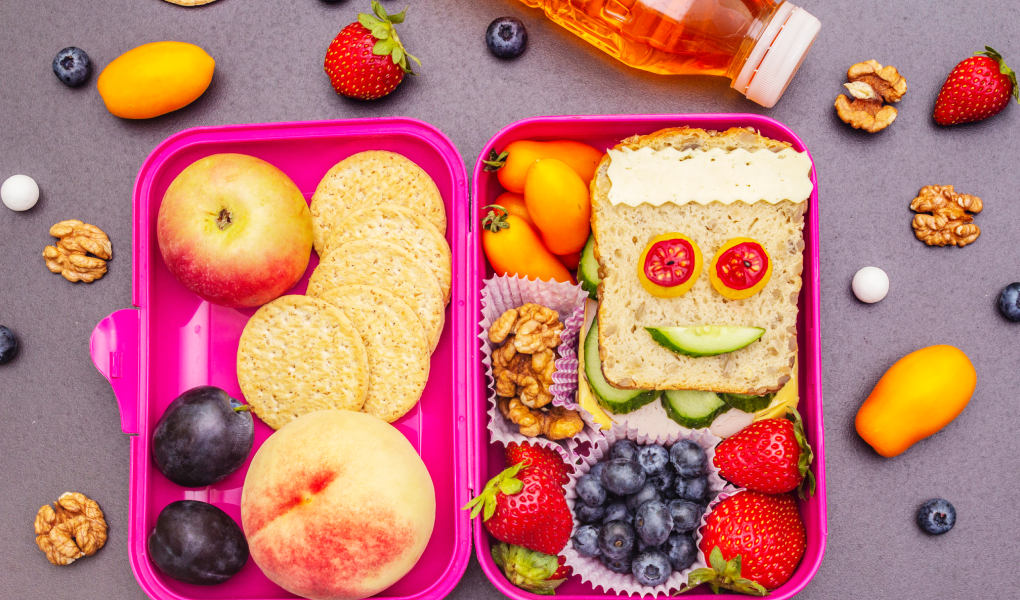
- How to Include: Berries, apples, pears, and dates in moderation.
8. Vegetables
- Why They Work: High in fiber and water content for fullness and hydration.
- How to Include: Spinach, cucumbers, tomatoes, bell peppers, or lightly sautéed with eggs or whole grains.
9. Hydrating Foods
- Why They Work: Help maintain fluid balance during fasting hours.
- Examples: Watermelon, cucumber, oranges, soups, herbal teas, and coconut water.
Sample Suhoor Meal Ideas for Energy
Option 1: Oatmeal Power Bowl
- Rolled oats cooked in milk
- Topped with almond butter, chia seeds, and sliced banana
- Side of water or coconut water
Benefits: High in fiber, protein, and slow-digesting carbs for sustained energy.
Option 2: Egg and Veggie Wrap
- Whole-grain tortilla filled with scrambled eggs, spinach, and bell peppers
- 1 boiled egg on the side
- Herbal tea or water
Benefits: Protein-packed, nutrient-dense, and filling.
Option 3: Greek Yogurt Parfait
- Greek yogurt layered with berries, flaxseeds, and chopped walnuts
- Served with a small piece of whole-grain toast
- Water or unsweetened almond milk
Benefits: Protein, healthy fats, and antioxidants for energy and hydration.
Option 4: Chickpea Salad
- Chickpeas with cucumber, cherry tomatoes, and olive oil
- Served with whole-grain bread
- Herbal tea or water
Benefits: Plant-based protein, fiber, and healthy fats keep you energized.
Option 5: Quinoa Breakfast Bowl
- Cooked quinoa topped with nuts, seeds, and low-sugar fruit
- Side of Greek yogurt or milk
- Hydrating beverage
Benefits: Balanced carbs, protein, and fiber for lasting energy.
Hydration Tips Alongside Suhoor
Proper hydration is essential for energy during fasting hours:
- Drink Water First – Have 1–2 glasses before eating.
- Include Hydrating Foods – Fruits, vegetables, and soups contribute to fluid intake.
- Limit Caffeine – Tea and coffee can increase fluid loss.
- Space Your Drinks – Spread water intake between iftar and suhoor to stay hydrated.
Tips for a Sustained Energy Suhoor
- Balance Protein, Carbs, and Fats – Ensures fullness and steady energy.
- Avoid Sugary Foods – Prevents energy crashes and excessive thirst.
- Prep Ahead – Overnight oats, boiled eggs, or salads save time and reduce morning stress.
- Focus on Fiber – Whole grains, fruits, and vegetables aid digestion and satiety.
Final Thoughts
Choosing the right foods for suhoor energy is key to a healthy, energized fasting day. By incorporating complex carbohydrates, protein-rich foods, healthy fats, and hydrating ingredients, you can maintain energy, focus, and fullness from dawn until iftar.
At Halal Edible, we encourage planning balanced, halal, and nutrient-dense suhoor meals. With these foods and practical tips, you can enjoy satisfying and energizing meals that support your fasting experience and overall health.