
At Halal Edible, we know that a great cup of coffee starts with the right beans. Whether you’re a casual coffee drinker or a devoted enthusiast, understanding the types of coffee beans, their flavors, and brewing methods can help you enjoy a richer, more satisfying coffee experience.
In this guide, we cover everything you need to know about coffee beans, from varieties and roasting methods to storage tips and halal considerations.
What Are Coffee Beans?
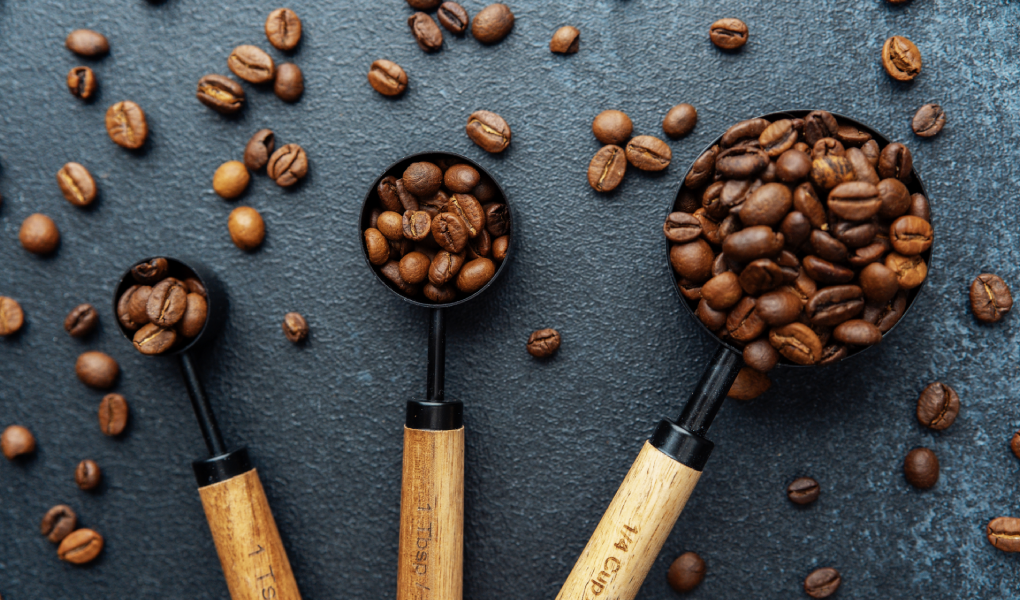
Coffee beans are the seeds of the Coffea plant, found inside the coffee cherry. Once harvested, the seeds are processed, dried, roasted, and ground to make the coffee we drink.
Coffee beans come in several varieties, each with unique flavors, aromas, and characteristics. The right choice depends on personal taste, brewing method, and dietary preferences.
Types of Coffee Beans
1. Arabica (Coffea Arabica)
- Flavor Profile: Smooth, mild, slightly sweet, with hints of chocolate or fruit.
- Caffeine Content: Lower than robusta (about 1.2–1.5% caffeine).
- Best For: Specialty coffee lovers seeking a subtle, nuanced cup.
- Notes: Arabica beans are the most popular globally, making up about 60–70% of the world’s coffee production.
2. Robusta (Coffea Canephora)
- Flavor Profile: Strong, bold, slightly bitter, earthy or nutty.
- Caffeine Content: Higher than arabica (about 2.2–2.7% caffeine).
- Best For: Espresso blends and those who enjoy a robust, intense flavor.
- Notes: Robusta beans are hardier, resistant to pests, and often used in instant coffee.
3. Liberica (Coffea Liberica)
- Flavor Profile: Smoky, floral, and fruity with a woody undertone.
- Caffeine Content: Moderate.
- Best For: Specialty coffee drinkers seeking rare and exotic flavors.
- Notes: Less common globally but prized in some regions for its unique taste.
4. Excelsa (Coffea Excelsa)
- Flavor Profile: Tart, fruity, and mysterious; adds complexity to blends.
- Caffeine Content: Moderate.
- Best For: Blending with other beans to enhance flavor depth.
- Notes: Often used in Southeast Asian coffee blends.
Roasting Levels and Their Impact
Roasting transforms green coffee beans into the aromatic brown beans we brew. The roasting level significantly affects flavor, aroma, and body.
1. Light Roast
- Appearance: Light brown, dry surface.
- Flavor Profile: Bright, acidic, fruity, and floral.
- Best For: Pour-over, drip coffee, and those who enjoy nuanced flavors.
2. Medium Roast
- Appearance: Medium brown, balanced acidity and body.
- Flavor Profile: Sweet, caramel-like, balanced, slightly nutty.
- Best For: Most brewing methods, versatile flavor.
3. Dark Roast
- Appearance: Dark brown, shiny, oily surface.
- Flavor Profile: Bold, smoky, chocolatey, low acidity.
- Best For: Espresso, French press, or those who enjoy strong, robust coffee.
Halal Considerations for Coffee Beans
Pure coffee beans are naturally halal. However, caution is needed when buying flavored or pre-packaged beans:
- Flavored Beans: Vanilla, caramel, or mocha flavorings may contain alcohol or haram extracts. Always check halal certification.
- Pre-Made Blends: Some espresso blends or specialty beans may include additives; look for halal logos.
- Processing Facilities: Choose beans processed in halal-certified facilities to avoid cross-contamination.
By choosing halal-certified coffee beans, you ensure your coffee experience aligns with your values without compromising taste or quality.
How to Choose the Right Coffee Beans
- Consider Your Flavor Preferences
Light roast for fruity, acidic notes.
Medium roast for balanced, sweet flavors.
Dark roast for bold, strong coffee. - Check the Origin
Coffee beans from Ethiopia, Colombia, Brazil, or Yemen have distinct flavor profiles. Single-origin beans often offer unique, nuanced flavors. - Look at Freshness
Freshly roasted beans are key to a great cup. Check the roast date and aim to use beans within 2–4 weeks of roasting for optimal flavor. - Decide Between Whole Beans or Ground
Whole Beans: Retain flavor longer; grind before brewing.
Pre-Ground Beans: Convenient but lose aroma faster. - Certifications
Look for halal, organic, or fair-trade certifications for quality assurance.
Storing Coffee Beans Properly
Proper storage maintains freshness, flavor, and aroma:
- Keep Beans in an Airtight Container: Protect from moisture, air, and odors.
- Store in a Cool, Dark Place: Avoid heat, sunlight, and strong-smelling areas.
- Grind Before Brewing: Only grind beans as needed to preserve flavor.
- Avoid Refrigeration: Unless in vacuum-sealed packs, as moisture can spoil the beans.
Brewing Methods for Coffee Beans
Different brewing methods highlight different flavors in coffee beans:
1. Drip Coffee / Pour-Over
- Best for light to medium roast beans.
- Brings out delicate flavors and aromas.
2. French Press
- Ideal for medium to dark roast.
- Produces rich, full-bodied coffee with natural oils.
3. Espresso Machine
- Works best with dark roast beans.
- Produces strong, concentrated coffee.
4. Cold Brew
- Coarse ground beans steeped in cold water for 12–24 hours.
- Smooth, less acidic, and refreshing.
Tips for the Perfect Cup of Coffee
- Use freshly roasted, halal-certified beans.
- Grind beans just before brewing.
- Measure water and coffee accurately for consistent flavor.
- Experiment with brewing temperature (around 90–96°C) and steeping time.
- Add natural spices like cinnamon or cardamom for flavor without sugar.
Final Thoughts
Coffee beans are the heart of every cup, and understanding their types, roasting, and brewing methods can elevate your coffee experience. By choosing halal-certified coffee beans, you enjoy peace of mind along with rich flavors and aromas.
At Halal Edible, we encourage you to explore different beans, roast levels, and brewing techniques. Whether you prefer a light, fruity Ethiopian Arabica or a bold, dark-roast Robusta, there’s a perfect halal coffee bean for every palate.
Enjoy the process of discovering flavors, aromas, and brewing styles, and make each cup of halal coffee a mindful, flavorful experience.