
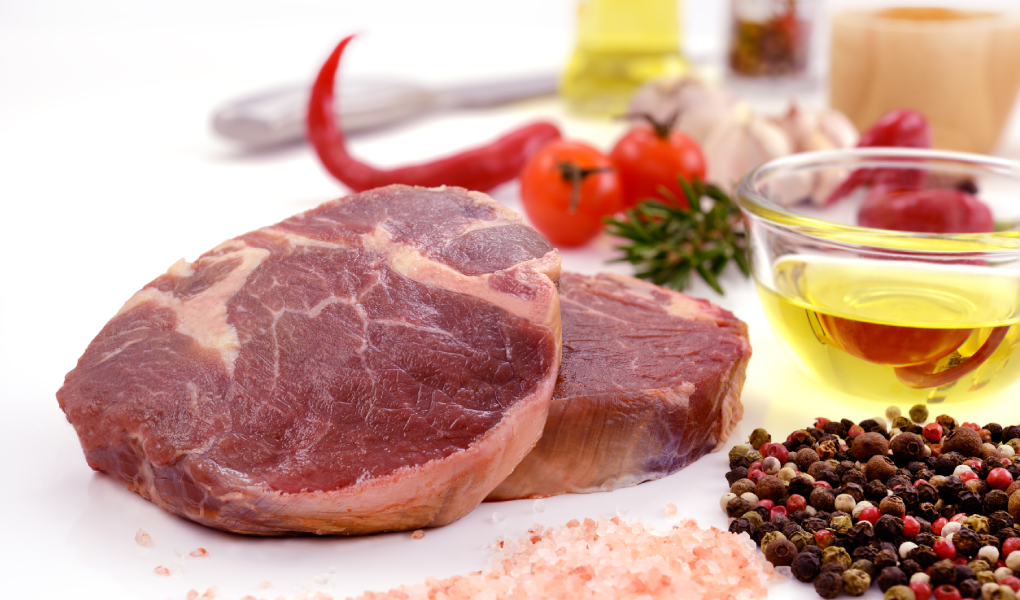
Meat is a staple in many diets around the world, providing essential nutrients like protein, vitamins, and minerals. However, fresh meat is highly perishable. To ensure safety, freshness, and a longer shelf life, manufacturers often use preservatives.
For halal consumers, understanding preservatives in meat products is especially important. Some preservatives may include non-halal ingredients or additives that are not permissible in Islamic dietary laws.
At Halal Edible, we aim to guide you through the different types of preservatives used in meat products, their purposes, potential health impacts, and tips for choosing safe and halal options.
Why Meat Needs Preservatives
Fresh meat is vulnerable to spoilage due to:
- Bacterial growth – Raw meat can quickly develop harmful bacteria like Salmonella and E. coli.
- Oxidation – Fat in meat can oxidize, causing rancidity and off-flavors.
- Moisture loss – Meat can dry out and lose texture over time.
Preservatives are added to extend shelf life, maintain flavor and texture, and prevent foodborne illnesses. Without these additives, meat would spoil rapidly, leading to waste and health risks.
Common Preservatives Used in Meat Products
Several types of preservatives are commonly used in processed and packaged meat products. These include:
1. Nitrites and Nitrates
Sodium nitrite and sodium nitrate are widely used in cured meats like sausages, bacon, ham, and deli meats.
- Purpose:
- Prevent bacterial growth, particularly Clostridium botulinum (causes botulism)
- Preserve color and flavor of meat
- Health Note:
Nitrites can form nitrosamines when meat is cooked at high temperatures, which are linked to cancer risk in some studies. Choosing products with regulated levels or natural nitrite alternatives is recommended.
2. Salt (Sodium Chloride)
Salt is one of the oldest natural preservatives.
- Purpose:
- Reduces moisture in meat, slowing bacterial growth
- Enhances flavor
- Helps in curing and brining
- Clean Label Benefit: Salt is a simple, natural ingredient that is generally recognized as safe and halal-friendly.
3. Ascorbic Acid (Vitamin C) and Its Derivatives
Ascorbic acid is a common antioxidant used in meat products.
- Purpose:
- Prevents oxidation of fats in meat
- Maintains color stability
- Improves shelf life without altering taste
- Natural Sources: Citrus extracts and plant-derived vitamin C can be used as halal-friendly alternatives.
4. Sodium Erythorbate
Sodium erythorbate is an antioxidant often used in processed meats.
- Purpose:
- Helps retain meat color
- Reduces formation of harmful nitrosamines when combined with nitrites
It is generally considered safe when used within regulatory limits.
5. Organic Acids
Some meat products use organic acids like lactic acid, citric acid, and acetic acid.
- Purpose:
- Lower pH to inhibit bacterial growth
- Enhance flavor
- Extend freshness
These acids are often derived from natural sources and align with clean label trends.
6. Plant Extracts
Certain natural plant extracts can act as preservatives.
- Examples: Rosemary extract, green tea extract, and thyme oil
- Purpose:
- Serve as antioxidants
- Prevent spoilage
- Maintain flavor naturally
Plant-based preservatives are appealing for halal and health-conscious consumers.
Halal Considerations for Meat Preservatives
When selecting meat products, halal consumers should be aware of potential concerns:
Non-Halal Additives
Some preservatives may contain animal-derived components or alcohol-based solvents, which are not permissible in halal diets.
- Example: Gelatin capsules or animal-derived enzymes in processed meats
Certification Is Key
Look for halal certification to ensure that:
- The meat comes from animals slaughtered according to Islamic law
- All preservatives and additives used are halal-approved
- Cross-contamination with non-halal products is avoided
Natural Alternatives Are Safer
Plant-based or mineral-derived preservatives are usually safer for halal compliance.
Health Considerations of Meat Preservatives
While preservatives improve safety and shelf life, excessive consumption of processed meats may raise health concerns:
Nitrites and Nitrates
- Linked to formation of nitrosamines, which may increase cancer risk in high consumption.
- Limiting processed meat intake and choosing natural nitrite options is recommended.
High Sodium Levels
- Salt-preserved meats can contribute to high blood pressure if consumed excessively.
- Moderation and choosing lower-sodium options are important.
Artificial Additives
- Some synthetic preservatives may cause sensitivity in certain individuals.
- Choosing products with natural or clean-label preservatives reduces potential risks.
Tips for Choosing Safe and Halal Meat Products
When buying meat, especially processed products, consider these tips:
- Check Halal Certification: Ensure the product is certified by a recognized halal authority.
- Read Ingredient Labels: Look for natural preservatives like salt, vinegar, citrus extracts, or rosemary.
- Avoid Excessive Chemicals: Minimize consumption of meats with long lists of chemical preservatives.
- Prefer Fresh or Minimally Processed Meat: Fresh halal meat is usually free from added preservatives.
- Buy Trusted Brands: Established halal brands often follow strict quality control for preservatives and processing.
Popular Halal Brands Using Safe Meat Preservatives
Several halal meat brands focus on quality, halal compliance, and safe preservative use:
- Crescent Foods: Offers halal-certified fresh and processed meat with minimal additives.
- Midamar Halal: Known for quality and adherence to halal standards in processed meats.
- Zabiha Halal: Provides a wide range of halal meats including fresh, frozen, and deli products.
- Saffron Road: Focuses on ethical sourcing, natural preservatives, and halal compliance.
These brands often use halal-approved preservatives and follow strict safety regulations.
The Future of Meat Preservation
With growing demand for healthier and halal-friendly meat, manufacturers are exploring natural alternatives to traditional preservatives:
- Plant-based antioxidants like rosemary and green tea
- Fermentation-based preservation methods
- Improved packaging technologies to reduce the need for chemical additives
These trends are likely to make meat products safer, cleaner, and more aligned with halal dietary standards.
Final Thoughts
Preservatives play a crucial role in maintaining the safety, freshness, and quality of meat products. From traditional additives like salt and nitrites to natural antioxidants and plant extracts, these ingredients ensure meat can reach consumers safely.
For halal-conscious consumers, understanding preservatives is essential. Halal certification, natural preservative sources, and trusted brands provide peace of mind while enjoying meat products.
At Halal Edible, we encourage readers to read labels carefully, choose halal-certified products, and prioritize natural preservatives whenever possible. By doing so, you can enjoy safe, flavorful, and halal-friendly meat without compromising on health or quality.