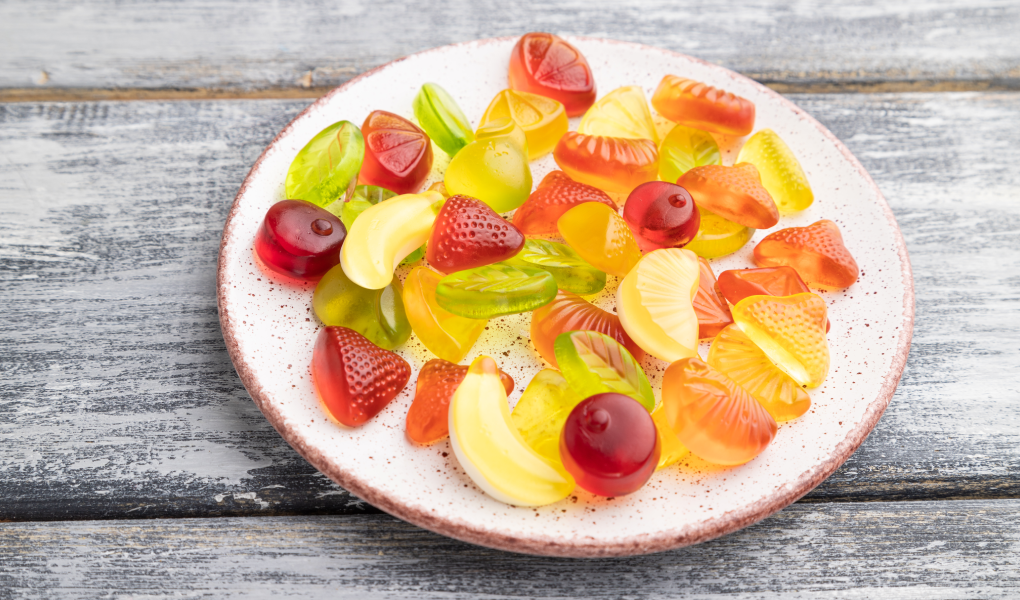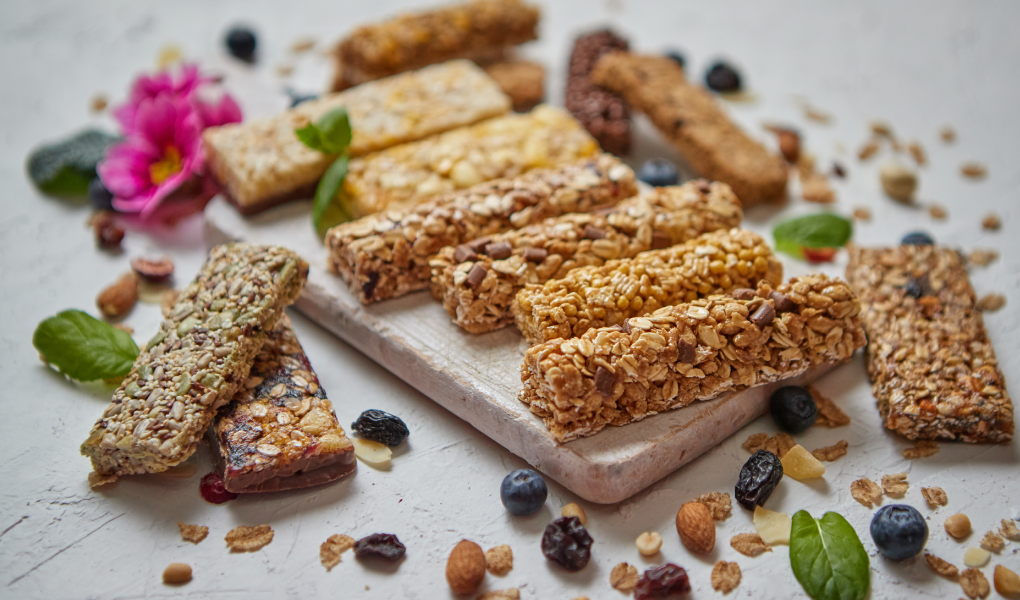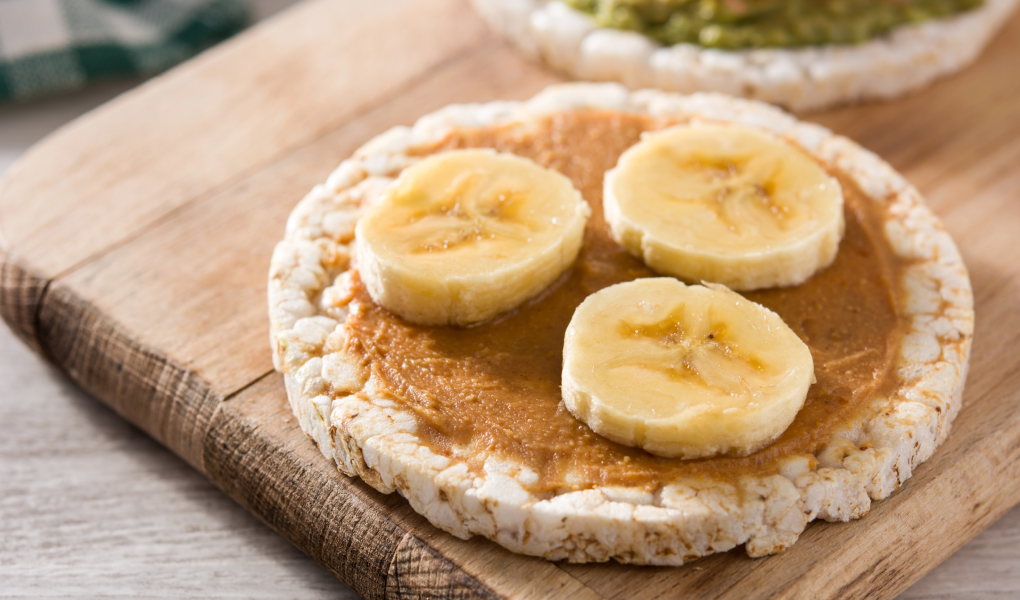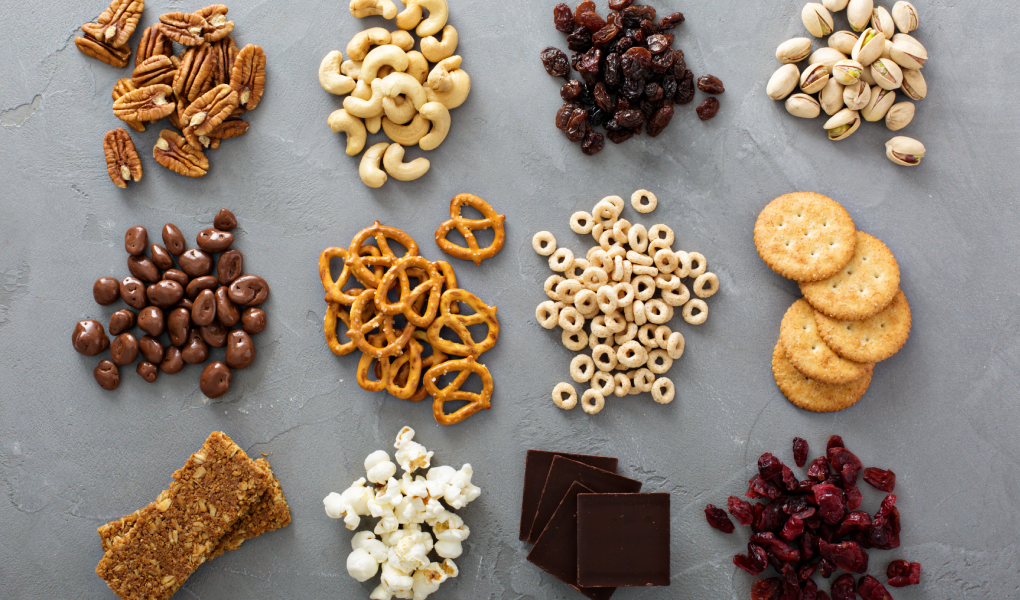

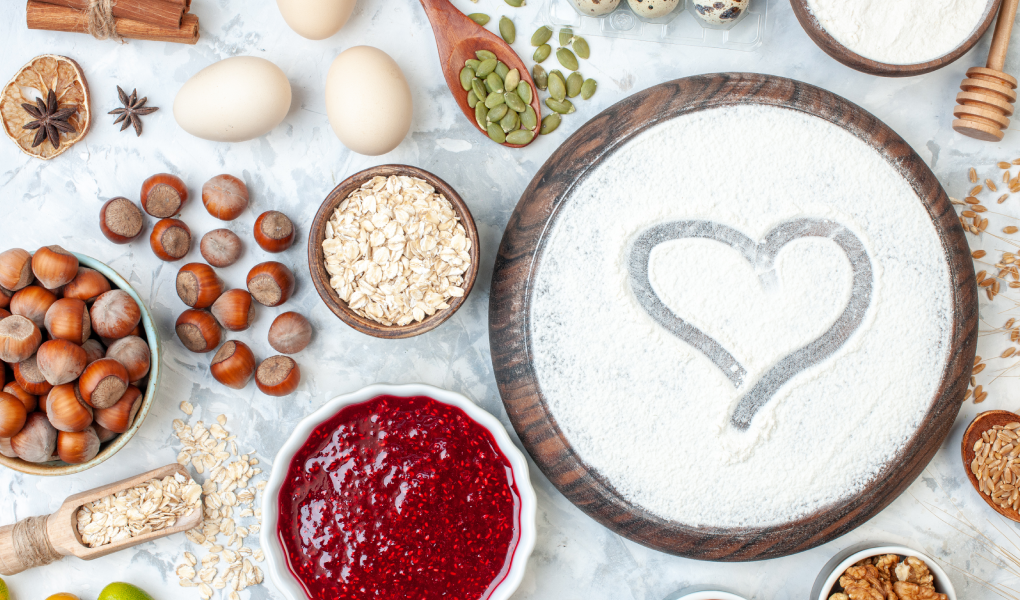
Baking is one of the most enjoyable ways to prepare delicious treats for family and friends. From cookies and cakes to muffins and pastries, flavorings play a major role in creating the rich taste and aroma that make baked goods irresistible. However, for Muslim consumers and halal-conscious bakers, it is important to ensure that the ingredients used in baking are halal and permissible.
Many baking flavors available in stores may contain alcohol, animal-derived ingredients, or unclear additives, which makes it essential to understand which options are halal-friendly. In this guide from Halal Edible, we explore what halal baking flavors are, common examples, how they are made, and how you can safely use them in your baking.
What Are Baking Flavors?
Baking flavors are concentrated ingredients used to enhance the taste and aroma of baked goods. They are usually added in small quantities but have a strong impact on the final flavor profile of cakes, cookies, breads, and desserts.
Common baking flavors include:
- Vanilla
- Chocolate or cocoa
- Fruit flavors
- Nut flavors
- Spices such as cinnamon or cardamom
These flavors can come in the form of extracts, oils, powders, syrups, or emulsions.
Why Halal Baking Flavors Matter
For Muslim consumers, food must follow halal dietary guidelines. While baking flavors may seem harmless, some products can contain ingredients that are not halal.
Possible concerns include:
- Alcohol-based extracts used as solvents
- Animal-derived ingredients that are not halal-certified
- Gelatin or emulsifiers from non-halal sources
- Cross-contamination in manufacturing facilities
Choosing halal-friendly flavors ensures that your baked goods are permissible, ethical, and suitable for Muslim families.
Common Halal-Friendly Baking Flavors
Fortunately, many baking flavors are naturally halal when sourced correctly. Here are some popular options used in halal baking.
1. Vanilla Flavor
Vanilla is one of the most widely used flavors in baking. It adds warmth and sweetness to cakes, cookies, custards, and pastries.
However, some vanilla extracts contain alcohol as a solvent, so halal bakers should look for:
- Alcohol-free vanilla extract
- Halal-certified vanilla flavoring
- Vanilla powder made from ground vanilla beans
These options provide the same delicious taste while remaining halal-compliant.
2. Cocoa and Chocolate
Chocolate flavors are essential in brownies, cakes, and desserts.
Halal-friendly chocolate flavors include:
- Cocoa powder
- Halal-certified chocolate chips
- Dark chocolate without alcohol-based additives
- Chocolate flavor extracts from plant sources
Always check labels to ensure the chocolate products do not contain alcohol, non-halal emulsifiers, or questionable additives.
3. Fruit Flavors
Fruit-based flavors are popular in muffins, cakes, pastries, and candies. Common halal-friendly fruit flavors include:
- Strawberry
- Lemon
- Orange
- Mango
- Raspberry
- Banana
These flavors can come from natural extracts, fruit purees, or halal-certified flavor compounds.
Fruit zest and fresh fruit juices are also excellent natural alternatives for baking.
4. Nut Flavors
Nut flavors add richness and depth to baked goods. Popular options include:
- Almond flavor
- Hazelnut flavor
- Pistachio flavor
- Coconut flavor
Some nut extracts may use alcohol as a base, so it is important to choose alcohol-free or halal-certified versions.
5. Spice-Based Flavors
Spices are naturally halal and commonly used in baking across many cultures. Examples include:
- Cinnamon
- Cardamom
- Nutmeg
- Ginger
- Cloves
These spices add warmth, aroma, and complexity to cakes, breads, and cookies.
For example, cinnamon and cardamom are commonly used in Middle Eastern and South Asian desserts.
Natural vs Artificial Baking Flavors
Halal baking flavors can come from different sources. Understanding these helps bakers choose the best options.
Natural Flavors
Natural flavors are derived directly from plants, fruits, herbs, or spices.
Examples include:
- Vanilla bean extract
- Citrus oils
- Fruit concentrates
Natural flavors are often preferred because they are less processed and closer to their original source.
Synthetic or Artificial Flavors
Artificial flavors are produced in laboratories to mimic natural tastes.
Examples include:
- Synthetic vanilla (vanillin)
- Artificial strawberry flavor
- Artificial banana flavor
These flavors can still be halal if they do not contain alcohol or haram ingredients.
Many halal-certified food companies use synthetic flavors because they are stable, consistent, and affordable.
How Halal Baking Flavors Are Made
Flavoring ingredients can be produced through several processes.
Extraction
Natural flavor compounds are extracted from fruits, spices, or plants using methods such as:
- Steam distillation
- Cold pressing
- Solvent extraction
For halal compliance, the solvent used must be halal or removed during processing.
Fermentation
Some flavors are produced through fermentation using microorganisms.
This process can create flavor compounds similar to natural ingredients while maintaining halal status if no haram substances are involved.
Chemical Synthesis
Synthetic flavors are created by combining safe food-grade chemicals that replicate natural flavor molecules.
These flavors are often used in commercial baking products because they are stable and affordable.
Tips for Choosing Halal Baking Flavors
Here are some helpful tips for ensuring your baking ingredients remain halal.
1. Check Halal Certification
Always look for halal certification from trusted organizations. This ensures that both the ingredients and manufacturing process meet halal standards.
2. Read Ingredient Labels
Check labels carefully for ingredients such as:
- Alcohol
- Gelatin
- Animal-derived additives
- Unknown emulsifiers
If the source is unclear, it is safer to choose another product.
3. Choose Alcohol-Free Extracts
Many brands offer alcohol-free versions of vanilla, almond, and other extracts, which are ideal for halal baking.
4. Use Natural Ingredients
Fresh ingredients can often replace artificial flavors.
Examples include:
- Lemon zest instead of lemon flavoring
- Orange juice instead of artificial orange flavor
- Fresh fruit puree for natural sweetness
5. Buy From Trusted Halal Brands
Halal-certified baking brands ensure their flavors are free from haram ingredients and contamination.
Buying from trusted suppliers provides peace of mind.
Homemade Halal Flavor Ideas
One of the best ways to guarantee halal compliance is to create your own flavorings at home.
Here are a few simple ideas:
- Vanilla sugar: Mix sugar with vanilla beans
- Citrus zest: Use lemon or orange zest in cakes and muffins
- Fruit puree: Blend strawberries or mango for natural flavor
- Spice blends: Combine cinnamon, nutmeg, and cardamom for warm dessert flavors
These homemade options are natural, halal, and often healthier than processed flavorings.
Benefits of Using Halal-Friendly Baking Flavors
Using halal-certified flavors offers several advantages:
- Ensures food is permissible for Muslim consumers
- Provides peace of mind about ingredient sources
- Supports ethical and clean food production
- Encourages healthier baking choices
Most importantly, halal baking allows families to enjoy desserts and treats without compromising their religious values.
Final Thoughts
Baking flavors are essential for creating delicious cakes, cookies, and desserts, but halal-conscious bakers must ensure that their ingredients follow Islamic dietary guidelines. By choosing halal-certified flavors, alcohol-free extracts, and natural ingredients, you can create baked goods that are both tasty and permissible.
Key points to remember:
- Always check halal certification and ingredient labels
- Avoid extracts containing alcohol or animal-derived additives
- Use natural ingredients like fruits, spices, and citrus zest
- Choose trusted halal brands whenever possible
With the right ingredients and knowledge, halal baking becomes an enjoyable and rewarding experience for families everywhere.