
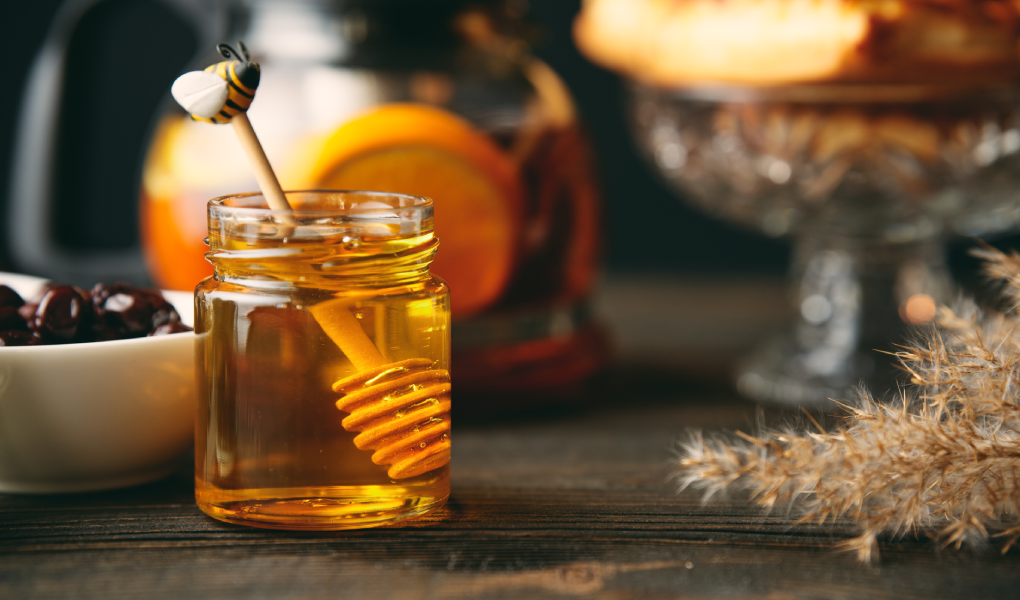
Honey is one of the most natural and widely loved sweeteners in the world. Known for its rich flavor, nutritional benefits, and medicinal uses, honey has been valued by many cultures for thousands of years. For Muslims, honey holds a special place because it is mentioned positively in Islamic teachings and is often associated with healing and purity.
However, in today’s complex food industry, many consumers ask an important question: Is honey always halal? While honey is generally considered halal, certain factors related to processing, additives, and production methods can sometimes raise concerns.
In this article from Halal Edible, we will explore the halal status of honey, how it is produced, possible concerns in modern food processing, and how consumers can ensure the honey they buy is halal and high quality.
What Is Honey?
Honey is a natural sweet substance produced by bees from the nectar of flowers. Bees collect nectar from plants, store it in their honey stomachs, and then transform it through natural enzymes before depositing it into honeycombs inside the hive.
The honey is then stored and thickened as water evaporates, creating the golden syrup that people enjoy as a food ingredient and natural remedy.
Pure honey contains:
- Natural sugars (mainly fructose and glucose)
- Small amounts of vitamins and minerals
- Antioxidants
- Natural enzymes
Because honey is produced naturally by bees without human intervention in its basic formation, it is widely regarded as a pure and natural food.
Honey in Islamic Teachings
Honey holds a special place in Islamic tradition. It is often recognized for its healing properties and is considered a blessing in many cultures.
In Islamic teachings, honey is mentioned as a beneficial and wholesome food. Many Muslims view honey as a natural gift that provides nourishment and healing.
Because of this strong religious association, honey is commonly assumed to be halal. In most cases, this assumption is correct, but modern food processing sometimes introduces factors that require attention.
Why Honey Is Generally Considered Halal
The majority of scholars agree that honey is halal by nature. Several reasons support this view.
Natural Origin
Honey comes directly from bees collecting nectar from plants. Since plants are halal and bees are permissible insects, the resulting honey is naturally halal.
No Animal Slaughter Involved
Unlike meat products, honey does not involve animal slaughter or the processing of animal flesh.
Minimal Processing
Traditional honey production usually involves simple steps such as:
- Collecting honeycomb
- Extracting honey
- Filtering it to remove wax or debris
- Packaging the honey
In its pure form, honey remains halal and permissible.
Types of Honey Available in the Market
Honey sold in stores can vary widely in quality and processing methods. Understanding these types helps consumers make informed choices.
Raw Honey
Raw honey is the least processed type of honey. It is usually filtered lightly to remove natural particles like wax or pollen.
Characteristics of raw honey include:
- Thick texture
- Strong natural flavor
- Natural pollen and enzymes
Raw honey is generally considered the most natural and halal-friendly option.
Pure Honey
Pure honey is honey that has been filtered and sometimes gently heated to improve its appearance and shelf life.
It still contains only honey but may lose some of its natural enzymes during processing.
Processed or Commercial Honey
Many commercial honey products undergo additional processing steps such as:
- Ultra-filtration
- Pasteurization
- Blending with other honey sources
Some manufacturers may also add ingredients like sweeteners or flavorings, which can raise halal concerns.
Potential Halal Concerns With Honey
Although honey itself is halal, certain modern processing practices can create questions about its status.
Added Ingredients
Some honey products contain additional ingredients, such as:
- Corn syrup
- Glucose syrup
- Artificial flavors
- Preservatives
If these additives are derived from non-halal sources, the final product may no longer be fully halal.
Flavor-Infused Honey
Flavored honey products are becoming increasingly popular. These may include ingredients like:
- Vanilla extract
- Fruit extracts
- Chocolate flavorings
If alcohol-based extracts are used during flavoring, some halal consumers may prefer to avoid these products.
Cross-Contamination in Processing
In large food manufacturing facilities, honey may be processed on equipment that also handles non-halal ingredients.
While this does not always make the product non-halal, some consumers prefer to choose products that are certified halal to avoid uncertainty.
Honey Blends
Some commercial honey products are blends of honey and other sweeteners. If the label includes terms such as:
- Honey blend
- Honey syrup
- Honey-flavored syrup
the product may contain added sugars or syrups that are not pure honey.
These products may not provide the same natural quality and could raise halal concerns depending on the ingredients.
The Issue of Adulterated Honey
Another concern in the global honey market is adulteration. Some producers mix honey with cheaper sweeteners to increase profit.
Common adulterants include:
- High-fructose corn syrup
- Rice syrup
- Cane sugar syrup
While these ingredients may still be halal, the product is no longer pure honey and may mislead consumers.
Buying honey from trusted and reputable brands helps avoid this problem.
Benefits of Honey
Honey is valued not only for its sweetness but also for its health benefits.
Natural Energy Source
Honey provides quick energy due to its natural sugars. It is often used by athletes and people looking for a natural alternative to refined sugar.
Rich in Antioxidants
Honey contains antioxidants that may help protect the body from oxidative stress.
Darker honey varieties usually contain higher antioxidant levels.
Supports Digestive Health
Honey may support digestive health and is sometimes used as a natural remedy for stomach discomfort.
Soothes Sore Throats
Many people use honey as a natural remedy for coughs and sore throats.
It can help coat the throat and provide temporary relief.
How to Choose Halal Honey
For halal-conscious consumers, selecting the right honey product is important. Here are some helpful tips.
Look for Halal Certification
Halal-certified honey products provide assurance that the product meets Islamic dietary guidelines.
Check the Ingredient List
Pure honey should ideally have only one ingredient listed: honey.
Avoid products that contain additional syrups or artificial ingredients.
Choose Raw or Organic Honey
Raw and organic honey varieties usually undergo minimal processing and are less likely to contain additives.
Buy From Trusted Brands
Reputable honey producers are more transparent about their sourcing and production methods.
Local beekeepers and certified brands often provide higher-quality honey.
Popular Uses of Honey in Food
Honey is widely used in cooking and food preparation.
Common uses include:
- Sweetening tea and beverages
- Baking cakes and cookies
- Making salad dressings
- Glazing meats and vegetables
- Preparing desserts and sauces
Its unique flavor and natural sweetness make it a versatile ingredient in many cuisines.
Final Thoughts
Honey is one of the most natural and beneficial foods available, and in most cases, it is completely halal. Since it is produced naturally by bees from flower nectar, its basic form aligns with halal dietary principles.
However, modern food processing and commercial products sometimes introduce additives, flavorings, or blending that may raise concerns for halal consumers. Checking ingredient labels, choosing pure honey, and selecting halal-certified brands can help ensure that the honey you consume meets your dietary values.
Key points to remember:
- Honey is naturally halal and widely accepted by scholars.
- Pure honey contains only nectar processed by bees.
- Some commercial honey products may include additives or sweeteners.
- Raw and organic honey are often the safest choices.
- Halal certification provides additional assurance.
By understanding how honey is produced and processed, consumers can confidently enjoy this natural sweetener while maintaining halal dietary practices.