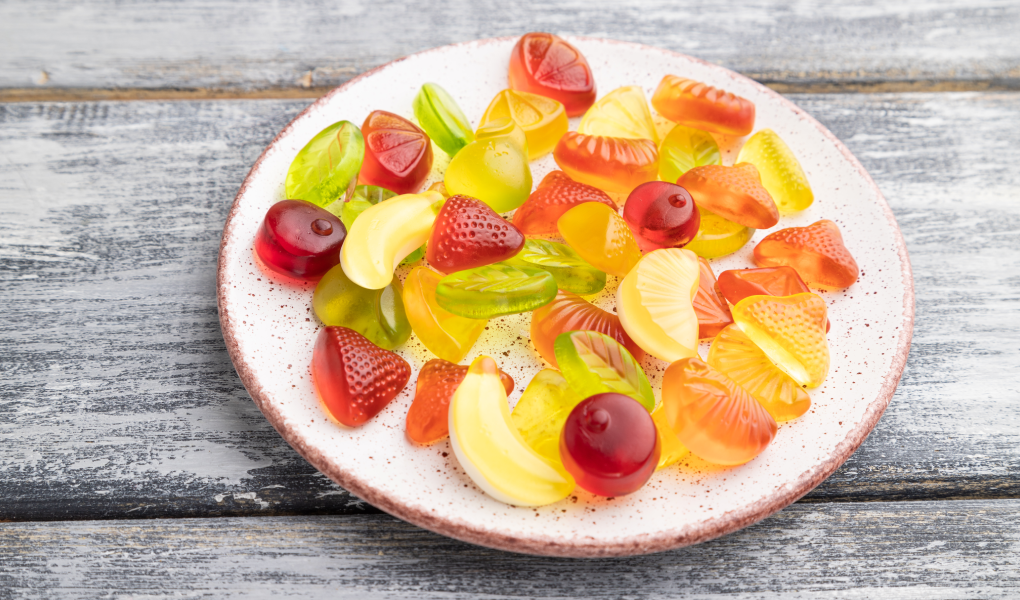


Gummies have become a popular snack for children and adults alike, offering chewy textures, bright colors, and fun flavors. However, for Muslims following a halal and tayyib diet, not all gummies are safe to consume. The key difference lies in ingredients such as gelatin, flavorings, and colorings, which can determine whether a gummy is halal or haram.
At Halal Edible, we explore the differences between halal gummies and regular gummies, explain what to look for on labels, and provide tips for enjoying this sweet treat without compromising faith.
What Makes a Gummy?
Gummies are chewy candies made from a combination of:
- Gelatin: Provides the chewy texture.
- Sweeteners: Sugar, glucose syrup, or natural sweeteners.
- Flavorings: Natural or artificial flavors for fruit or candy taste.
- Colorings: Natural or artificial colors to make gummies visually appealing.
- Acids & Stabilizers: Citric acid, malic acid, and pectin for tartness and structure.
Key Note: The main halal concern in gummies is the source of gelatin, which is often animal-derived.
Regular Gummies: What’s in Them?
Regular gummies, especially commercial brands, often contain:
- Gelatin:
- Usually from pork or non-zabiha beef.
- Provides elasticity and chewiness.
- Harms halal compliance if sourced from forbidden animals.
- Artificial Flavorings & Colors:
- May contain alcohol-based solvents.
- Could be derived from haram sources like non-halal animals.
- Sugar & Additives:
- High sugar content, artificial sweeteners, or E-numbers may be present.
- Some stabilizers like mono- and diglycerides (E471) could be animal-derived.
Implication: While regular gummies are delicious, they cannot be consumed by Muslims if ingredients are non-halal or contain alcohol.
Halal Gummies: How They Are Different
Halal gummies are specially formulated to ensure all ingredients and processing methods comply with Islamic dietary laws. Key features include:
- Halal Gelatin or Alternatives:
- Plant-Based Gelatin (Agar-Agar, Pectin, Carrageenan): Chewy texture without animal-derived ingredients.
- Fish Gelatin: Acceptable if sourced properly and halal-certified.
- Zabiha Gelatin: Derived from animals slaughtered according to Islamic law.
- Halal Flavorings:
- No alcohol-based flavor extracts.
- Natural fruit flavors, vanilla, or plant-based extracts used instead.
- Halal Colorings:
- Avoids carmine (cochineal insect extract) unless certified halal.
- Uses natural fruit, vegetable, or synthetic halal-approved colorings.
- Halal Processing:
- Manufactured in facilities free from contamination with haram products.
- Prevents cross-contamination with pork, alcohol, or non-halal gelatin.
Ingredients Comparison: Halal Gummies vs Regular Gummies
| Ingredient | Regular Gummies | Halal Gummies |
|---|---|---|
| Gelatin | Pork or non-zabiha beef | Plant-based, fish-based, or zabiha gelatin |
| Flavorings | Alcohol-based or synthetic | Natural, alcohol-free, halal-certified |
| Colorings | Carmine or synthetic | Fruit, vegetable, or halal-approved synthetic |
| Sweeteners | Sugar or high-fructose corn syrup | Sugar, honey, or halal-approved sweeteners |
| Processing | No specific halal guidelines | Halal-certified facility, no cross-contamination |
How to Identify Halal Gummies
- Look for Halal Certification:
- Trusted halal logos from recognized authorities are the easiest way to verify.
- Check the Ingredient List:
- Avoid pork gelatin, L-cysteine (if animal-derived), and alcohol-based flavorings.
- Prefer agar-agar, pectin, or plant-based gelling agents.
- Avoid Ambiguous Terms:
- “Natural flavors” or “flavoring” may hide alcohol or haram derivatives.
- “Gelatin” alone does not indicate the source; always verify.
- Choose Reputable Brands:
- Established halal brands provide transparency about ingredients.
- Educate Yourself on Additives:
- Learn common E-numbers associated with gelatin or animal-based emulsifiers.
Why Halal Gummies Matter
- Spiritual Compliance: Upholds halal dietary laws and ensures peace of mind.
- Health and Hygiene: Halal-certified products are often produced with higher hygiene standards.
- Tayyib Lifestyle: Promotes the consumption of wholesome, ethical, and permissible ingredients.
- Family and Community Safety: Ensures children and guests consume halal treats.
Tips for Enjoying Gummies the Halal Way
- Opt for Plant-Based Gummies: Agar-agar, pectin, or carrageenan-based gummies are safe and delicious.
- Read Labels Carefully: Look for gelatin sources, flavoring agents, and colorings.
- Check Halal Logos: Trust certifications from recognized halal authorities.
- Homemade Gummies: Use fruit juice, agar-agar, and natural sweeteners to make your own halal-friendly gummy candies.
- Avoid Imported Gummies with Ambiguous Ingredients: Some imported candies may use pork gelatin or alcohol-based flavorings.
Homemade Halal Gummy Recipe (Optional Tip)
Ingredients:
- 1 cup fruit juice (orange, apple, or mixed berries)
- 2–3 tablespoons agar-agar powder
- 2 tablespoons sugar or honey (halal)
- 1 teaspoon lemon juice
Instructions:
- Heat fruit juice in a saucepan.
- Gradually whisk in agar-agar powder and sugar.
- Bring to a boil and simmer for 5 minutes.
- Add lemon juice and pour mixture into molds.
- Chill until set and enjoy halal gummies!
Benefit: Full control over ingredients ensures your gummies are 100% halal and tayyib.
Conclusion
Regular gummies are popular treats, but they often contain pork gelatin, alcohol-based flavorings, and non-halal additives, making them unsuitable for Muslims. In contrast, halal gummies use permissible gelatin, flavorings, and colorings, ensuring faithful adherence to Islamic dietary laws.
At Halal Edible, we recommend:
- Always checking labels and ingredient sources.
- Choosing halal-certified or plant-based gummies.
- Exploring homemade options for complete control over ingredients.
- Educating yourself about additives, gelatin types, and flavoring sources.
By making informed choices, Muslims can enjoy chewy, colorful, and flavorful gummies while staying true to halal and tayyib principles.